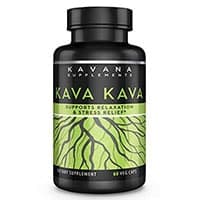
What kava supplements are (and why “relaxation” is not the same as “safe”)
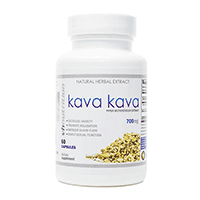
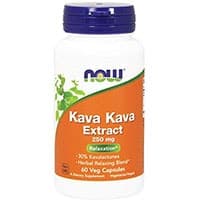
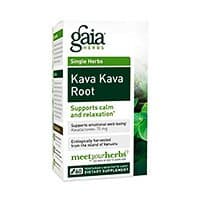
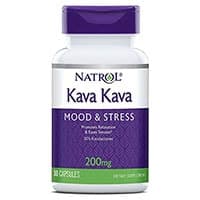
Kava (Piper methysticum) is a Pacific traditional beverage and modern capsule/tincture category sold for stress, social ease, and sleep support. The active family people discuss most is kavalactones, and reputable products often standardize to a total kavalactone percentage or list specific lactones on certificates of analysis—even when retail marketing prefers vague “calm” language.
Kava is also one of the botanicals where historical safety debates actually matter: hepatotoxicity signals have appeared in the medical literature and regulatory discussions, quality and cultivar choices vary globally, and combining kava with alcohol, sedatives, or other liver stressors is a bad risk stack. This guide is educational, not medical advice. If you have liver disease, drink heavily, take hepatotoxic drugs, are pregnant or breastfeeding, or operate vehicles after dosing, kava is not a casual self-experiment category.
How to use this guide
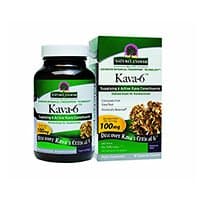
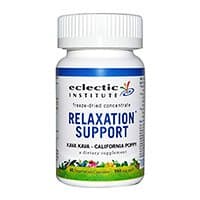
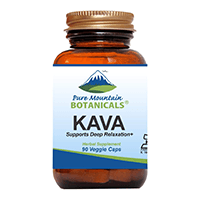
The shortlist favors brands that disclose extract type and kavalactone thinking transparently, use credible manufacturing and contaminant testing language, and avoid the supplement aisle’s worst habit: selling a pharmacologically active product like it is chamomile tea with better vibes.
If you are comparing other herbal “wind down” options, valerian root is a frequent shelf neighbor with different evidence and a different side-effect fingerprint—useful context before you assume all “herbal sleep” products behave the same. Passionflower is another traditional calming botanical where tolerance and sedation vary; reading that category helps you calibrate expectations away from influencer certainty. If your stress shopping is more daytime adaptogen than evening sedation, ashwagandha is a parallel lane with its own thyroid and medication interaction conversations—still not “just vitamins,” but a different pharmacologic posture than kava for many people.
What to look for in a kava product
Kavalactone disclosure and standardization
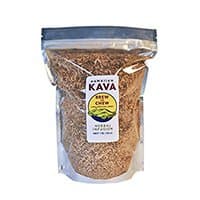
Prefer labels that state what the extract is and how potency is controlled. Mystery “kava root powder” without clear quality documentation is a gamble on both strength and contaminants.
Cultivar and sourcing seriousness
Traditional use and modern export markets differ; supply-chain seriousness matters more for kava than for many categories because raw material quality is not uniform worldwide.
Delivery form: instant powder, micronized, tincture, capsule
Each format changes onset, stomach load, and taste burden. Capsules are convenient; traditional preparations are not interchangeable with random concentrates without understanding what you bought.
Excipients and stacking
Many “calm blends” stack kava with other sedating ingredients. Read the full panel, not the front label slogan, before you double-dip into CNS depression.
Who kava may be appropriate for (and who should avoid it)
Potentially reasonable only when
- You are an informed adult without contraindications, using conservative doses, and not mixing with alcohol or sedatives.
- You can tolerate GI effects (nausea, stomach heaviness) and you stop if symptoms escalate.
- You treat driving and machinery as hard rules, not suggestions.
High-risk situations—treat as stop signals, not “maybe later”
- Liver disease, elevated liver enzymes of unknown cause, or concurrent hepatotoxic medications.
- Pregnancy, breastfeeding, and pediatric use—default to clinician guidance, not forum lore.
- Benzodiazepines, Z-drugs, opioids, gabapentinoids, or other sedatives—additive impairment is real.
- Heavy acetaminophen use or other competing liver burdens—pharmacist review matters.
Evidence and expectations: what kava might do in real life
Some human trials and traditional-use histories support subjective relaxation endpoints for certain preparations, but retail kava often sells a cleaner causal story than the evidence supports. A grounded expectation is short, cautious trials with strict “no alcohol, no sedative stacking” rules and an exit plan if you feel overly sedated, confused, yellowing skin, dark urine, right upper abdominal pain, or unusual bruising—symptoms that should trigger urgent medical evaluation, not another capsule.
Compare two kava labels in 60 seconds
- Step 1: extract identity and potency language present?
- Step 2: contaminant and heavy metal testing language?
- Step 3: full ingredient list for hidden sedatives?
- Step 4: serving size matches how you will actually dose?
- Step 5: brand avoids disease-cure claims while implying them?
Common mistakes that waste money—or amplify risk
- Mixing kava with alcohol because “it’s natural.”
- Buying mystery root with no testing story because it was cheap.
- Stacking multiple calm powders and wondering why you feel stoned at work.
- Driving after first doses to “see how it feels.”
- Replacing prescribed anxiety treatment without medical supervision.
What to monitor in the first 1–2 weeks
Track sedation level, coordination, headache, GI upset, and skin changes. If you use kava more frequently than occasional conservative use, discuss monitoring strategy with a clinician—especially if any liver risk factors exist. If anxiety is worsening, if panic is new, or if you need escalating doses for the same effect, that pattern is a medical signal, not a brand problem.
FAQs
Is kava legal?
Regulatory status varies by country and sometimes by state; legality is not a certificate of personal safety.
Can kava help sleep?
Some people use it near bedtime; others find residual sedation or GI issues unfavorable. Individual response dominates.
Does kava show up on drug tests?
Not a standard employer THC screen issue, but do not treat “herbal” as “undetectable” for every context—disclose use when medical testing or occupational rules apply.
Is kava addictive?
Dependence risk is debated; psychological habit and dose escalation patterns still deserve respect.
How long should I trial one product?
If contraindications are absent and tolerance is fine, short disciplined trials beat months of ambiguous stacking—but any liver symptom is a stop-now event, not a “finish the bottle” event.
How we shortlist products on this page
We prioritize transparent extract and testing language, conservative interaction framing, and brands that do not market kava like a harmless tea while selling concentrated lactone exposure. For how we evaluate products across the site, read our methodology.
Bottom line
Kava is a serious botanical with real pharmacology and real risk edges. The best purchase is rarely the loudest “island chill” brand—it is the one with credible sourcing, honest labeling, and a user who refuses to stack it with alcohol, sedatives, or liver insults.
If anxiety, insomnia, or alcohol use is impairing daily function, clinician-led care beats supplement roulette. If kava makes you impaired, it is working on your CNS—treat that fact with adult-level caution.