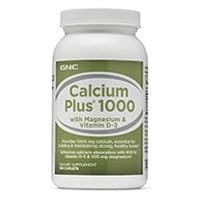
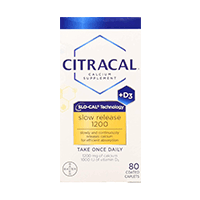
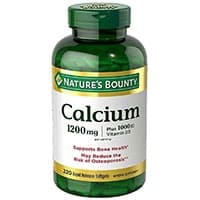
What calcium supplements are (elemental calcium, salt forms, and why “1200 mg” on the front can lie)
Calcium supplements deliver the mineral bound to a carrier salt—commonly calcium carbonate or calcium citrate—and the number that actually matters for intake math is elemental calcium (the calcium itself), not the total tablet weight. Calcium supports bone structure and muscle/nerve signaling in normal physiology, but supplements are not automatically “gentle” or risk-free: constipation is common, kidney stone risk is a real discussion for susceptible people at higher intakes, and hypercalcemia becomes possible when calcium stacks with high vitamin D intakes or certain medical conditions.
This guide is educational, not medical advice. If you have hypercalcemia, sarcoidosis or other granulomatous disease, chronic kidney disease, a history of calcium oxalate stones, take thiazide diuretics, digoxin, or thyroid hormone, or you are trying to match osteoporosis therapy to prescription plans, calcium dosing should be clinician-guided—not forum-derived.
How to use this guide
The shortlist favors transparent elemental milligrams per serving, clear salt-form disclosure (carbonate versus citrate), sensible tablet sizing and absorbability guidance for low stomach acid contexts, and credible contaminant testing language (lead matters in poorly sourced mineral products). The sections below help you avoid double-counting calcium across multivitamins, prenatals, meal replacements, and antacids that are secretly calcium carbonate.
Because calcium and vitamin D are mentally bundled in bone aisles, read vitamin D supplements before you stack high-dose D on top of a multivitamin and a bone formula—hypercalcemia is often a totals problem, not a single-bottle problem. If you are comparing fat-soluble “bone stack” vitamins, vitamin K supplements is the adjacent category where MK7 marketing meets warfarin reality—still not interchangeable with calcium chemistry, but part of the same shopper education map. For mineral interplay and common GI tolerance conversations, magnesium supplements is a parallel lane where people often over-stack minerals without calculating what kidneys and bowels experience daily.
What to look for on a calcium label
Elemental calcium per serving
Convert salt to element or buy brands that do it for you. If you cannot find elemental calcium quickly, downgrade the brand.
Carbonate versus citrate: food and acid dependence
Carbonate is usually cheaper and more concentrated but often taken with food; citrate can be more forgiving for some people with reduced acid—individual clinician input still matters.
Split dosing for absorption reality
Very large single boluses absorb less efficiently than split doses for many people—another reason “one giant tablet” is not automatically superior.
Hidden calcium sources
Antacids, fortified orange juice habits, meal replacements, and dairy intake all count toward totals.
Who calcium supplements may be appropriate for (and who should be careful)
Often a reasonable fit when
- Dietary calcium is low and a clinician agrees supplementation helps a defined goal.
- You track totals across products honestly.
- You tolerate tablets or chewables without severe constipation.
Use extra caution when
- Kidney stone history—dose and diet oxalate context deserve medical nuance.
- CKD where mineral balance is medically managed.
- Hyperparathyroidism or cancer-related hypercalcemia concerns—calcium is not “neutral.”
Evidence expectations: osteoporosis marketing versus individualized needs
Calcium supplementation decisions depend on baseline intake, age, sex hormones, vitamin D status, medications, and fracture risk context. Retail bone copy often oversimplifies that landscape. A grounded stance is: match supplement to documented need, not to fear marketing.
Compare two calcium products in 60 seconds
- Step 1: elemental calcium mg per serving stated?
- Step 2: carbonate vs citrate matches your stomach and timing habits?
- Step 3: vitamin D included—does it double-stack your multi?
- Step 4: tablet size swallowable for you?
- Step 5: contaminant testing credibility?
Common mistakes that waste money (or raise risk)
- Megadosing calcium while megadosing vitamin D from three sources.
- Ignoring antacid calcium as “not a supplement.”
- Choosing horse pills you will not take consistently.
- Replacing diet calcium entirely with tablets.
- Constipation escalation treated by random laxatives instead of dose strategy.
What to monitor in the first 2–4 weeks
Track constipation, bloating, gas, and nausea. Watch for unusual fatigue, confusion, polyuria, or abdominal pain if calcium and vitamin D totals are high—symptoms that should trigger urgent medical evaluation, not another tablet.
FAQs
Calcium carbonate or calcium citrate?
Often food timing and stomach acid context decide; your clinician wins ties.
When should I take calcium?
Spacing matters for some medicines (thyroid hormone, certain antibiotics)—pharmacist review beats generic internet rules.
Does calcium cause kidney stones?
Risk is individualized; high totals plus susceptible physiology plus diet context can matter—medical nuance beats fear or denial.
Can I take calcium with iron?
Competition exists; separation strategies are common—ask a pharmacist when both are prescribed.
How long should I trial one product?
If tolerance is good and goals are clear, months may be relevant; if constipation is severe in week one, formulation strategy should change quickly.
How we shortlist products on this page
We prioritize elemental transparency, salt-form clarity, conservative vitamin D stacking warnings, contaminant testing credibility, and brands that do not sell bone fear as certainty. For how we evaluate products across the site, read our methodology.
Bottom line
Calcium supplements are useful when they fill a real gap without creating a new problem—GI misery, stone risk, or hypercalcemia from stacked fat-soluble totals. The best purchase is clearly labeled, swallowable, and compatible with your medication timing and medical context.
If bone loss, fractures, or unexplained calcium abnormalities are in play, densitometry and lab-guided care beat aisle arithmetic.