Who this Nigella sativa guide is for
Nigella sativa (often called black seed in supplement marketing) shows up in capsules, oils, and softgels aimed at people who want a traditional botanical ingredient with modern convenience—commonly positioned around immune-season shopping, antioxidant-forward stacks, and general wellness routines. The hard part is not finding a bottle with trendy branding; it is finding a product with clear botanical identity, honest oil versus extract labeling, and a daily protocol you can actually maintain.
This guide is for adults comparing Nigella sativa supplements in a practical, label-first way. The ranked list above is your shortlist; the sections below help you evaluate cold-pressed oil versus powdered seed/extract formats, thymoquinone-related labeling (when disclosed), capsule burden, allergen statements, and monthly value.
Educational only—not medical advice. If you take medications (especially anticoagulants or antiplatelet drugs), are pregnant or breastfeeding, have immune conditions, bleeding disorders, scheduled surgery, or complex medical issues, involve a clinician before starting concentrated botanical oils or extracts.
How to use this page (shortlist + label discipline)
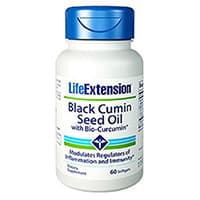
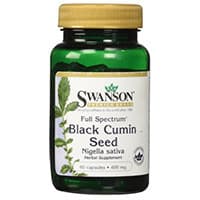
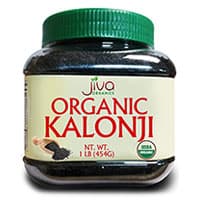
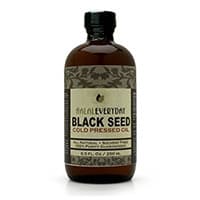
Use a two-step workflow. First, pick 2-3 finalists from the ranked products above based on format (oil softgel versus powder/capsule), price, and initial label clarity. Second, compare those finalists using the supplement facts panel: what part of the plant is used, what the serving is, and whether the label helps you compare value across brands.
The ranking block reflects our site’s structured data and editorial review approach; this article does not re-rank the list in prose. For transparency on how ranking information is presented across Top10Supps, see our methodology page.
Because Nigella sativa is often cross-shopped with other polyphenol-forward categories, compare label habits consistently. If you would demand clear disclosure on turmeric extracts, demand it here too—use turmeric supplements as a reference category for how serious brands handle extract language, serving design, and “standardization” claims.
What to look for in a Nigella sativa supplement
1) Botanical identity: seed oil vs seed powder vs extract language
Start by identifying what you are buying. Some products are cold-pressed seed oils in softgels. Others are ground seed powder. Others may present extract-style language. These are not automatically interchangeable without label review.
If a label obscures whether you are buying oil, powder, or an extract, comparison becomes guesswork—and you cannot evaluate monthly cost fairly.
2) Thymoquinone and “standardization” claims (shop like a skeptic, not a cynic)
Some brands discuss thymoquinone (TQ) or related markers. You do not need to memorize chemistry to shop well—you need to ask whether the label gives you enough information to compare two finalists at a similar price point. If one brand provides meaningful disclosure and another relies on vague “extra strength” language, transparency is a quality signal.
If two products look similar but one explains what you are getting per serving and the other does not, you are not comparing equals.
3) Purity, allergens, and oil quality basics
For oils, look for sensible packaging claims, clear storage guidance, and allergen statements. For capsules and powders, scan excipients if you have sensitivities. If a product tastes rancid or causes repeated GI upset, stop and reassess—do not “push through” oil quality problems.
4) Stack overlap with other immune-season and antioxidant routines
Many shoppers already use elderberry, vitamin C stacks, or polyphenol products during the same shopping season. Before adding Nigella sativa, write down what you already take and why. Overlap is expensive and confusing.
For flavonoid-forward comparisons, review quercetin supplements as a separate lane for label norms and serving transparency—not because the ingredients are interchangeable, but because the same buyer discipline applies.
For immune-season botanical comparisons with different formulation norms, use elderberry supplements as another benchmark category when evaluating whether you truly need multiple overlapping products.
5) Capsule burden, taste, and adherence
Oil softgels can be easy for some people and large for others. Powders can be flexible but only if you will mix them consistently. The best product is the one you will take on travel weeks, busy weeks, and normal weeks—not the one you only tolerate on your best day.
6) Cost per month at realistic intake
Calculate monthly cost using:
- servings per container
- whether you need one or multiple servings per day
- whether training season or travel changes your usage
Sticker price is misleading when two bottles assume different daily use patterns.
Common mistakes to avoid
- Buying marketing mythology without supplement facts.
- Stacking multiple immune-season products without a written stack map.
- Ignoring oil freshness and storage guidance.
- Ignoring medication and surgery timing concerns.
- Switching products weekly—adherence and tolerance need time to evaluate responsibly.
FAQs
Is Nigella sativa the same as black seed oil?
Marketing language overlaps, but your job is to read the supplement facts panel for the specific material and serving. Do not assume two bottles are equivalent without label review.
Should I choose oil or capsules/powder?
Choose based on tolerance, convenience, and the serving math you can maintain.
Can I take Nigella sativa with other supplements?
Many people combine supplements, but overlap should be intentional—especially if you already use multiple botanical concentrates.
What if I take blood thinners?
Stop and ask a clinician. Botanical oils and concentrated extracts can matter in that context.
How long should I trial one product?
Give one formula enough consistent use to judge adherence and tolerability. Rapid switching usually creates noise, not clarity.
Who should be extra cautious?
If you are pregnant, breastfeeding, take prescriptions, have bleeding risk, or have immune system medical conditions, treat supplementation as clinician-guided.
How we shortlist products
Our shortlist is built from structured product data and editorial review criteria focused on transparency, practical usability, and value. Rankings can change as formulations and availability change.
Bottom line
The best Nigella sativa supplement is usually the one with clear identity (oil vs powder vs extract positioning), honest serving disclosure, tolerability you can sustain, and a monthly cost that still makes sense after dose-adjusted math.
Prioritize label clarity over hype, keep stacks intentional, and involve a clinician when medical risk factors or prescriptions are in play.