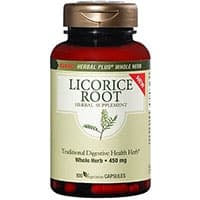
Why people shop licorice root supplements
Licorice root (Glycyrrhiza glabra and related species in commerce) is a classic herbal category used for digestive comfort, throat support, and stress-adjacent wellness routines. It is also one of the most misunderstood supplement categories because there are two very different product types on the market: regular licorice extract (contains glycyrrhizin) and DGL licorice (deglycyrrhizinated, with most glycyrrhizin removed). If you do not understand that difference, it is easy to buy the wrong product for your goal.
Most marketing pages collapse this nuance into “supports gut and immune health,” but real-world safety and fit can be very different. Regular glycyrrhizin-containing licorice may affect blood pressure, potassium balance, and medication response in susceptible users. DGL products are often chosen when people want mucosal soothing with less glycyrrhizin-related risk. In other words, this category is less about “best herb” and more about best form for your context.
This guide is educational and not medical advice. If you have high blood pressure, kidney disease, heart rhythm issues, edema, low potassium history, or take diuretics, corticosteroids, antihypertensives, or heart medications, discuss licorice supplements with a qualified clinician before use. Pregnancy and breastfeeding are also not self-experiment contexts for this category.
How to use this guide
Use the ranked list as a quality-and-fit filter, not as a treatment plan. Start with a single clear use case:
- Upper GI soothing support (often where DGL is considered)
- Throat comfort support in short-term routines
- General herbal digestive support with careful medication context
Then choose form first, brand second. Too many shoppers pick a product by review count and only later notice they bought high-glycyrrhizin licorice when they actually wanted DGL. That mismatch causes unnecessary side effects and frustration.
If you’re comparing adjacent digestive-herbal categories, review our marshmallow root supplements guide for another soothing-lane herb with a different risk profile, our peppermint supplements guide for GI comfort support with format-sensitive outcomes, and our ginger supplements guide for a warming digestive category with different tolerability patterns.
For full scoring criteria and how products are evaluated across the site, see our methodology.
Who this category is for (and who should pause)
Usually a better fit for
- Users with mild digestive or throat comfort goals who want a short, structured trial.
- People willing to choose between DGL vs regular licorice intentionally.
- Shoppers who can keep routines simple and monitor tolerance consistently.
Usually a poor fit for unsupervised use
- Anyone with uncontrolled hypertension or cardiovascular/kidney risk factors.
- Users on medication regimens with electrolyte or blood-pressure sensitivity.
- People expecting long-term high-dose “daily forever” use without clinical oversight.
How to compare two licorice labels in 60 seconds
- Step 1: Confirm product type: regular licorice extract or DGL licorice.
- Step 2: Confirm active amount per serving and glycyrrhizin context if listed.
- Step 3: Confirm format (chewable, capsule, tincture) and timing guidance.
- Step 4: Check medication warnings and blood-pressure cautions.
- Step 5: Check quality transparency and realistic monthly cost at true use.
If form and glycyrrhizin status are vague, skip it. In this category, ambiguity is a safety problem, not just a quality problem.
What to look for in a licorice root supplement
DGL vs regular licorice clarity
This is the most important label decision. DGL products are typically selected to reduce glycyrrhizin-related blood pressure/potassium concerns while preserving mucosal-support use cases. Regular licorice products may be appropriate in some contexts but require more caution and should not be treated as interchangeable.
Serving format matched to goal
Chewables are common in DGL routines where pre-meal use is typical for some users. Capsules may improve convenience. Tinctures can offer flexibility but are harder for some users to dose consistently. Pick the format you can execute reliably.
Dose transparency and practical schedule
A good label makes dose and timing obvious. If the protocol is too complex for your real day, adherence drops and outcomes become noisy.
Medication and electrolyte context
If you use blood pressure meds, diuretics, corticosteroids, or have potassium concerns, this category deserves pharmacist review. Do not rely on forum anecdotes when interaction context is known to matter.
Quality and sourcing transparency
Look for clear botanical identity, manufacturing standards, and sensible quality controls. This category has many legacy products with uneven labeling quality, so transparency is a practical differentiator.
Common mistakes that cause avoidable problems
- Using regular licorice long-term without monitoring. This is the classic avoidable mistake in the category.
- Ignoring blood pressure drift, swelling, or muscle weakness. These can be important warning signs.
- Buying by taste/flavor branding instead of form identity. “Licorice” on the front is not enough information.
- Stacking multiple digestive herbals at once. This makes it harder to identify cause-and-effect.
- Using supplements to delay diagnosis of severe symptoms. Persistent GI pain, bleeding signs, or significant reflux needs medical evaluation.
What to monitor in your first 2-4 weeks
If your clinician supports a trial, track these practical markers:
- Primary symptom target: throat comfort, upper-GI burning, post-meal irritation pattern.
- Blood pressure trend: especially if using regular licorice forms.
- Fluid/electrolyte warning signs: swelling, unusual fatigue, cramping, or palpitations.
- Tolerance: GI comfort, headaches, or any unusual symptom shift.
- Adherence quality: can you follow timing consistently without routine strain?
Stop use and seek medical review promptly for persistent blood pressure rise, edema, palpitations, weakness, or concerning neurological symptoms.
FAQs
What is the difference between DGL and regular licorice?
DGL (deglycyrrhizinated licorice) has most glycyrrhizin removed, often to reduce blood-pressure and potassium-related risks. Regular licorice contains glycyrrhizin and requires greater caution in many users.
Can licorice root raise blood pressure?
Regular glycyrrhizin-containing licorice can in some users, especially with longer use or higher intake. That is why form identification matters.
Is DGL completely risk-free?
No supplement is universally risk-free. DGL may reduce some concerns, but medication context and individual tolerance still matter.
Can I take licorice root daily long term?
Long-term routine use of regular licorice should not be casual. If considering ongoing use, clinician oversight is important.
What side effects are commonly discussed?
Depending on form and context, users may report GI changes, headache, blood pressure shifts, edema, or muscle weakness. Severe or persistent symptoms require medical review.
Can licorice root interact with medications?
Yes. This category is known for interaction relevance with blood pressure, diuretic, steroid, and electrolyte-related therapies.
How long should I trial one product?
If medically appropriate, keep one clearly labeled product and stable routine for 2-4 weeks before judging. Avoid changing multiple digestive products at once.
Bottom line
Licorice root supplements can be useful when chosen precisely, but this is a form-sensitive category where label literacy is essential. The best product is usually the one that clearly states DGL vs regular licorice, offers practical dosing, and matches your medication and blood-pressure context.
If you are unsure which form to use, ask your clinician or pharmacist before starting. In this category, a cautious and simple plan outperforms aggressive experimentation almost every time.