Why people shop pyruvate supplements
Pyruvate is a naturally occurring compound involved in cellular energy metabolism, and in supplement form it is most often marketed for body-composition support, workout energy, and “metabolic boost” routines. It sits in that familiar gray zone between sports nutrition and weight-management marketing, where labels can sound bold but practical outcomes depend heavily on dose realism, lifestyle consistency, and tolerance.
Most shoppers arrive here with one of two goals: improve training output while cutting calories, or support fat-loss efforts without stimulant-heavy formulas. Both are reasonable goals, but pyruvate is not a magic shortcut. If expectations are “capsule replaces nutrition and sleep,” this category will disappoint quickly.
This guide is educational and not medical advice. If you have diabetes, kidney disease, GI disorders, cardiovascular conditions, or take medications that affect glucose or blood pressure, discuss pyruvate supplementation with a qualified clinician before use. If you are pregnant or breastfeeding, avoid self-experimenting in this category.
How to use this guide
Use the ranked list as a quality and usability filter, not as a treatment protocol. Before comparing products, define your real use case:
- Training-phase support during structured lifting/conditioning blocks
- Cutting-phase support while preserving routine quality and recovery
- Low-stimulant metabolic stack for users avoiding aggressive caffeine products
Then pick a formula that fits your routine. If a product requires multiple daily servings and your schedule is chaotic, adherence will likely collapse, and results will look inconsistent regardless of ingredient quality.
If you are comparing adjacent categories often used in similar stacks, see our CLA supplement guide for another body-composition lane with different mechanism and evidence profile. If your plan includes stimulant-based fat-loss support, review our green tea extract guide for catechin/caffeine context. If you need precise stimulant control rather than blended formulas, compare with caffeine pills. These categories overlap in shopper intent but are not functionally interchangeable.
For full ranking criteria used across the site, see our methodology.
Who this category is for (and who should skip DIY trials)
Usually a better fit for
- Users with a stable nutrition/training routine who want a conservative adjunct, not a primary strategy.
- People who prefer lower-stimulant stack options and can monitor adherence and tolerance.
- Shoppers who care more about transparent dosing than “thermogenic” marketing buzzwords.
Usually a poor fit for
- People expecting rapid fat loss without calorie and activity consistency.
- Users with significant GI sensitivity who struggle with high-dose powder/capsule protocols.
- Anyone already taking multiple overlapping metabolism products without clear stack planning.
How to compare two pyruvate labels in 60 seconds
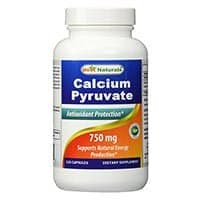
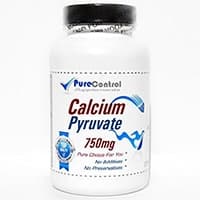
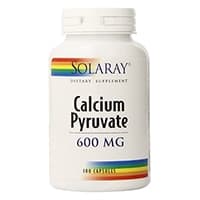
- Step 1: Confirm form and exact amount (e.g., calcium pyruvate mg per serving).
- Step 2: Confirm realistic daily serving count (not just per-capsule headline).
- Step 3: Check for unnecessary stimulants hidden in blend formulas.
- Step 4: Calculate monthly cost at true daily use, not bottle price alone.
- Step 5: Check overlap with current fat-loss or pre-workout stack.
If active amount is unclear or buried in proprietary language, skip it.
What to look for in a pyruvate supplement
Clear pyruvate disclosure and serving math
Reliable labels clearly state pyruvate amount per serving and practical daily use. This matters because some formulas look inexpensive until you calculate true daily intake and realize capsule burden is high.
Standalone vs “metabolic blend” formulas
Some products combine pyruvate with caffeine, synephrine-like compounds, CLA, carnitine, or appetite ingredients. Blends can be convenient but increase interpretation noise. If your goal is to evaluate pyruvate itself, standalone formulas usually provide cleaner feedback.
Capsule burden and real-world adherence
Pyruvate protocols can involve multiple capsules per day in some products. If that does not fit your routine, choose a format that supports consistency rather than perfect-on-paper dosing you won’t follow.
GI tolerance and timing
Digestive discomfort is one of the most common practical barriers in this category. Some users do better with split dosing and meal-adjacent timing; others may still not tolerate the ingredient well.
Quality and manufacturing transparency
Prefer products with clear manufacturing practices and quality signals. In high-marketing categories, boring label transparency is often the strongest sign of product quality.
Common mistakes that waste money
- Treating pyruvate as a replacement for calorie control. Supplements can support, but they do not override dietary surplus.
- Stacking multiple fat-loss products immediately. More ingredients usually means more side-effect uncertainty, not better outcomes.
- Buying by buzzwords (“thermogenic,” “metabolic ignition”) without dose transparency.
- Ignoring GI signals. Persistent bloating or discomfort can destroy adherence and training quality.
- Changing training, diet, and supplements all at once. You lose clear feedback on what is working.
What to monitor in your first 2-4 weeks
If your clinician supports a trial, track:
- Adherence: whether you can sustain the daily serving schedule.
- GI tolerance: bloating, cramping, bowel changes, meal-timing effects.
- Training quality: energy stability, session completion, and recovery feel.
- Body-composition trend context: weekly trends, not daily fluctuations.
- Stack overlap: avoid adding new fat-loss ingredients mid-trial.
FAQs
What is pyruvate used for in supplements?
Pyruvate is commonly marketed for metabolic support and body-composition routines, often in fitness-focused products. It is a supplement category, not a substitute for structured nutrition and training.
Is pyruvate a stimulant?
Pyruvate itself is not a classic stimulant, but many products combine it with stimulants. Always read full labels if you are caffeine-sensitive.
Can I take pyruvate every day?
Some users do, but daily use should match your tolerance, routine, and medical context. If side effects persist, reassess with your clinician.
What side effects are common?
GI discomfort is most commonly discussed (bloating, cramping, stool changes). Responses vary by dose, form, and stack complexity.
Can I combine pyruvate with caffeine or green tea extract?
Many fat-loss products do, but combinations should be planned intentionally. Start simple and avoid stimulant overlap if sleep or anxiety is already fragile.
How long should I trial one product?
If medically appropriate, use one transparent formula for several weeks with stable diet/training before judging. Product-hopping weakens conclusions.
Is pyruvate better than CLA?
Not universally. They are different categories with different evidence profiles and tolerance patterns. Choice depends on your goal, stack simplicity, and adherence reality.
Bottom line
Pyruvate supplements can be a reasonable adjunct for some users in structured training or cutting phases, but they are not high-impact replacements for fundamentals. The strongest choice is usually a transparent, practical formula you can follow consistently with minimal side-effect burden.
Keep expectations realistic, avoid unnecessary stack complexity, and measure outcomes with calm, repeatable habits. If your health profile is complex, use pyruvate only as a clinician-reviewed adjunct.