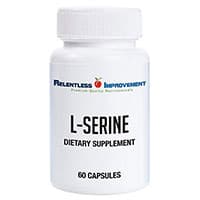
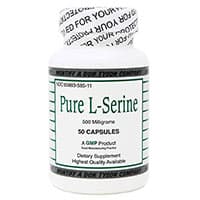
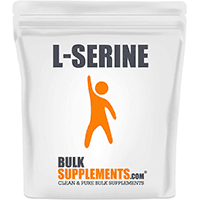
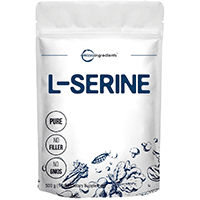
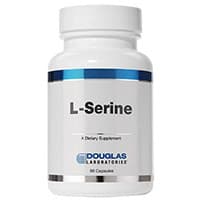
Why people shop L-serine supplements
L-serine is a proteinogenic amino acid—meaning your body can incorporate it into proteins—and it also participates in broader metabolism beyond “muscle building.” Supplement labels typically market free L-serine as a simple powder or capsule ingredient for people interested in brain health, sleep and recovery routines, and amino-acid “stacking.” This guide stays educational: L-serine is not a licensed treatment for cognitive disease, and research contexts do not automatically translate to your kitchen scoop.
If you are pregnant or breastfeeding, have kidney disease, or take medications for neurological or psychiatric conditions, discuss new amino-acid supplements with a qualified clinician—especially if you already use other nootropic-style stacks.
Below the shortlist, we cover the most important naming trap in this category, dosing realism, and common mistakes. For how we evaluate products in ranked guides, see our methodology.
How to use this guide
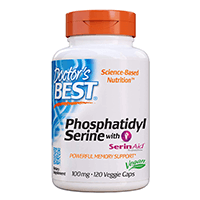
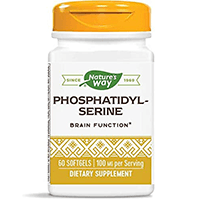
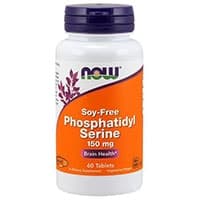
Start by confirming you are shopping for free L-serine, not a similarly named product. The biggest confusion is phosphatidylserine (PS), a phospholipid supplement with different goals, dosing, and label norms. If you want PS, read our phosphatidylserine supplements guide instead—buying the wrong “serine” is a common way to waste money and skew expectations.
If you are comparing other small amino acids and choline donors, glycine supplements cover a different amino acid with different bedtime culture, and choline supplements explain CDP-choline, alpha-GPC, and related formats—similar “cognitive stack” purchase intent, different chemistry.
What to look for
Supplement facts should say “L-serine” plainly
Look for milligrams of L-serine per serving and clear directions. If the label dances around “serine complex” without stating free L-serine amounts, comparison shopping is impossible.
Powder vs. capsules and serving math
Serine powders can be economical and easy to mix; capsules trade cost for convenience. Effective servings discussed in consumer contexts can mean multiple capsules—calculate monthly cost and pill burden before you buy.
Don’t confuse serine with phosphatidylserine or “brain blends”
Retail stacks may bundle serine alongside herbs, vitamins, and choline forms. Blends can be fine, but they make troubleshooting harder. If you want a clean trial, choose a single-ingredient product first.
Quality signals
Prefer brands with identity testing language and reputable manufacturing detail where available. Amino acids are commodity inputs, but cheap mystery bottles still exist.
Who should be extra cautious
- Kidney disease or high protein medical diets: clinician guidance matters for total amino acid load.
- Polypharmacy: bring your supplement sheet to a pharmacist when you add new products.
- Competitive athletes: verify your sport’s supplement policy—this guide cannot certify eligibility.
Mistakes to avoid
- Buying phosphatidylserine while searching “serine.” Similar words, different molecules.
- Expecting rapid cognitive transformation. Sleep, stress, training, and baseline health dominate subjective outcomes.
- Rotating five amino acids weekly. If nothing is stable, nothing is learnable.
- Ignoring GI upset. Split servings or change format if nausea persists.
FAQs
What is L-serine?
L-serine is a dietary amino acid found in protein-containing foods and sold as a supplement, typically as free L-serine in powder or capsules. It is not a vitamin; it is an optional supplement people take for personal goals.
Is L-serine essential?
Biochemistry labels vary by context; practically, many people obtain serine from diet and synthesis. Supplementation is a personal decision—not a universal requirement.
When should I take it?
Follow the product label unless your clinician advises otherwise. Many users experiment with timing around meals or training; track sleep if you dose late.
What side effects are commonly discussed?
GI upset, nausea, or headache appear in anecdotal reports—responses vary. Stop and seek medical advice for severe symptoms.
Can I take L-serine with protein powder?
Many people do, but large protein meals change amino-acid competition at absorption. If you want a controlled trial, standardize timing for a couple of weeks.
How long should I evaluate a transparent product?
Subjective focus and wellbeing signals are noisy. If you trial a product, keep servings stable for several weeks while holding caffeine, sleep, and training as constant as practical—then reassess honestly.
How we shortlist products
Our rankings reward clear milligrams of L-serine per serving, minimal unnecessary fillers, fair value at realistic daily use, and practical fit—powder versus capsule, unflavored versus flavored. Rankings are editorial guidance, not medical advice. For the full framework, read the methodology page.
Bottom line
L-serine supplements can be a coherent category if you want a straightforward amino acid with a clear supplement facts line—but the category’s name similarity to phosphatidylserine means label discipline is everything. Prioritize correct identity, keep single-ingredient trials clean, and treat side effects as data rather than something to ignore.
Use the shortlist to identify transparent candidates, then choose based on cost per gram, capsule burden, and whether you truly want free serine alone or a multi-ingredient formula.