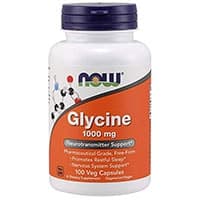
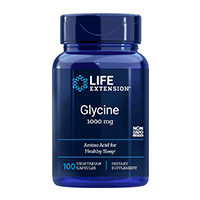
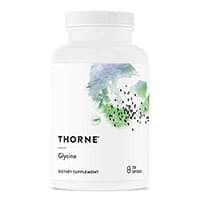
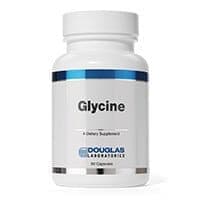
Why people shop glycine supplements
Glycine is a non-essential amino acid sold as a simple powder or capsule ingredient—often marketed toward people who want sleep support, evening wind-down routines, and “recovery” stacks without adding stimulants. It also shows up in conversations about collagen-rich diets because connective tissue proteins contain glycine among other amino acids—useful context, but not a reason to confuse a glycine scoop with a collagen scoop unless the label says so.
This guide is educational, not medical advice. If you are pregnant or breastfeeding, take prescription sedatives, have liver or kidney disease, or use psychiatric medications, discuss glycine with a qualified clinician before making it a high-dose daily habit—especially if you are combining multiple sleep supplements.
Below the shortlist, we cover powders versus capsules, serving realism, stacking discipline, and common mistakes. For how we evaluate products in ranked guides, see our methodology.
How to use this guide
Use the ranked list as a transparency-first filter: glycine products should be almost boring—clear milligrams per serving, minimal excipients, and honest scoop sizing. If a brand buries glycine inside a long proprietary “sleep matrix,” you lose the main advantage of buying a single amino acid: clean cause-and-effect.
Readers often compare glycine with other evening-friendly compounds. If you want a non-stimulant option commonly stacked with caffeine during the day, read our theanine supplements guide. If your interest is structural proteins and skin-hair-nails marketing rather than free glycine, collagen supplements cover a different product class with different label norms. For inhibitory neurotransmitter–adjacent shopping (a different mechanism story), GABA supplements are a frequent cross-shop—similar bedtime intent, different ingredient chemistry.
What to look for
Powder purity and taste (glycine is sweet-ish and easy to mix)
Unflavored glycine powder dissolves fairly well in water for many users and can taste mildly sweet—helpful for adherence, annoying if you dislike sweetness before bed. Capsules trade convenience for volume: effective servings discussed in sports-nutrition and sleep contexts can mean multiple large pills.
Milligrams per serving and true daily grams
Calculate what a “serving” means across the full day. Some labels look inexpensive until you realize you need three servings to reach the amount you intended. Do the math before you buy.
Don’t confuse glycine with magnesium bisglycinate
Magnesium bisglycinate is a magnesium salt chelated with glycine; it is not the same shopping task as free glycine powder. If your goal is magnesium, buy magnesium; if your goal is glycine, buy glycine—unless a clinician helps you combine intentionally.
Stacking: melatonin, herbs, and sedating prescriptions
Evening stacks can add up fast—alcohol included. If you feel groggy, dizzy, or unusually sedated, treat that as a safety signal, not a sign the stack is “working.”
Who should be extra cautious
- Sedatives and sleep prescriptions: additive effects are plausible—medical oversight matters.
- Kidney disorders: high amino acid loads may be inappropriate—ask your clinician.
- Upcoming surgery: follow your team’s instructions on supplement holds.
Mistakes to avoid
- Chasing sleep supplements before fixing light, caffeine timing, and schedule. Basics dominate outcomes.
- Rotating five bedtime ingredients nightly. If nothing is stable, nothing is learnable.
- Confusing collagen peptides with glycine dosing. They are related nutritionally; they are not interchangeable products.
- Ignoring next-day grogginess. If you cannot drive alertly, your stack is wrong for you.
FAQs
What is glycine?
Glycine is an amino acid used in protein synthesis and sold as a dietary supplement, typically as free glycine in powder or capsules. It is not a vitamin; it is an optional supplement people take for personal goals.
When should I take glycine?
Many people take it in the evening; others experiment with different timing. Follow the product label unless your clinician advises otherwise, and track sleep quality honestly for at least a couple of weeks.
How much glycine do people use?
Consumer products vary widely in suggested servings. Use label directions as your baseline and involve a clinician if you intend sustained high intakes—especially with medical conditions or medications.
What side effects are commonly discussed?
Mild GI upset, nausea, or loose stools appear in anecdotal reports—responses vary. Stop and seek medical advice for severe symptoms.
Is glycine vegan?
Synthetic or fermentation-sourced glycine can be vegan; capsule shells may not be. Read labels if that matters to you.
Can athletes use glycine?
Some athletes explore glycine around sleep and recovery priorities. If you compete under anti-doping rules, keep sourcing conservative and document what you use—this guide cannot certify eligibility.
How we shortlist products
Our rankings reward clear milligrams per serving, minimal unnecessary fillers, fair value at realistic daily use, and practical fit—powder versus capsule, unflavored versus flavored. Rankings are editorial guidance, not medical advice. For the full framework, read the methodology page.
Bottom line
Glycine supplements can be a coherent choice if you want a simple amino acid with a straightforward label and a common place in sleep-and-recovery conversations—but simplicity only helps when you keep the rest of your evening stack disciplined. Prioritize transparent dosing, separate glycine from magnesium bisglycinate mentally, and treat sedation and grogginess as safety data.
Use the shortlist to identify clean candidates, then choose based on taste tolerance, capsule burden, and whether you truly want glycine alone or a multi-ingredient sleep blend.