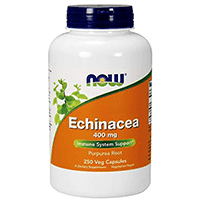
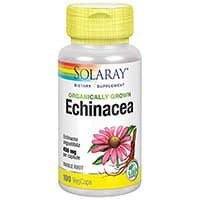
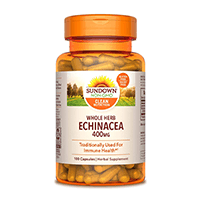
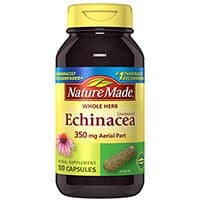
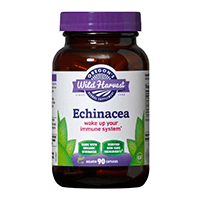
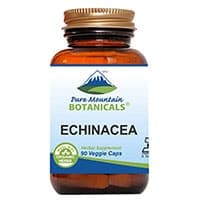
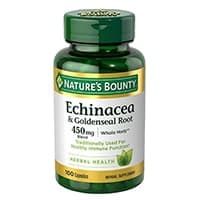
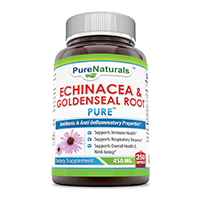
Why echinacea is still confusing after decades on shelves
Echinacea is one of the most recognizable “immune season” botanicals, but the category is messy in ways shoppers rarely expect. Different species (Echinacea purpurea, angustifolia, and pallida show up in commerce), different plant parts (root versus aerial parts), different extracts (juice-based, ethanol tinctures, standardized alkamide markers), and different study designs all get compressed into one word on a label: “echinacea.”
That matters because echinacea is not a single standardized drug. A fair purchase decision is less about finding the “strongest” marketing claim and more about choosing a product with clear botanical identity, honest serving math, and realistic expectations—especially if you have allergies, asthma, autoimmune conditions, or take immunosuppressive medications.
This guide is educational, not medical advice. If you have significant immune system disease, take transplant medications, have a history of severe allergic reactions, or are trying to self-treat persistent infections, talk with a clinician before using echinacea.
How to use this guide
Use the ranked shortlist as a quality filter: transparent species/part disclosure, credible manufacturing, and brands that do not hide weak doses inside proprietary blends. Use the sections below to match product type to your routine—capsules versus liquid, short targeted windows versus daily use—and to avoid the most common seasonal-supplement mistake: stacking five “immune” ingredients without a plan.
If you are comparing popular seasonal botanicals, elderberry is the closest neighbor in store aisles (different plant chemistry, different syrup-vs-capsule pitfalls). If you are thinking about mineral fundamentals that sit underneath many immune routines, zinc is a separate lane with clearer deficiency logic for some users. If your stack already includes high-dose vitamin products, sanity-check overlap with vitamin C so you are not accidentally doubling up across multis, powders, and fizzy drinks.
What to look for in an echinacea supplement
Species and plant part (non-negotiable label clarity)
Look for the Latin species name and whether the product uses root, herb (aerial parts), flower, seed, or a defined combination. If the label says only “echinacea,” treat it as incomplete information—not a flexibly “pure” minimalist design choice.
Extract type and what you are actually swallowing
Tinctures can be effective for adherence if you like liquids, but they may include alcohol carriers and flavoring. Capsules can be easier for travel and consistent dosing. There is no universal winner—only the format you will use consistently.
Standardization markers (when they help, when they distract)
Some products standardize to alkamide or phenolic markers depending on extraction. You do not need to memorize phytochemistry, but you should prefer brands that explain what the standardization means in per-serving terms rather than bragging with percentages detached from milligrams.
Proprietary immune blends
Blends are not automatically bad, but they make troubleshooting harder. If echinacea is buried in a matrix with elderberry, vitamin C, zinc, quercetin, and six other actives, you will not know what caused benefit—or nausea.
Allergen and daisy-family sensitivity context
Echinacea is in the Asteraceae family. If you react to related pollens or plants, use extra caution and consider pharmacist input—especially if you have a history of anaphylaxis.
Who echinacea is often a fit for (and who should be cautious)
Often a reasonable fit when
- You want a short, structured trial during high-exposure weeks with a transparent product.
- You can track tolerance (GI upset, rash, breathing symptoms) and stop early if needed.
- You are not using supplements to avoid vaccines or medical care your clinician recommends.
Use extra caution or avoid unsupervised use if
- Autoimmune disease or immunosuppression—this is specialist territory, not forum territory.
- Severe asthma or strong allergic histories without a clear plan.
- Persistent fever, severe sore throat, ear pain, sinus symptoms lasting weeks, or other red-flag infection patterns.
Compare two echinacea labels in 60 seconds
- Step 1: Latin species + plant part(s) listed?
- Step 2: mg per serving and how many servings per day?
- Step 3: Extract type disclosed (tincture vs dry extract vs juice concentrate)?
- Step 4: Hidden proprietary blends?
- Step 5: Allergen statements and alcohol content (if liquid)?
Common mistakes that waste money (or muddy your results)
- Switching species and brands weekly and calling it “echinacea doesn’t work.”
- Starting five new immune products at once during the same cold.
- Ignoring allergic warning signs (rash, lip swelling, wheezing) as “detox.”
- Buying syrup-style products without checking added sugar load.
- Using echinacea to postpone evaluation of recurrent infections.
What to monitor in a 10–14 day window (or per clinician plan)
If your clinician agrees to a trial, track symptom course alongside tolerance: nasal congestion severity, sore throat discomfort, sleep, GI upset, skin changes, and breathing comfort. Stop and seek urgent care for rapidly worsening shortness of breath, severe rash, facial swelling, or high fever with confusion—those are not “push through” supplement moments.
FAQs
Does echinacea prevent colds?
Evidence is mixed and depends on species, preparation, dose, timing, and study quality. A realistic expectation is modest support for some users in some contexts—not a force field against viruses.
Does echinacea shorten a cold?
Some trials suggest small changes in duration or intensity; others do not. If you try it, judge it with stable habits and a clear start/stop plan rather than cherry-picking one good day.
Is echinacea safe for kids?
Pediatric use should be clinician-directed, especially with liquid formulas, alcohol content, allergy history, and underlying conditions.
Can I take echinacea daily for months?
Some traditional use patterns involve cycles; many modern users take short windows around exposure. Long daily use is less compelling unless your clinician has a specific rationale.
Can echinacea interact with medications?
The biggest practical concern is immune-modulating context (immunosuppressants) and individual allergic risk. Bring the exact product label to a pharmacist if your medication list is complex.
Is echinacea “immune boosting” for autoimmune disease?
That is exactly the category where internet confidence is dangerous. Autoimmune management should not be steered by seasonal marketing language.
How we shortlist products on this page
We reward transparent botanical identity, honest serving disclosure, manufacturing credibility, and claims that stay inside plausible evidence boundaries. For how we evaluate products across the site, read our methodology.
Bottom line
Echinacea can be a reasonable seasonal option for some adults when labels are specific, expectations are modest, and allergy or immune-disease context is not contraindicated. The best product is usually the one with clear species/part disclosure—not the one with the loudest “shield your family” packaging.
If infections are frequent, severe, or unusual for you, prioritize medical evaluation. Supplements belong beside a plan, not in place of one.