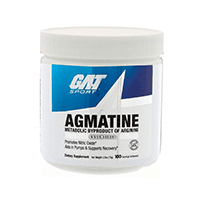
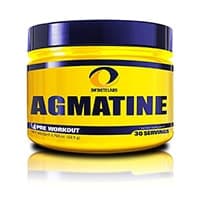
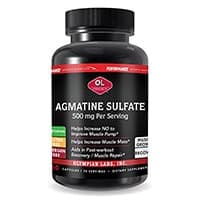
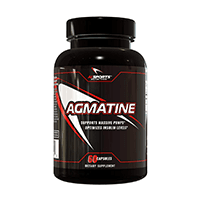
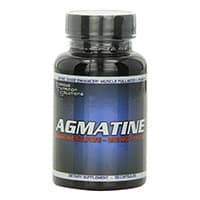
What agmatine supplements are (and why labels matter)
Agmatine is a small compound your body can form from arginine through decarboxylation. In supplement form, it is usually sold as agmatine sulfate in capsules or powders, often positioned toward lifters interested in “pump” stacks, mood or stress-adjacent routines, or broader neurotransmitter-adjacent curiosity from online communities.
The category is unusually sensitive to context: dose, timing relative to training, what else you take the same day (especially anything aimed at nitric oxide), and whether you are buying a clean standalone ingredient versus a crowded proprietary blend. None of that is “magic,” but it is exactly what separates a useful purchase from an expensive placebo—or an avoidable interaction headache.
This guide is educational, not medical advice. Agmatine has been discussed in research around several mechanisms (including NMDA receptor-related signaling in some lines of work), but supplement studies in humans are limited and heterogeneous. If you take blood pressure medications, psychiatric medications, erectile-dysfunction drugs, or anything with a narrow safety window, talk with a qualified clinician or pharmacist before experimenting.
How to use this guide
The ranked shortlist is your fast filter for product quality signals—label transparency, serving math, and how seriously the brand treats third-party testing. The body below is where you decide fit: whether agmatine matches your goal, how to read a label without getting tricked by blends, and what a responsible trial looks like.
If you are comparing nitric-oxide-adjacent categories, it helps to understand how agmatine differs from classic NO precursors. For that comparison mindset, see our arginine supplements guide (the amino acid agmatine is biochemically downstream from) and our nitric oxide supplements guide (a different lane of “pump” marketing with different ingredients and timing habits).
If you are building a training stack, agmatine is sometimes discussed alongside other performance staples. For a parallel category with its own dosing and tingling considerations, see our beta-alanine guide.
What to look for in an agmatine supplement
Standalone agmatine sulfate vs proprietary blends
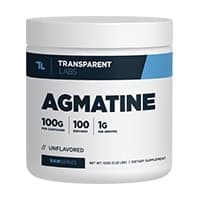
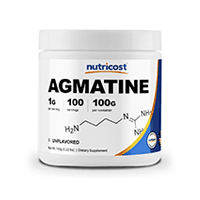
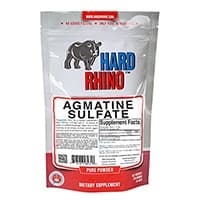
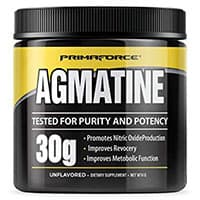
Prefer products that list agmatine sulfate as a discrete line item with milligrams per serving. “Pump matrix” blends can hide weak agmatine doses behind impressive-sounding totals. If you cannot calculate your daily milligrams in under a minute, assume the label is not trying to help you.
Serving size and label honesty
Capsule counts are easy to misunderstand: two capsules is not automatically “one serving” unless the facts panel says so. Check mg per serving, servings per container, and whether the brand expects you to take it once or multiple times per day. Monthly cost should be computed from your intended dose, not the marketing headline dose.
Timing relative to training (practical, not mystical)
Users commonly experiment with pre-workout timing, but the honest frame is: pick a consistent window for 2–3 weeks, keep caffeine and other variables stable, and judge tolerance and performance without constantly moving the goalposts. If changing timing also changes five other habits, you will not learn anything reliable.
Stack overlap: nitric oxide goals deserve extra caution
Because many readers land here from pump-stack culture, it is worth being blunt: combining multiple aggressive vasodilation-oriented products is where people accidentally stack effects they did not intend. If you already run a heavy NO-focused routine, adding agmatine without simplifying the stack is a common way to create jittery, headachy, or lightheaded days that get blamed on “a bad batch” instead of interactions.
Quality signals that still matter in niche categories
Even niche amino-adjacent products benefit from the basics: clear allergen statements, manufacturing transparency, and third-party testing claims that actually name a program or standard (not vague “lab tested” badges). If a brand cannot explain what was tested and when, treat it as marketing texture.
Mistakes people make before they buy
- Chasing proprietary “pump” names instead of verifying milligrams of agmatine sulfate.
- Rewriting their entire pre-workout the same week they add agmatine, then blaming one variable.
- Ignoring blood pressure context because the product is sold as a gym supplement, not a cardiovascular story.
- Expecting a stimulant feeling—agmatine is not caffeine; absence of buzz is not evidence it “does nothing.”
- Buying the biggest tub before they know GI tolerance at their chosen dose.
What to track during a 2–4 week trial
If your clinician agrees you are a reasonable candidate to try agmatine, keep a simple log: training days versus off days, dose and time, caffeine intake, sleep quality, headaches or dizziness, GI comfort, and any unusual mood changes. Stop and seek guidance if you develop persistent lightheadedness, fainting sensations, chest pain, severe headache, or sudden mood instability—especially if you take prescription medications.
FAQs
What is agmatine used for in supplements?
Marketing often points toward exercise performance, “pump,” or mood-adjacent support, but human evidence behind those claims is not as tidy as social media threads imply. In practice, most buyers are experimenting with subjective tolerance and stacking behavior rather than chasing a single FDA-style indication. That is not an argument against trying it; it is an argument for buying transparent labels and measuring your own response carefully.
How does agmatine relate to arginine?
Arginine is an amino acid; agmatine is a distinct compound formed from arginine in biochemical pathways. That relationship is why some people mentally group agmatine with nitric-oxide culture, but it does not mean agmatine behaves like arginine in every scenario or that doses translate one-to-one. If you are already optimizing arginine or citrulline routines, treat agmatine as its own variable with its own serving math.
Can I take agmatine with pre-workout?
Many users do, but pre-workouts are not monolithic: stimulant load, vasodilators, and osmolytes stack differently person to person. If you add agmatine, simplify something else for a few weeks so you can interpret side effects. If your pre-workout is already pushing blood pressure or anxiety edges for you, adding another active ingredient is rarely the first fix.
Does agmatine affect nitric oxide?
This is one of the most debated areas online, and it is exactly why “pump stack” posts disagree. Mechanistic discussions exist in scientific literature, but supplement-grade conclusions for your personal stack are not something to treat as settled law. If NO outcomes are your primary goal, prioritize consistent fundamentals (training, hydration, sleep) before exotic layering.
What side effects are most commonly reported anecdotally?
Users sometimes mention GI upset at higher doses, headaches, or lightheaded feelings—especially when combined with other vasodilation-heavy habits. Anecdotes are not clinical trial data, but they are a useful reason to start conservative and avoid multi-ingredient chaos during the first trial window.
How long should I test one product before switching brands?
If medically appropriate, give one transparent product a stable protocol for at least two weeks, ideally closer to four, before declaring failure. Switching brands weekly while also rotating pre-workouts turns your routine into noise.
How we shortlist products on this page
Our ranked picks are built from the same editorial standards we apply across supplement categories: label clarity, serving integrity, manufacturing credibility, and how well the product respects the reader’s time. For the full story on how we think about rankings and review discipline, read our methodology—and treat the shortlist as a curated starting point, not a personal prescription.
Bottom line
Agmatine supplements are a niche ingredient with loud internet mythology and comparatively thin, messy human evidence for broad outcome claims. The best buys are usually boring: clear agmatine sulfate dosing, honest serving math, and a plan to evaluate tolerance without simultaneously rewriting your entire stimulant and pump stack.
If you have cardiovascular risk factors, take prescription meds, or are unsure whether “pump optimization” is masking a real training or recovery problem, pause the experiment and get individualized guidance. Supplements should simplify decisions, not complicate medical safety.