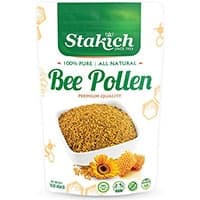
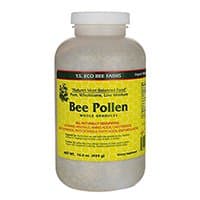
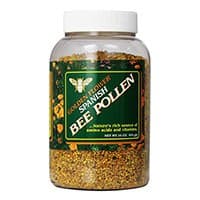
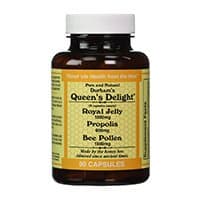
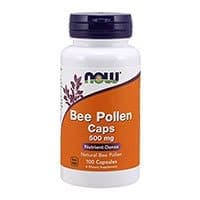
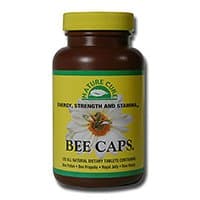
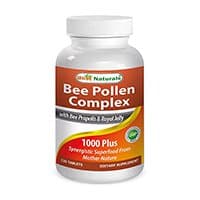
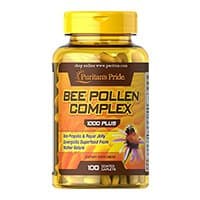
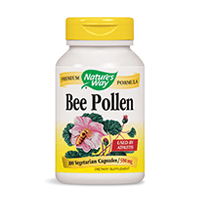
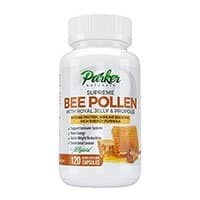
What bee pollen supplements are (and why allergy risk is the headline)
Bee pollen is a granular material collected by honeybees from plant anthers, often sold as loose granules, chewables, or capsules under “energy,” “vitality,” and seasonal wellness marketing. It contains a mix of plant proteins, carbohydrates, lipids, vitamins, minerals, and polyphenols—which sounds nutritious on paper, but the supplement reality is messier: composition varies by geography and season, labels rarely quantify “active” constituents the way drug labels do, and allergic reactions can be severe.
If you have pollen allergies, bee-sting allergy history, asthma with environmental triggers, or mast cell–type reactivity, bee pollen is not a casual “try it and see” aisle purchase. If you are pregnant, breastfeeding, immunosuppressed, or take multiple medications, get clinician guidance before experimenting.
This guide is educational, not medical advice. If you develop hives, throat tightness, wheezing, dizziness, or swelling after taking bee pollen, seek emergency care. Bee products are not required to be harmless because they are natural.
How to use this guide
The shortlist helps you filter for sourcing transparency, contaminant testing credibility, and brands that do not bury bee pollen inside proprietary “superfood” matrices. The body below helps you decide whether bee pollen matches your goal—or whether you are actually shopping a different bee-adjacent category with clearer dosing norms.
If you are comparing hive products, royal jelly is the closest parallel on shelves (different material, different allergy and hormone-marketing baggage, similar need for conservative safety framing). If your interest is flavonoid-forward seasonal support, quercetin is a different ingredient lane with different dosing and interaction conversations—useful as a contrast to “pollen as vague polyphenols.” If you are cross-shopping immune-season botanicals, elderberry illustrates how format (syrup sugar loads versus capsules) can dominate outcomes more than the hero ingredient’s name.
What to look for in a bee pollen supplement
Source disclosure and batch consistency reality
Because pollen composition shifts by region and season, reputable brands should explain sourcing and quality control in ways that go beyond pretty farm photography.
Contaminant testing: pesticides and heavy metals actually matter here
Pollen sits at the intersection of agriculture and hive exposure. Prefer brands with meaningful contaminant screening scope—not generic “lab tested” badges.
Granules versus capsules: adherence and dose control
Granules can be flexible for people who like them; capsules win for consistent milligrams and travel. Pick the format you will actually use.
Standalone bee pollen vs mega-blends
Blends with royal jelly, propolis tinctures, herbs, and “energy” actives are common. They increase allergy risk complexity and make attribution harder.
Start low if your clinician approves a trial
If a trial is appropriate, conservative titration is rational for a high-allergen-potential category—especially for asthma-prone users.
Who bee pollen may be appropriate for (and who should avoid it)
Potentially reasonable candidates (with medical input)
- Adults without relevant allergy histories who want a structured trial with a transparently labeled product.
- Users who can stop immediately at first warning signs and seek care if symptoms escalate.
Usually a poor fit
- Known pollen allergy, bee venom allergy, or prior anaphylaxis.
- Significant asthma or frequent systemic allergic reactions.
- Pregnancy and breastfeeding without obstetric guidance.
- Immunosuppression where infection risk and unpredictable exposures matter.
Compare two bee pollen labels in 60 seconds
- Step 1: sourcing region and identity testing stated?
- Step 2: mg per serving (capsules) or measured scoop guidance (granules)?
- Step 3: contaminant testing scope described meaningfully?
- Step 4: proprietary blends hiding bee pollen fraction?
- Step 5: other hive actives included you may already take elsewhere?
Common mistakes that waste money (or create danger)
- Treating bee pollen like a multivitamin for children or teens without medical oversight.
- Ignoring early itching or throat symptoms as “detox.”
- Stacking multiple bee products and losing track of total exposure.
- Buying imported mystery bags with no testing story.
- Expecting measurable performance upgrades without stable sleep and nutrition fundamentals.
What to monitor in the first 1–2 weeks
If your clinician agrees, track itching, rash, lip swelling, wheezing, GI upset, headache, and dizziness. Stop immediately for breathing difficulty, throat tightness, widespread hives, or fainting—and use emergency services when symptoms are severe.
FAQs
Is bee pollen good for allergies?
Popular folklore claims “local pollen” helps hay fever; evidence is not strong enough to treat it as a therapy, and it can worsen allergic disease in susceptible people.
Does bee pollen boost energy?
Some users feel subjective vitality; mechanisms and consistency are unclear. Treat energy claims as maybe, not guaranteed.
Can bee pollen interact with medications?
Polypharmacy deserves pharmacist review, but the dominant practical issue is allergy severity and unpredictability—not a tidy one-line interaction table.
Is bee pollen safe in pregnancy?
Default to clinician guidance; this is not a self-experiment category.
Why does bee pollen vary so much between brands?
Because it is a natural mixture collected from changing plant environments. That variability is exactly why testing and sourcing discipline matter.
How long should I trial one product?
If medically appropriate, use one transparent product for 2–4 weeks with stable habits—after passing a cautious initial tolerance window under guidance.
How we shortlist products on this page
We prioritize contaminant testing credibility, sourcing transparency, conservative allergy safety framing, and claims that do not exploit “natural hive” mystique. For how we evaluate products across the site, read our methodology.
Bottom line
Bee pollen can be a reasonable trial only for a narrow slice of adults—and only with clear eyes about allergy risk and product variability. The best purchases are usually well-tested, plainly labeled products from serious suppliers—not novelty granules sold as guaranteed vitality.
If you have any meaningful allergy history, the best supplement decision is often not to gamble—ask an allergist instead of the checkout aisle.