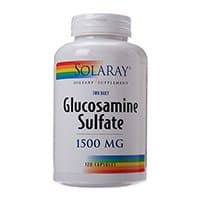
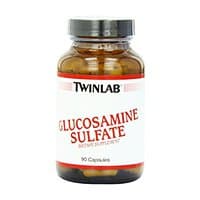
What glucosamine supplements are (and what “joint support” usually means on the label)
Glucosamine is an amino sugar used by the body as a building block for glycosaminoglycans—molecules that participate in cartilage and joint tissue biology. Supplements typically supply glucosamine sulfate or glucosamine hydrochloride (HCl), often in combination with chondroitin, MSM, hyaluronic acid, collagen peptides, or botanicals marketed for stiffness and exercise recovery.
Evidence in knee osteoarthritis is mixed and study-dependent; some trial designs suggest modest symptom benefit for certain people, while others are underwhelming. This page is educational, not medical advice. If you have shellfish allergy, take warfarin or other anticoagulants, have diabetes with tight glucose variability concerns, or are pregnant, review glucosamine with a clinician or pharmacist before treating it like “just cartilage food.”
How to use this guide
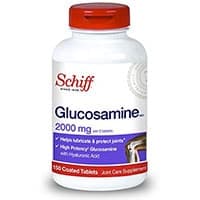
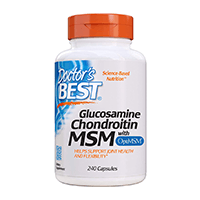
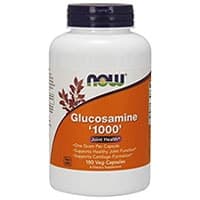
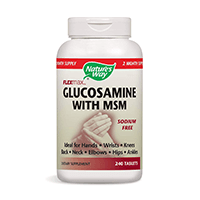
The shortlist favors transparent salt form disclosure (sulfate versus HCl changes effective glucosamine math), honest serving sizes (some labels make three giant tablets look like one “serving” on the front panel), shellfish versus non-shellfish sourcing when relevant, and brands that do not promise MRI-visible cartilage regrowth from a capsule.
If you are building a classic joint-stack mental model, chondroitin is the most historically paired co-ingredient in big osteoarthritis trials—worth reading even if you ultimately choose glucosamine alone. If your stiffness shopping includes sulfur-donor narratives and exercise soreness language, MSM is the frequent combo partner where dosing and tolerance differ from glucosamine’s GI footprint. If you want a botanical lane with different mechanisms and interaction homework, boswellia is a common adjacent purchase—still not automatically safe to stack blindly with every prescription.
What to look for on a glucosamine label
Sulfate versus HCl: the boring math that matters
Glucosamine salts differ in how much actual glucosamine is delivered per milligram of salt. If a brand hides the salt form or plays shell games with “complex” wording, you cannot compare value.
Shellfish-derived versus fermentation-derived sourcing
Many products are shellfish-derived; allergy-sensitive shoppers should verify sourcing statements rather than trust vibes.
Combination products and proprietary blends
Joint formulas love mystery ratios. If glucosamine and chondroitin amounts are buried in a blend line, treat it as a penalty unless third-party testing proves otherwise.
Tablet load and stomach tolerance
Effective daily totals often mean multiple large tablets; GI upset is a common reason people quit in week one—titration and meal timing can matter.
Who glucosamine may be appropriate for (and who should screen carefully)
Often a reasonable fit when
- You have mild-to-moderate knee OA symptoms and want a time-limited, clinician-tolerated trial with realistic expectations.
- You can commit to consistent daily dosing long enough to judge tolerance and subjective function—not “random weekends.”
- You read the full formula for hidden anticoagulant stacks.
Use extra caution when
- Shellfish allergy and unclear sourcing.
- Warfarin or bleeding-risk regimens—interaction data exist as a real discussion, not a meme.
- Diabetes where historical glucose monitoring debates still make individualized caution reasonable.
- Pregnancy and breastfeeding—evidence and safety framing are not retail-grade obvious.
Evidence expectations: symptom relief versus structure repair
Marketing loves cartilage imagery; human evidence is more about symptom endpoints for some people, not guaranteed remodeling. A sane buyer stance is: track pain with walking stairs, morning stiffness minutes, and exercise tolerance on paper; reassess after a disciplined trial window rather than mythologizing month six because sunk cost hurts.
Compare two glucosamine labels in 60 seconds
- Step 1: salt form named (sulfate vs HCl)?
- Step 2: glucosamine amount per day, not per “3 tablets” trick?
- Step 3: chondroitin mg stated separately if claimed?
- Step 4: shellfish statement credible?
- Step 5: third-party testing language for heavy metals?
Common mistakes that waste money
- Underdosing or inconsistent dosing and then declaring “science failed.”
- Buying mystery joint blends where glucosamine is marketing seasoning.
- Ignoring warfarin co-use because the bottle says “natural.”
- Expecting instant relief like an NSAID—trials often run months.
- Stacking five joint powders without calculating totals.
What to monitor in the first 8–12 weeks
Track pain, stiffness, and GI symptoms (bloating, heartburn, loose stools). Watch for unusual bruising or bleeding if you are on anticoagulants or antiplatelet drugs. If swelling, warmth, or mechanical locking worsens, that is a medical evaluation signal—not a cue to double the dose.
FAQs
Glucosamine sulfate or glucosamine HCl?
Debate exists; practical shopping is: pick a transparent form, compare delivered glucosamine, and judge tolerance and cost.
Does glucosamine rebuild cartilage?
Do not bank on structural repair claims from retail copy; track function honestly.
Can I take glucosamine if I’m allergic to shellfish?
Ask about sourcing; fermentation-derived options exist but must be verified on the label and with the manufacturer when stakes are high.
Will glucosamine raise blood sugar?
Historical concern exists; individualized monitoring and clinician input beat forum certainty.
How long should I trial one product?
Many serious users discuss multi-month trials—only if interactions are cleared and tolerance is acceptable.
How we shortlist products on this page
We prioritize salt-form clarity, shellfish sourcing transparency, conservative interaction framing, and brands that do not sell cartilage fantasy art as proof. For how we evaluate products across the site, read our methodology.
Bottom line
Glucosamine is a legitimate joint-aisle staple with mixed trial outcomes and real formulation math. The best purchase is the one with honest labeling, a dosing schedule you can actually swallow, and medical clearance when bleeding risk, pregnancy, diabetes variability, or shellfish allergy makes “standard joint stack” nonstandard for you.
If joints are hot, red, abruptly swollen, or associated with fever, infection and inflammatory arthritis belong in urgent evaluation—not supplement escalation.