Why people shop chamomile supplements
Chamomile (most commonly German chamomile, Matricaria chamomilla) is one of the most familiar calming herbs, used in teas, capsules, tinctures, and blends marketed for sleep support, stress relief, and digestive comfort. Its familiarity is both a strength and a trap: because chamomile tea feels gentle and everyday, many shoppers assume all concentrated chamomile products are equally mild and interchangeable. They are not.
In supplement form, chamomile can range from simple tea bags to concentrated extracts with different potency and timing effects. Product quality, format, and your specific goal matter a lot. If your target is sleep onset, your best pick may differ from someone looking for daytime calm or post-meal digestive ease. The “best chamomile” is usually the one matched to your use case with transparent labeling and manageable routine fit.
This guide is educational and not medical advice. If you have ragweed-family allergies (Asteraceae), use sedatives, anticoagulants, or have significant sleep/mental-health concerns, discuss chamomile supplementation with a qualified clinician before regular use. Severe insomnia, panic symptoms, or persistent GI pain should be medically evaluated.
How to use this guide
Use the ranked list as a quality-and-fit filter, not as a cure protocol. Start by deciding your primary goal:
- Sleep-wind-down support in evening routines
- Daytime calm support without heavy sedation
- Digestive comfort support linked to stress or mild post-meal discomfort
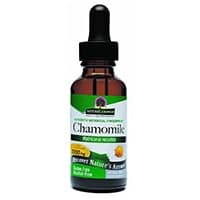
Once your goal is clear, choose format intentionally. Tea may suit ritual and gradual winding down; capsules can improve consistency and portability; tinctures can offer flexible dosing but may be less precise for some users. A “stronger” product is not automatically better if it disrupts daytime function or causes grogginess.
If you’re comparing adjacent categories in similar routines, see our lemon balm supplements guide for another gentle calming herb, our theanine supplements guide for non-botanical calm-focus support, and our valerian root supplements guide for a stronger sleep-forward botanical lane.
For complete ranking criteria and product-evaluation standards across the site, see our methodology.
Who this category is for (and who should avoid DIY stacking)
Usually a better fit for
- Users seeking gentle, non-stimulant support for sleep or stress routines.
- People willing to pair supplements with sleep hygiene and stress-management basics.
- Shoppers who prefer simple products over multi-herb sedation stacks.
Usually a poor fit for unsupervised use
- Anyone with severe ragweed-family plant allergies.
- Users combining multiple sedative products and alcohol without plan.
- People expecting one herb to resolve chronic insomnia rooted in major stress, shift work, or untreated mental-health conditions.
How to compare two chamomile labels in 60 seconds
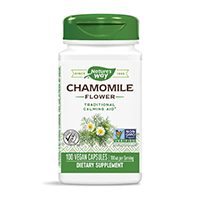
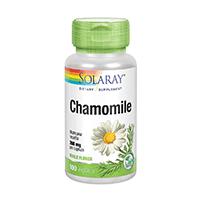
- Step 1: Confirm chamomile species and part used (flower vs generic blend).
- Step 2: Confirm extract amount per serving (for capsules/tinctures).
- Step 3: Check if product is standalone or mixed with other sedative herbs.
- Step 4: Check timing guidance (daytime calm vs bedtime focus).
- Step 5: Check caution notes for allergy risk and sedative overlap.
If active disclosure is vague and blend complexity is high, skip it.
What to look for in a chamomile supplement
Species and flower-part transparency
Reliable labels identify the botanical clearly and specify form. “Herbal calm blend” without meaningful chamomile details is difficult to compare and often lower-confidence.
Format matched to your routine
Tea is often best for evening ritual and stress decompression; capsules may be better for predictable daily dosing; tinctures can help with flexible titration. Your best choice depends on adherence and goal, not trend preference.
Single herb vs sleep blend complexity
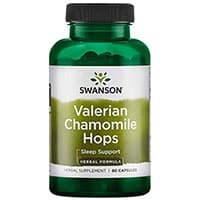
Many products combine chamomile with valerian, lemon balm, passionflower, or melatonin. Blends can be effective for some users, but first-time trials are easier to interpret when chamomile is isolated.
Sedation balance and next-day function
“Worked well” should include how you felt the next morning. A product that improves sleep onset but causes heavy next-day fog may not be a net win.
Quality and contaminant transparency
As with all botanicals, look for straightforward quality language and good manufacturing practices. In calming categories, trust and consistency matter more than flashy claims.
Common mistakes that waste money
- Using supplements while ignoring sleep hygiene. Late caffeine, screens, and variable bedtime often overpower herb effects.
- Stacking several sedative products on day one. This increases grogginess risk and reduces interpretability.
- Ignoring allergy context. Plant-family sensitivity can matter in this category.
- Buying by “deep sleep” claims without dose clarity.
- Using chamomile to delay care for serious anxiety/insomnia symptoms.
What to monitor in your first 2-4 weeks
If your clinician supports a trial, track:
- Sleep metrics: onset time, night waking, and morning clarity.
- Daytime calm/function: less stress without heavy sedation.
- Tolerance: GI response, headaches, skin/allergy signals.
- Stack overlap: avoid adding new sedative ingredients mid-trial.
- Adherence quality: can you keep timing consistent without friction?
Stop and seek medical guidance if significant allergic reactions, severe grogginess, worsening anxiety, or persistent sleep deterioration occur.
FAQs
What is chamomile used for in supplements?
Most commonly for sleep support, stress-calming routines, and mild digestive comfort support.
Is chamomile tea the same as chamomile extract capsules?
No. Tea and concentrated extracts differ in dose profile and user experience.
Can I take chamomile every day?
Many users do, but daily use should be tailored to your goal and medication context, especially with sedatives.
What side effects are commonly discussed?
Potential issues include drowsiness, allergy reactions in sensitive users, and occasional GI discomfort.
Can I combine chamomile with melatonin or valerian?
Possible, but start conservatively and one variable at a time to reduce excess sedation and improve clarity.
How long should I trial one product?
If medically appropriate, keep one clear product and stable routine for 2-4 weeks before changing.
Can chamomile replace treatment for chronic insomnia?
No. It can support routines for some users, but chronic insomnia often needs broader behavioral and/or clinical care.
Bottom line
Chamomile supplements can be a useful gentle-support option for sleep and stress routines when format and timing match your real needs. The best product is usually one with clear labeling, simple formulation, and sustainable daily use.
Keep your trial clean, protect sleep hygiene basics, and avoid sedative stack overload. In this category, consistency and context usually matter more than potency hype.