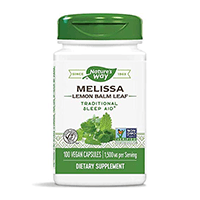
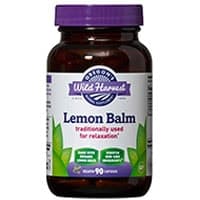
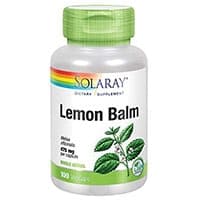
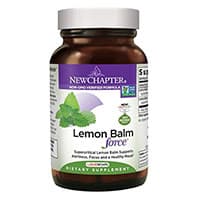
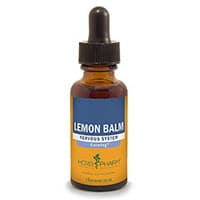
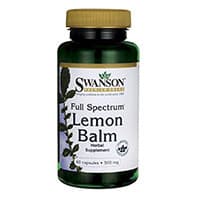
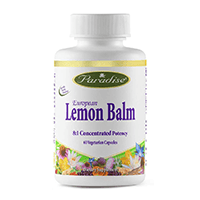
Why people consider lemon balm supplements
Melissa officinalis—lemon balm—is a calming botanical with a long history in traditional teas and tinctures. In capsule and tablet form, it shows up in “daytime ease” formulas marketed for stress and focus, and in evening routines aimed at winding down. The through-line is usually gentle nervous-system support, not brute-force sedation—though individual responses vary, and “gentle” can still feel too strong if you stack it with alcohol, sleep meds, or other sedating supplements.
This page is educational, not medical advice. If you take prescriptions for anxiety, sleep, seizure disorders, thyroid disease, or anything that affects alertness, check with a qualified clinician before adding lemon balm—especially if you drive, operate machinery, or care for children during the day.
Below the shortlist, we cover extract types, realistic expectations, stacking pitfalls, and FAQs. For how we evaluate products and what rankings represent on this site, see our methodology.
How to use this guide
Treat the ranked list as a curated map: brands differ in plant part, extract strength, and whether the formula is minimalist or blended. Start by deciding your intent—daytime calm without feeling drugged versus evening transition toward sleep—because those goals suggest different serving timing and different comparisons with other herbals.
Shoppers rarely evaluate lemon balm in isolation. If you are cross-comparing calm botanicals, our guides to passionflower supplements and chamomile supplements cover adjacent options with different sensory profiles and label norms. If your journey is more “sleep-heavy,” also browse valerian root supplements—often stronger-acting and more polarizing on tolerance.
What to look for
Leaf extract and standardization language
Most serious products use lemon balm leaf. Look for milligrams of extract per serving and, when stated, standardization to marker compounds such as rosmarinic acid—useful for comparing two transparent formulas. If the label lists only vague “herb powder” without clear amounts, you may be buying uncertainty unless you trust the brand’s consistency batch-to-batch.
Single herb vs. blends
Blends can be convenient (fewer bottles) but harder to troubleshoot. If lemon balm is buried in a long proprietary mix with undisclosed ratios, you will not know what drove a good or bad day. For first-time trials, a two- to four-week run with a single-ingredient product is often the cleanest experiment—then layer blends once you know your baseline tolerance.
Timing: morning, afternoon, or night
Some people tolerate lemon balm earlier in the day; others feel too relaxed for focus tasks. Track timing, dose, caffeine intake, and sleep quality in simple notes—human memory is unreliable for subtle effects. If your goal is sleep onset, pair timing with a consistent wind-down routine rather than expecting a capsule to override bright screens and late workouts.
Quality and trust signals
Botanical identity matters—adulteration is a known industry issue in some herb categories. Prefer brands that publish identity testing or reputable manufacturing detail. If you have allergies, scan excipients and capsule shells; if you avoid alcohol, confirm whether tinctures or liquid caps fit your rules.
Who should get clinician input first
- Thyroid conditions or thyroid medications: discuss use with your clinician; do not self-manage hormone therapy around a new botanical.
- Pregnancy and breastfeeding: safety data are not robust enough for blanket recommendations—ask a qualified professional.
- Sedatives, sleep aids, and alcohol: additive drowsiness and impaired coordination are real risks—avoid surprise stacking.
- Children and teens: dosing and appropriateness should be clinician-guided, not forum-guided.
Mistakes to avoid
- Expecting an instant “off switch” for anxiety. Botanicals can be helpful for some people; they are not replacements for care when symptoms are severe or persistent.
- Rotating five calming supplements nightly without a plan. You will never know what helped—keep variables controlled for a few weeks.
- Ignoring next-day grogginess. If you feel hungover or dull, reassess dose, timing, and interactions rather than pushing through.
- Buying solely by “relaxation” marketing photos. Read supplement facts; compare milligrams; prefer transparent extracts.
FAQs
What is lemon balm used for in supplements?
Products typically position it for stress resilience, calm focus, or sleep support—wording varies by brand and region. Mechanistic stories in research contexts often involve GABA-adjacent neurochemistry and antioxidant compounds like rosmarinic acid, but your personal response is the practical test.
Is lemon balm the same as lemon verbena or lemongrass?
No—different plants, different labels. Buy what the supplement facts identify clearly. If the front label is cute but the facts panel is vague, keep shopping.
Can I take lemon balm every day?
Many people do, but tolerance and benefit can plateau. Some users prefer cycling or reserving it for higher-stress weeks. If daily use is your plan, keep servings stable while you evaluate sleep, mood, and daytime alertness honestly.
What side effects are commonly discussed?
Mild sedation, headache, or GI upset appear in anecdotal reports for some users—this is not a complete list. Stop and seek medical advice for severe reactions, allergic symptoms, or worrisome changes in mood or alertness.
How does lemon balm compare to valerian?
Broadly, shoppers describe valerian as more “sleep-forward” and sometimes more divisive on smell and tolerance, while lemon balm is often framed as milder and more versatile—but individuals buck trends daily. Use trials responsibly and avoid doubling sedating stacks without medical guidance.
Can I combine lemon balm with tea or coffee?
Caffeine can mask calmative effects or create an uncomfortable tug-of-war between stimulation and relaxation. If results feel chaotic, simplify: stabilize caffeine timing first, then reintroduce the botanical on a predictable schedule.
How we shortlist products
Our rankings reward label clarity, credible botanical sourcing cues, sensible serving design, and how well a pick fits typical buyer needs—whether you want a clean leaf extract or a thoughtful evening blend. Rankings are editorial guidance, not medical advice. For the full framework behind our process, read the methodology page.
Bottom line
Lemon balm is a sensible category to compare if you want a traditionally used calming herb with a generally approachable reputation—but “approachable” still means respecting interactions and your daytime responsibilities. Prioritize transparent extracts, controlled trials (one major variable at a time), and professional input if your health situation is complex.
Use the shortlist to narrow high-quality candidates, then choose based on capsule burden, extract disclosure, and whether you truly want a single herb or a curated blend.