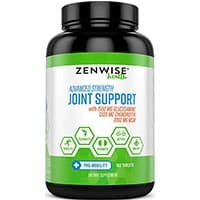
Why people shop chondroitin supplements
Chondroitin is a structural compound found in cartilage and one of the most common ingredients in joint-support supplements. Most shoppers land in this category for knee comfort, stiffness support, or active-aging mobility routines. It is often bundled with glucosamine and MSM, which can be useful — but it also makes labels harder to evaluate and side effects harder to attribute.
The biggest misunderstanding in this category is expecting immediate pain relief. Chondroitin is usually treated as a long-horizon support ingredient, not an acute rescue tool. That means product quality, dose consistency, and realistic timelines matter more than dramatic “move pain-free in 7 days” claims.
This guide is educational and not medical advice. If you have shellfish allergy concerns, bleeding-risk medication use (including anticoagulants), severe joint swelling/redness/fever, or rapidly worsening mobility limitations, consult a qualified clinician before use. Sudden inability to bear weight, trauma-related swelling, or joint locking needs medical evaluation, not supplement-only troubleshooting.
How to use this guide
Use the ranked list as a quality-and-fit filter, not as a treatment protocol. Start with one clear objective:
- Daily joint-comfort support in an active-aging routine
- Knee-focused mobility support with consistent strength and recovery work
- Stack simplification if you currently use too many overlapping joint products
Then decide whether you want standalone chondroitin or a combo product. Standalone formulas give cleaner trial data. Combo formulas may be convenient but often obscure which ingredient is doing what.
If you’re comparing adjacent categories, review our glucosamine supplements guide for the most common pairing, our MSM supplements guide for sulfur-based support in mobility stacks, and our Cissus supplements guide for botanical alternatives often used in similar routines.
For complete product-evaluation criteria across the site, see our methodology.
Who this category is for (and who should avoid self-directed use)
Usually a better fit for
- Users willing to trial consistently for weeks, not days.
- People with mild-to-moderate joint discomfort in non-emergency contexts.
- Shoppers who want transparent dosing and realistic long-term support expectations.
Usually a poor fit for
- Anyone expecting acute pain rescue for severe symptoms.
- Users with red-flag inflammatory signs who have not had proper assessment.
- People on complex medication regimens without pharmacist/clinician review.
How to compare two chondroitin labels in 60 seconds
- Step 1: Confirm exact chondroitin amount per serving (mg) and serving count.
- Step 2: Confirm source/type disclosure and shellfish context where relevant.
- Step 3: Check standalone vs multi-ingredient formula complexity.
- Step 4: Check practical daily capsule burden and monthly cost.
- Step 5: Check bleeding-risk cautions and quality transparency.
If active amount is vague or buried in proprietary blends, skip it.
What to look for in a chondroitin supplement
Dose transparency and realistic serving design
Strong labels make daily intake obvious and easy to execute. If the product requires a high number of capsules per day, ask whether adherence is realistic for your routine.
Standalone vs glucosamine/MSM combinations
Combinations can be convenient, but they can also create overlap if you already take other joint formulas. If your goal is a clean trial, standalone chondroitin often gives better interpretability.
Source and allergen context
Some chondroitin sources may matter for shellfish-sensitive users depending on product design and manufacturing. Labels should provide enough detail to make informed decisions.
Tolerance and GI comfort
Some users report digestive discomfort with multi-ingredient joint blends. A slower, consistent protocol with simple formulas often improves adherence and reduces confusion.
Quality and manufacturing reliability
Given the number of commodity joint products on the market, transparent manufacturing and clear ingredient identity are practical trust signals.
Common mistakes that waste money
- Expecting immediate pain relief. This category is usually better suited to steady long-term support.
- Stacking 3-4 joint products at once. More ingredients rarely improves clarity.
- Ignoring rehab and movement basics. Strength work, mobility, sleep, and load management often matter more than supplement complexity.
- Using supplements instead of evaluating red-flag joint symptoms.
- Buying by “joint miracle” claims rather than transparent dosing.
What to monitor in your first 2-4 weeks
If your clinician supports a trial, track:
- Primary symptom pattern: stiffness timing, pain score trends, and function (stairs, squats, walks).
- Tolerance: GI effects, unusual bruising, or sensitivity concerns.
- Activity context: training load changes that could explain symptom shifts.
- Adherence: whether daily dosing is sustainable in your routine.
- Stack overlap: avoid adding new joint ingredients mid-trial.
FAQs
What is chondroitin used for in supplements?
It is commonly used in joint-support routines, especially for comfort and mobility in active-aging contexts.
Is chondroitin the same as glucosamine?
No. They are different compounds often paired in formulas but not interchangeable.
Can I take chondroitin every day?
Many users do in structured routines, but daily use should match your medication and health context.
What side effects are commonly discussed?
Some users report mild GI discomfort or tolerability issues, especially with complex blend products.
Can chondroitin interact with blood thinners?
Potential interaction context exists, so clinician/pharmacist review is important if you use anticoagulant therapy.
How long should I trial one product?
If medically appropriate, use one transparent formula consistently for several weeks before judging results.
Can chondroitin replace physical therapy or prescribed care?
No. It may be a supportive adjunct, but movement rehab and clinical management remain core for many joint conditions.
Bottom line
Chondroitin supplements can be useful for steady joint-support routines when product labels are transparent and expectations are realistic. The best product is usually one with clear dosing, manageable daily use, and minimal blend confusion.
Keep your protocol simple, monitor functional outcomes (not just pain), and pair supplements with movement and load-management fundamentals for better long-term decisions.