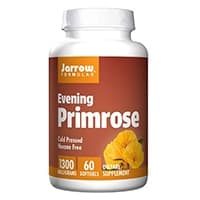
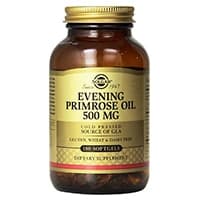
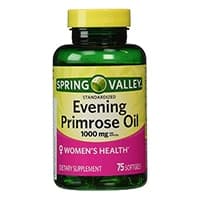
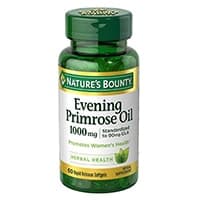
Why people shop evening primrose oil supplements
Evening primrose oil (EPO) is a plant-oil supplement typically made from Oenothera biennis seeds and most often marketed for women’s health, skin comfort, and hormone-cycle support. The key nutrient highlighted on labels is usually GLA (gamma-linolenic acid), an omega-6 fatty acid that sits at the center of most product claims. In practical terms, this is less of a “general oil” category and more of a targeted routine category where label quality matters.
Most shoppers arrive here for one of three reasons: PMS/cycle-related comfort, perimenopause symptom support, or dry/irritated skin routines. That broad use is exactly why people buy mismatched products. One formula may be suitable for a gradual 8-12 week skin-support trial, while another is designed as a low-dose blend that is too weak for your intended use. The best decision is usually not about brand popularity, but about GLA disclosure, dosage practicality, and whether the product fits your real routine.
This guide is educational and not medical advice. If you have bleeding disorders, seizure history, bipolar-spectrum conditions, are pregnant or breastfeeding, or take anticoagulants/antiplatelets, discuss evening primrose oil with a qualified clinician before use. Supplements can be useful adjuncts in some contexts, but they should not replace diagnosis or prescribed care.
How to use this guide
Use the ranked list as a quality-and-fit filter, not as a treatment protocol. Start by choosing one clear objective:
- Cycle-support comfort in a monthly symptom-management routine
- Skin barrier support as part of broader nutrition and skincare strategy
- Perimenopause-adjacent support alongside clinician-guided care
Then compare labels for actual GLA per serving, not just total mg of oil. This is where many shoppers get tricked: a big “1000 mg oil” number can still deliver low GLA if standardization is weak or unclear.
If you’re comparing adjacent women’s-health categories, review our red clover extract supplements guide for phytoestrogen-positioned products, our black cohosh supplements guide for menopause-symptom support context, and our magnesium supplements guide for foundational stress/sleep/cramp support often used in the same routines.
For full site-wide ranking criteria and how products are evaluated, see our methodology.
Who this category is for (and who should avoid DIY trials)
Usually a better fit for
- Users with mild-to-moderate cycle or skin-support goals who can run a consistent trial.
- People willing to track symptoms over multiple cycles instead of expecting rapid day-one changes.
- Shoppers prioritizing clear GLA labeling and simple formulas.
Usually a poor fit for unsupervised use
- Anyone with seizure disorders or significant bleeding-risk context without clinician review.
- Users expecting EPO to replace medical management of severe menstrual pain or heavy bleeding.
- People stacking multiple hormone-adjacent products at once without tracking.
How to compare two evening primrose labels in 60 seconds
- Step 1: Confirm oil amount per serving and exact GLA amount.
- Step 2: Confirm serving frequency and realistic daily capsule burden.
- Step 3: Check if product is standalone EPO or a mixed “women’s blend.”
- Step 4: Check freshness/oxidation protections (packaging quality, storage guidance).
- Step 5: Check safety cautions for anticoagulants, seizure history, and pregnancy context.
If the label does not clearly disclose GLA, skip it. In this category, that is the core value metric.
What to look for in an evening primrose oil supplement
GLA transparency first
Two oils can have similar total mg but very different GLA contribution. Good products make this easy to verify on the supplement facts panel.
Capsule count and adherence reality
Some products require multiple softgels daily to reach meaningful intake levels. If that does not fit your routine, adherence drops and outcomes become noisy.
Oxidation and quality handling
Plant oils are sensitive to heat and oxidation. Better products often signal quality through proper packaging and clear storage guidance rather than just beauty-focused marketing.
Standalone oil vs hormone-support blends
Blends may include herbs, vitamins, or minerals that overlap with what you already take. For cleaner decision-making, standalone EPO is often easier to trial first.
Symptom-target alignment
PMS tenderness, skin dryness, and menopause-hot-flash concerns are different goals. Choose one primary outcome to track so your trial has a clear success/failure signal.
Common mistakes that waste money
- Buying by total oil mg and ignoring GLA amount.
- Expecting dramatic changes in one week. Oil-based routines often require consistency over weeks/cycles.
- Stacking multiple women’s-health herbals immediately. This lowers interpretability and increases side-effect uncertainty.
- Using supplements to delay evaluation of severe bleeding/pain symptoms.
- Ignoring medication context (especially blood thinners).
What to monitor in your first 2-4 weeks
If your clinician supports a trial, track:
- Primary symptom metric: cycle discomfort pattern, breast tenderness, skin hydration comfort, or mood volatility.
- Tolerance: GI response, headaches, unusual bruising, or sleep changes.
- Cycle context: where symptoms sit in your monthly rhythm, not just day-to-day impressions.
- Adherence: can you consistently follow dose and timing?
- Stack overlap: avoid adding new hormone-adjacent products mid-trial.
Stop and seek clinical guidance for concerning bleeding changes, severe mood shifts, or persistent adverse effects.
FAQs
What is evening primrose oil used for?
Most products are used in cycle-support, skin-comfort, and women’s wellness routines, largely due to GLA content.
Is evening primrose oil the same as fish oil?
No. They are different oils with different fatty-acid profiles and use-case logic. EPO is an omega-6 GLA source; fish oil is primarily EPA/DHA omega-3.
Can I take evening primrose oil daily?
Many users do, but daily use should match your medical context, medication profile, and symptom target.
What side effects are commonly discussed?
Some users report mild GI upset, headache, or sensitivity changes. Responses vary by dose, formula, and individual tolerance.
How long should I trial one product?
If medically appropriate, trial one transparent formula for at least several weeks (often across one or more cycle windows) before judging results.
Can evening primrose oil replace hormonal or gynecologic care?
No. It can be a support tool for some users, but it does not replace diagnosis, labs, or clinician-guided treatment.
Should I choose the highest GLA product automatically?
Not always. Better means better fit for your goals, tolerance, capsule burden, and clinical context.
Bottom line
Evening primrose oil can be a useful option in cycle and skin-support routines when product selection is grounded in GLA transparency and practical daily use. The best formula is usually one you can follow consistently, with clear active disclosure and minimal blend confusion.
Keep your trial simple, track one main symptom target, and avoid stacking multiple hormone-adjacent supplements at once. If symptoms are severe or persistent, clinician-guided care remains the priority.