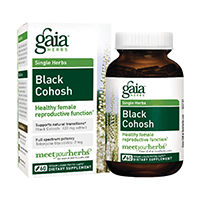
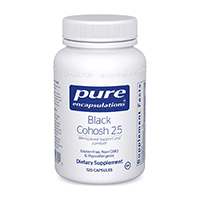
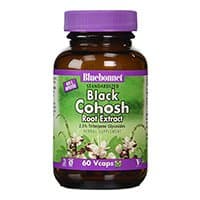
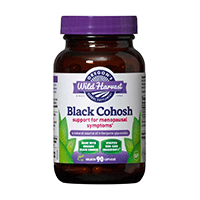
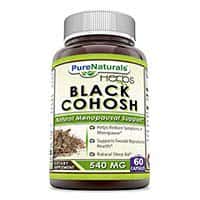
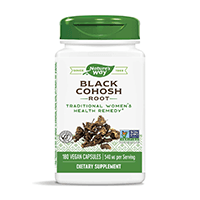
What black cohosh is (and why botanical identity matters)
Black cohosh is a North American botanical most often sold as a root/rhizome extract for menopause-related symptom support, especially hot flashes and sleep disruption. Quality products should identify the species clearly—commonly Actaea racemosa (historically also referenced as Cimicifuga racemosa)—because “black cohosh” confusion with unrelated plants has been a real-world safety issue in poorly regulated markets.
Evidence for symptom relief is mixed across trials and extracts, which is exactly why shopping should emphasize transparent extract labeling, manufacturing credibility, and medical context—not influencer certainty. Black cohosh is also one of the categories where “natural” does not mean “liver-neutral for everyone,” so conservative monitoring matters.
This guide is educational, not medical advice. If you have liver disease, take multiple medications, have a history of breast cancer or other hormone-sensitive conditions, or have severe menopause symptoms affecting quality of life, discuss black cohosh with a qualified clinician before starting—and seek urgent care for signs of liver injury (yellowing skin/eyes, dark urine, severe fatigue, right upper abdominal pain).
How to use this guide
The shortlist helps you filter for species-correct labeling, honest extract disclosure, third-party testing credibility, and brands that do not bury black cohosh in giant proprietary “hormone support” blends. The body below helps you match product choice to your goal (vasomotor symptoms versus vague “balance” marketing) and run a trial you can interpret without changing five variables overnight.
If you are cross-shopping menopause-adjacent botanicals, compare label habits with red clover extract (isoflavone-forward marketing) and evening primrose oil (fatty-acid lane with different evidence and tolerability). If your shopping list includes cycle-irregularity herbs, vitex (chasteberry) is a different botanical with different mechanism stories—helpful as a reminder not to stack mystery hormone stacks without guidance.
What to look for in a black cohosh supplement
Correct species and plant part
Look for Actaea racemosa rhizome/root language and avoid products that look like generic “women’s blend” puzzles. If the species is not explicit, do not buy.
Extract standardization and per-serving math
Many reputable products disclose extract ratios and/or triterpene glycoside markers (depending on extract). You should be able to answer: how many milligrams of extract per serving, how many times per day, and what that costs monthly.
Standalone extract vs multi-botanical menopause stacks
Stacks can be convenient, but they make side effects harder to interpret. If your goal is to evaluate black cohosh itself, simpler formulas usually produce clearer feedback.
Liver safety pragmatism
Rare liver injury reports exist in the broader literature and regulatory discussions; causality is debated, but the practical shopper stance is simple: avoid alcohol-heavy stacks, avoid “more is better” dosing, and stop immediately if liver warning signs appear.
Manufacturing and contaminant seriousness
Choose brands with meaningful identity testing and contaminant screening—not decorative badges—especially given historical adulteration concerns in some botanical supply chains.
Who black cohosh may be appropriate for (and who should pause)
Potentially reasonable candidates
- Adults with clinician agreement to trial a conservative, well-labeled extract for bothersome vasomotor symptoms.
- Users who can track symptom changes and stop early if intolerance appears.
Usually a poor DIY fit
- Active or history of hormone-sensitive cancers without oncology input.
- Known liver disease or abnormal liver labs without medical clearance.
- Pregnancy and breastfeeding: not a self-experiment category.
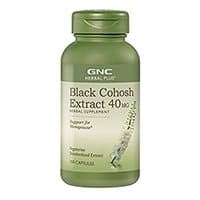
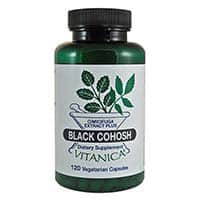
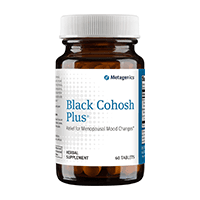
Compare two black cohosh labels in 60 seconds
- Step 1: Actaea racemosa root/rhizome stated?
- Step 2: mg extract per serving and daily servings?
- Step 3: Standardization language tied to serving math?
- Step 4: Proprietary blends hiding dose?
- Step 5: Liver warning language and clear contact info for adverse reporting?
Common mistakes that waste money (or create risk)
- Buying “women’s hormone balance” blends without knowing the black cohosh dose.
- Stacking multiple hormone-marketed herbs while also changing HRT conversations without a prescriber.
- Ignoring liver symptoms as “detox.”
- Expecting immediate elimination of hot flashes after a few doses.
- Using supplements to avoid bone density, cardiovascular, and cancer screening conversations that belong in clinical care.
What to monitor during a 4–12 week trial (often clinician-guided)
If medically appropriate, track hot flash frequency/intensity, sleep quality, mood, headache, blood pressure if you are sensitive, and GI tolerance. Stop and seek urgent evaluation for jaundice signs, severe abdominal pain, persistent vomiting, confusion, or allergic reactions.
FAQs
Does black cohosh work for hot flashes?
Some trials suggest benefit; others do not—often depending on extract type and study quality. A realistic expectation is modest symptom change for some users, not a guaranteed replacement for evidence-based medical therapies when those are indicated.
Is black cohosh estrogenic?
Marketing sometimes implies estrogen-like activity; mechanistic discussions are complicated and not a safe basis for self-treating hormone-sensitive conditions. If you have breast cancer history, this is an oncology conversation.
Can black cohosh affect the liver?
Rare liver injury cases have been reported in the broader literature; causality is debated. The practical approach is conservative dosing, avoidance of alcohol stacking, and immediate cessation with medical evaluation if liver warning signs appear.
Can I take black cohosh with HRT?
Some people do, but combination decisions belong to your prescribing clinician—not a product label.
How long should I trial one product?
Vasomotor symptom trials often need multiple weeks to judge fairly. Use one transparent extract with stable habits before switching brands.
Is black cohosh safe with antidepressants?
Polypharmacy deserves pharmacist review. Do not assume herbal products are interaction-free because they are sold OTC.
How we shortlist products on this page
We prioritize species-correct identity, honest extract disclosure, manufacturing credibility, and conservative safety framing for liver and hormone-sensitive contexts. For how we evaluate products across the site, read our methodology.
Bottom line
Black cohosh can be a reasonable trial for some adults with bothersome menopause symptoms when labels are transparent, expectations are grounded, and medical context is not contraindicated. It is not a substitute for individualized menopause care—especially when symptoms are severe, atypical, or accompanied by red-flag systemic signs.
If you are unsure whether your symptoms are “normal perimenopause” versus something that needs evaluation, default to your clinician first—then decide whether any botanical belongs in the plan.