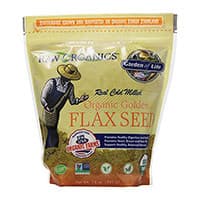
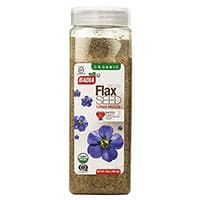
What flaxseed supplements are trying to deliver
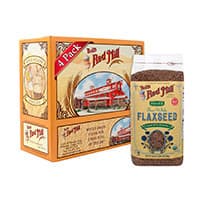
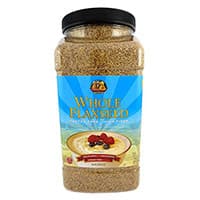
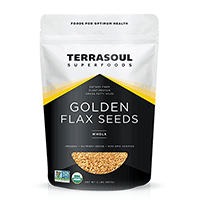
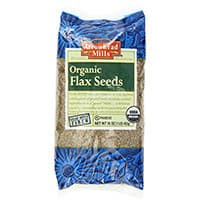
Flaxseed (Linum usitatissimum) is most often sold as ground seed (meal), whole seed, softgels of flaxseed oil, and occasionally “lignan concentrate” style products. The reason it keeps showing up in supplement aisles is simple: flax is a practical plant source of ALA omega-3, it can add fiber (especially in ground form), and it carries lignan-related plant compounds that marketers love to discuss.
The buyer problem is equally simple: form determines what you actually get. Flax oil delivers fat without meaningful fiber. Whole seeds can pass through digestion undigested if you do not chew or grind them. Ground flax is useful but oxidizes faster. If you buy the wrong format for your goal, you can do everything “right” and still miss the point.
This guide is educational, not medical advice. If you have bowel obstruction risk, severe constipation with acute pain, take anticoagulants, are pregnant, or have hormone-sensitive conditions, discuss concentrated flax products with a clinician—especially oil capsules and high-dose routines.
How to use this guide
The shortlist helps you compare products on freshness cues, honest labeling (ground vs whole vs oil), meaningful ALA disclosure where relevant, and manufacturing credibility. The body below helps you match flax to your intent: fiber-first routines, ALA intake, or both—without confusing ALA with EPA/DHA.
If you are comparing seed-based omegas, hemp hearts are a parallel pantry lane with different fat and fiber math. For gel-forming fiber behavior in liquids, chia seeds are the closest “seed routine” comparison. If your real goal is EPA/DHA specifically, align expectations with fish oil—ALA is not a 1:1 substitute for direct marine omega-3 intake.
What to look for in a flaxseed supplement
Ground flax (meal) vs whole seed vs oil
For fiber plus ALA together, ground flax is usually the practical choice. Whole seed can work if you grind it fresh. Oil softgels mainly deliver ALA calories without meaningful fiber—useful for some goals, misleading if you think you are buying “digestive fiber flax.”
Freshness, packaging, and rancidity
Polyunsaturated fat oxidizes. Prefer opaque packaging, clear pack dates, refrigeration guidance after opening (especially for ground products), and brands that treat fat quality as a serious specification—not a warehouse afterthought.
ALA milligrams per serving (for oil products especially)
Oil capsules should make per-serving ALA content interpretable enough to compare brands. If you cannot compute what you take per day, you cannot compare value.
Organic and contaminant testing
Organic certification matters to some buyers; others prioritize contaminant testing and freshness regardless of organic labeling. Either way, the win is trustworthy sourcing.
Calories still count
Oils and generous ground flax portions add energy quickly. If your goal is fat loss, measure portions like food—not like “free health dust.”
Who flax is often a fit for (and who should be careful)
Often a strong fit when
- You want more ALA from food-adjacent sources and can store ground flax properly.
- You need gentle fiber support and can increase water intake gradually.
- You prefer seeds over another pill category.
Use extra caution when
- You have acute abdominal pain, suspected obstruction, or severe narrowing conditions—fiber is not always appropriate.
- You take anticoagulants and stack many omega-3 sources without medical coordination.
- You choke easily on dry seed textures—choose a form you can swallow safely.
Compare two flax labels in 60 seconds
- Step 1: Whole vs ground vs oil—matches your goal?
- Step 2: Fiber per serving (if ground) or ALA per serving (if oil)?
- Step 3: Added ingredients (sweeteners, flavors) you did not want?
- Step 4: Storage guidance and date freshness?
- Step 5: Cost per gram of fiber or per gram of ALA at your real dose?
Common mistakes that waste money
- Buying whole seeds and never grinding them—then wondering why fiber did not change.
- Letting ground flax sit hot and open and getting rancid taste (and weaker nutritional intent).
- Confusing ALA with EPA/DHA and missing medical targets.
- Ramping fiber overnight without hydration—then blaming flax “detox.”
- Paying oil-capsule prices when you actually wanted fiber support.
What to monitor in the first 2–4 weeks
If your clinician agrees, track stool frequency and comfort, bloating, hydration, skin dryness (sometimes linked to fat quality), and adherence. Increase fiber gradually if you are sensitive. Stop and seek care for severe abdominal pain, vomiting, inability to pass gas, or blood in stool.
FAQs
Is ground flax better than whole flax?
For fiber and nutrient access, ground is usually more reliable unless you grind whole seeds fresh yourself. Whole seeds swallowed whole may provide less of the intended benefit.
Does flaxseed lower cholesterol?
Fiber-forward flax routines can be part of a heart-healthy diet pattern for some people, but individual results vary and supplements are not a replacement for medical lipid management when indicated.
Can flax interact with blood thinners?
Omega-3 and fiber changes can matter in anticoagulation contexts. If you take warfarin or antiplatelet medications, involve your clinician/pharmacist before making big changes.
Is flax safe in pregnancy?
Do not self-prescribe concentrated supplements in pregnancy. Food-appropriate use is a clinician conversation.
Flax oil vs fish oil—which should I pick?
If the target is EPA/DHA, fish oil (or prescribed marine omega-3s) is usually the relevant category. If the target is ALA and plant-forward eating, flax oil can fit—but do not confuse the two goals.
How should I store flax?
Follow package guidance; ground flax commonly belongs in the fridge or freezer after opening to protect fat quality.
How we shortlist products on this page
We prioritize honest form disclosure (ground vs whole vs oil), freshness and packaging seriousness, credible manufacturing, and claims that match what each format can realistically deliver. For how we evaluate products across the site, read our methodology.
Bottom line
Flaxseed supplements are most valuable when you pick the correct format for your goal: ground for fiber-plus-ALA routines, oil capsules for ALA fat without fiber, and whole seeds only if you will grind them. The best product is often the one you can store properly and use consistently—because rancid seed undermines everything else.
If your goal is fiber-first regularity, make sure hydration and gradual titration are part of the plan—flax works best as a teammate, not a brute-force lever.