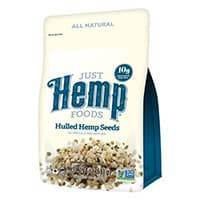
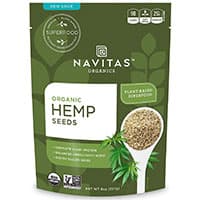
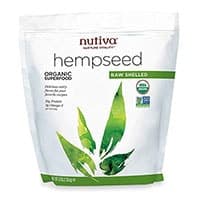
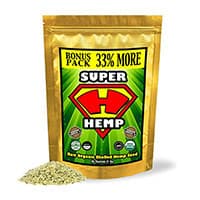
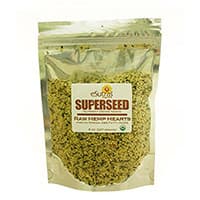
What “hemp hearts” actually are (and what they are not)
Hemp hearts are the soft inner kernels of hemp seeds—usually sold as a pantry food for smoothies, yogurt bowls, salads, and baking. Some shoppers land here because retailers also merchandise hemp hearts near supplements, or because brands market them for plant protein, fiber, minerals, and ALA omega-3 from the seed oil.
Important clarity: hemp foods are not a sneaky way to buy CBD or meaningful THC effects. Quality hemp hearts should be a food-first ingredient with nutrition-label thinking (macros, fiber, fats) rather than “wellness extract” mystique. If a product feels like it is trying to blur that line, treat it as a labeling honesty problem.
This guide is educational, not medical advice. If you take anticoagulants, have fat-malabsorption disorders, or need strict omega-3 targets for a medical condition, discuss major fat-source changes with a clinician or dietitian—especially if you are adjusting fish oil or prescription lipid therapies.
How to use this guide
The shortlist helps you compare packaged hemp heart products on freshness cues, organic claims that matter to you, protein-per-dollar, and whether the brand is selling straightforward food or repackaging seeds as a miracle powder. The body below helps you decide format (bulk bag versus smaller packs), how hemp hearts fit next to other seed staples, and how to interpret omega-3 language without overbuying based on hype.
If you are building a seed rotation for fiber and fats, two close comparisons are flaxseed (often higher ALA concentration in oil/milled formats) and chia seeds (fiber-forward gel-forming behavior in liquids). If your real goal is EPA/DHA intake, whole hemp hearts are not a substitute for fatty fish routines—compare goals honestly with fish oil (a different omega-3 class with different conversion math).
Who hemp hearts are a good fit for (and who should be more careful)
Often a strong fit when
- You want an easy plant protein and fat boost that fits real cooking habits.
- You tolerate seeds well and can store fats properly to avoid rancidity.
- You prefer whole-food nutrition over proprietary “superfood” blends.
Use extra caution when
- You have significant swallowing risk with small seeds (rare, but real for some populations).
- You need strict omega-3 dosing for medical reasons—ALA from seeds is not the same planning tool as EPA/DHA products.
- You are highly sensitive to fiber increases and tend to jump doses too fast.
What to look for when buying hemp hearts
Freshness, smell, and fat stability
Hemp hearts contain polyunsaturated fat, which means freshness matters. Prefer brands with clear pack dates, opaque packaging when possible, and storage guidance. If a bag smells paint-like or sharply “off,” do not rationalize it—discard per food safety norms.
Protein and fiber numbers you can use
Compare grams of protein and fiber per serving using the Nutrition Facts panel, not the front label superlatives. If you are buying for a specific macro target (for example, adding 10–15g protein to breakfast), do the arithmetic once and stop guessing by scoop size.
Organic, origin, and contamination seriousness
Organic certification matters to some buyers for pesticide residue preferences; others prioritize freshness and COA-style testing language if the brand markets beyond plain food. Either way, the win is consistency: the same quality cues week to week.
Whole hearts versus “hemp seed oil” products
Hemp hearts deliver protein and fiber alongside fat; hemp seed oil is mostly fat calories without the protein/fiber story. If your goal is seed-forward texture and satiety, hearts usually beat oil-on-the-side thinking.
Allergen and facility statements
Seed products are often packed in facilities that handle other allergens. If you have severe nut or sesame allergy protocols, read facility statements carefully—marketing “clean” does not replace label diligence.
Compare two hemp heart products in 60 seconds
- Step 1: Protein + fiber + fat per serving on Nutrition Facts?
- Step 2: Price per pound (or per 30g protein)—value reality check?
- Step 3: Pack size versus how fast you will finish it (oxidation risk)?
- Step 4: Organic claim—meaningful to you or not?
- Step 5: Any unnecessary sweeteners or “proprietary mixes” in flavored versions?
Common mistakes that waste money (or ruin texture)
- Buying a giant bag and using it slowly while the fat ages.
- Assuming hemp hearts replace fish oil for EPA/DHA targets—they mostly contribute ALA, and conversion is limited.
- Ramping fiber overnight and blaming the seed instead of titration.
- Paying supplement prices for plain food without better freshness or testing justification.
- Ignoring calories—healthy fats are still calories if your goal is strict weight management.
What to track in the first 2–4 weeks
If you are adding hemp hearts for a specific goal, keep a light log: breakfast satiety, GI comfort, skin dryness changes (sometimes people notice fat-quality effects indirectly), training energy if relevant, and adherence (did you actually eat it). Food supplements fail most often because the routine is unrealistic, not because the seed is “weak.”
FAQs
Are hemp hearts a complete protein?
Hemp protein is often described as relatively complete among plant sources, but amino acid profiles still differ from animal proteins. For muscle-focused goals, total daily protein intake usually matters more than any single seed’s perfection on a chart.
How much omega-3 do hemp hearts provide?
Hemp hearts contribute ALA. That is valuable for plant-forward eating patterns, but it is not the same as directly consuming EPA/DHA. If your clinician targets EPA/DHA specifically, align the plan to the right source category.
Will hemp hearts make me fail a drug test?
Reputable hemp food products are not designed to deliver meaningful THC exposure. If you have extreme testing sensitivity concerns, use products from established brands with transparent compliance positioning—and ask the testing authority what documentation they accept.
Should hemp hearts be refrigerated?
Many brands recommend refrigeration after opening to protect fat quality. Follow package storage instructions; heat and air are the enemies.
Can I cook with hemp hearts?
Yes—salads, oatmeal, smoothies, and baking are common. High-heat abuse of any seed fat can reduce quality over time, so match cooking style to how much you care about delicate fat preservation.
Are flavored hemp heart products worth it?
Sometimes—if they reduce your sugar intake or improve adherence. Often they add sugars or flavors you do not want. Read the Nutrition Facts like any packaged food.
How we shortlist products on this page
We treat hemp hearts primarily as a food category with supplement-adjacent merchandising: freshness signals, macro honesty, packaging sanity, and price-per-nutrient realism. For how we evaluate products across the site, read our methodology.
Bottom line
Hemp hearts are a practical pantry staple for plant protein, fiber, minerals, and ALA fats—best bought like a serious food, not like a mystery extract. Choose pack sizes you can finish while fresh, compare macros on the facts panel, and align omega-3 expectations with the right supplement category if EPA/DHA is the real target.
If your goal is adherence, the “best” product is often the one you will actually eat consistently—texture you like, storage you will follow, and a price that does not punish daily use.