What vitamin B12 supplements are for (and why form wars are overrated)
Vitamin B12 (cobalamin) is essential for DNA synthesis, red blood cell formation, and nervous system maintenance. Deficiency can cause anemia and neurologic symptoms—and it is more common than many assume in older adults, people with reduced stomach acid or certain GI surgeries, and some strict vegan diets without reliable fortified foods.
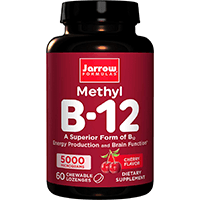
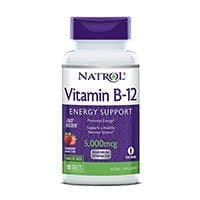
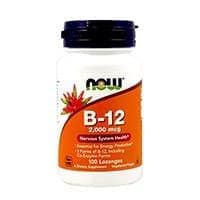
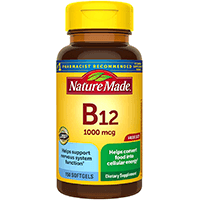
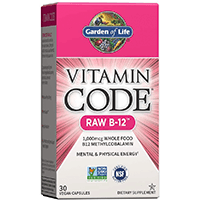
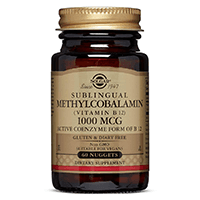
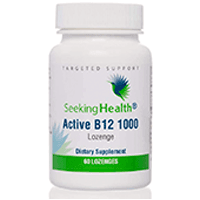
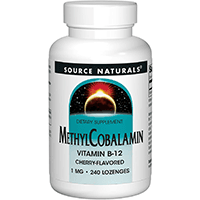
Supplements usually provide cyanocobalamin, methylcobalamin, hydroxocobalamin, or adenosylcobalamin in tablets, capsules, lozenges, or liquids. Internet debates treat forms like sports teams; the more practical shopping questions are: mcg per serving, daily totals across all products, absorption context (IF deficiency, medications), and whether you actually need a supplement versus better food fortification planning.
This guide is educational, not medical advice. If you have anemia symptoms, neuropathy, unexplained cognitive changes, or a diagnosis like pernicious anemia, follow medical care and testing—oral supplements are not a universal substitute for clinician-directed B12 therapy.
How to use this guide
The shortlist helps you filter for honest microgram dosing, credible manufacturing, and brands that do not hide B12 inside giant “energy” blends without totals. The body below helps you compare forms without mysticism, avoid double-counting B12 from multis and prenatals, and understand when folate and iron conversations belong in the same medical visit.
B12 deficiency workups often overlap with folate status and blood count patterns—useful context so you do not “supplement by vibes” when fatigue has multiple nutrient causes. If fatigue is iron-related, iron is a different mineral lane with different elemental math and different toxicity rules—still part of the same primary-care conversation when labs are abnormal. If you are thinking about broader one-carbon nutrient stacks, choline is a separate dietary methyl-adjacent topic with different goals and dosing norms.
What to look for in a vitamin B12 supplement
Micrograms per serving—and your total daily micrograms across everything
Check your multivitamin, prenatal, energy drink powders, and greens products for hidden B12 before adding a standalone mega-dose.
Form choice: cyanocobalamin vs methylcobalamin vs hydroxocobalamin
For many people, cyanocobalamin is inexpensive and effective when dosing is appropriate. Methylcobalamin is popular in wellness marketing; hydroxocobalamin is common in clinical contexts. If you have a specific clinician preference (for example, rare inborn errors of metabolism or unusual sensitivities), follow that guidance rather than forum tribalism.
Lozenges and liquids: adherence and swallowing realities
Lozenges can help adherence; liquids help swallowing issues. “Sublingual absorption” marketing is not a license to ignore medical evaluation when deficiency is severe.
Vegan reliability: supplements vs fortified foods
Vegans can meet B12 needs with fortified foods and/or supplements, but spirulina and random “natural” sources are not dependable B12 strategies—see testing-forward algae categories separately.
Manufacturing and contaminant seriousness
Prefer meaningful third-party testing language—not decorative badges.
Who B12 supplements may be appropriate for (and who needs medical pathways)
Often a reasonable fit when
- You have dietitian/clinician guidance for vegan nutrition planning or documented low intake.
- You are older and diet quality is inconsistent, with clinician agreement to supplement.
- You take metformin or acid-suppressing medications and have been told to monitor B12.
Usually a poor DIY fit when
- You have neurologic symptoms or macrocytic anemia patterns without diagnosis.
- You suspect pernicious anemia or malabsorption—this needs medical testing, not megadose guessing.
- You stack multiple high-dose B12 products without adding totals.
Compare two B12 labels in 60 seconds
- Step 1: mcg B12 per serving stated plainly?
- Step 2: form named (cyano/methyl/hydroxo)?
- Step 3: servings/day and monthly cost?
- Step 4: overlap with multivitamin/prenatal totals?
- Step 5: credible testing language?
Common mistakes that waste money
- Assuming methylcobalamin is automatically superior for everyone.
- Megadosing B12 to “fix fatigue” while ignoring sleep apnea, depression, thyroid disease, and iron deficiency.
- Ignoring folate and B12 interplay in real medical evaluation.
- Buying liquids with sweeteners you tolerate poorly.
- Using supplements to postpone a CBC you have been avoiding.
What to monitor in the first 4–8 weeks (often with labs)
If your clinician agrees, track energy, mood, tongue soreness, neuropathy symptoms, and GI tolerance. Follow repeat labs on the schedule your clinician recommends—oral supplementation is not a substitute for monitoring when deficiency is clinically significant.
FAQs
How much B12 should I take?
Public intake references exist, but individualized dosing belongs to clinicians when deficiency, pregnancy, malabsorption, or medication interactions are involved.
Can B12 cause acne?
Some people report acne flares with high-dose B vitamins; if skin changes track with dosing, discuss with a clinician.
Is sublingual B12 better?
Adherence and swallowing issues can make lozenges useful; absorption superiority claims are not equally supported across all populations.
Can you overdose B12?
Water-soluble vitamins are often tolerated at high doses, but pointless mega-dosing still adds cost and complexity—and can mask the need for real diagnosis.
Do I need B12 if I eat meat?
Sometimes not—but absorption issues can still cause deficiency despite intake. Symptoms and labs matter.
How long should I trial one product?
If medically appropriate, follow clinician timelines tied to lab monitoring—not “two weeks vibes.”
How we shortlist products on this page
We prioritize transparent microgram dosing, manufacturing credibility, conservative medical framing for deficiency contexts, and claims that do not substitute for diagnosis. For how we evaluate products across the site, read our methodology.
Bottom line
Vitamin B12 supplements are a straightforward, high-leverage category when dosing is clear and your actual need is confirmed—or safely planned with a clinician for vegan nutrition and medication-related risk. The best purchases are usually simple products with honest mcg labels—not mystery energy stacks where nobody totals the micrograms.
If fatigue is persistent or neurologic symptoms are present, treat labs and medical evaluation as the main event—B12 is a supporting character, not a detective substitute.