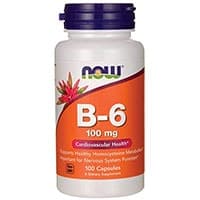
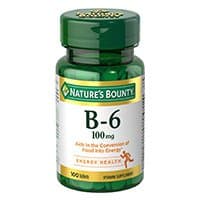
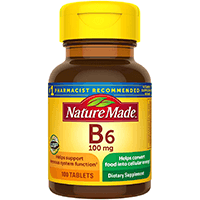
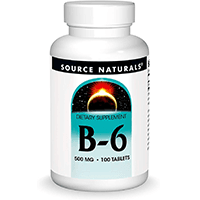
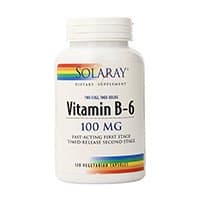
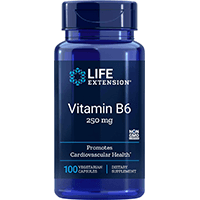
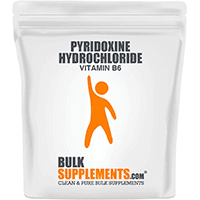
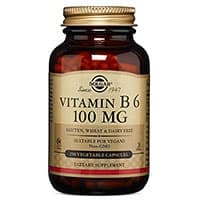
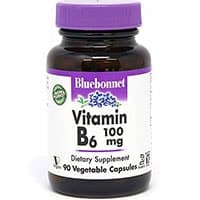
What vitamin B6 supplements are (pyridoxine, P5P, and why “more B” is not always safer)
Vitamin B6 refers to a family of compounds; supplements usually ship as pyridoxine HCl or as the coenzyme form pyridoxal-5′-phosphate (P5P). B6 participates in amino acid metabolism, neurotransmitter synthesis pathways people love to oversimplify on social media, and the same one-carbon neighborhood as folate and B12 when people talk about homocysteine—another reason B6 rarely shows up alone in real life, even when you buy a single-nutrient bottle.
B6 is also one of the few water-soluble vitamins where chronic megadoses have been linked to sensory neuropathy symptoms in case literature and clinical teaching. This guide is educational, not medical advice. If you take levodopa without carbidopa, isoniazid, or other medications where B6 dosing is medically managed, or if you already take high-B “energy” stacks, pharmacist review beats retail guesswork.
How to use this guide
The shortlist favors transparent chemical form disclosure (pyridoxine versus P5P), sane milligram amounts that do not treat UL-adjacent doses as a personality trait, and brands that warn about stacking across multivitamins, preworkouts, ZMA, and sleep blends. The sections below help you total B6 across products, choose a form without magical thinking, and avoid the most common neuropathy-risk stacking mistakes.
If you are already taking a broad B stack, vitamin B-complex supplements is the right place to sanity-check whether “add B6” is doubling what your multi already delivers. If your interest in B6 is tied to methylation or homocysteine conversations, folate supplements is the adjacent lane where form wars (methylfolate versus folic acid) dominate—B6 is a supporting character, not the whole screenplay. If you take ZMA for sleep or training recovery, remember it typically includes B6 by design—another hidden contributor when you add a standalone B6 capsule on top.
What to look for on a B6 label
Pyridoxine HCl versus P5P: evidence versus marketing
P5P is marketed as “active” B6; many people do fine on pyridoxine because the body converts forms as needed. If a brand charges a premium without clarity, ask what problem you are actually solving.
Elemental B6 math and salt weights
Labels should make daily milligrams obvious per serving. If you need a spreadsheet to find the nutrient, the brand failed.
Stacking totals across the day
B6 hides in multis, prenatals, ZMA, “hormone support” blends, and nootropic stacks. Neuropathy risk is about chronic totals, not whether each individual bottle looks innocent.
Excipients and capsule load
High-dose B6 products sometimes mean large tablets; if swallowing is hard, format matters.
Who B6 may be appropriate for (and who should be careful)
Often a reasonable fit when
- A clinician identified a documented need or a medication-induced requirement.
- You correct a narrow dietary gap with conservative dosing.
- You track totals honestly across supplements.
Use extra caution when
- You are tempted by high-milligram “PMS,” “progesterone,” or “luteal phase” internet protocols—dose discipline still matters.
- You have new tingling, burning feet, balance issues, or numbness after months of high cumulative intake—stop and evaluate.
- You take drugs where B6 is not a neutral co-pilot—especially some legacy levodopa regimens and tuberculosis therapy contexts.
Evidence expectations: nausea of pregnancy, homocysteine, and “mood stack” culture
B6 has legitimate clinical uses in specific contexts, but retail marketing often generalizes those contexts into universal “balance.” A grounded buyer stance is: match dose to documented need and total intake, not to forum enthusiasm.
Compare two B6 labels in 60 seconds
- Step 1: form named (pyridoxine vs P5P)?
- Step 2: mg per serving and servings/day obvious?
- Step 3: your multi + ZMA + energy drink vitamin panel checked?
- Step 4: UL-adjacent doses justified by a clinician, not vibes?
- Step 5: credible manufacturing/testing language?
Common mistakes that waste money (or risk neuropathy)
- Stacking B6 without totaling across blends.
- Assuming water-soluble equals “pee out the risk” for chronic high intake.
- Buying P5P premium without a reason beyond marketing adjectives.
- Ignoring new neurologic symptoms because “detox” influencers exist.
- Replacing prescribed anti-nausea therapy without obstetric guidance.
What to monitor in the first 4–8 weeks
Track tingling in fingertips and toes, gait balance changes, photosensitivity anecdotes (less central than neuropathy, but sometimes discussed), and GI tolerance. If symptoms suggest neuropathy, stop high-B stacks and seek medical evaluation—nerve symptoms are not a supplement optimization puzzle.
FAQs
How much B6 is too much?
Chronic high intake is where neuropathy concerns concentrate; public health references discuss tolerable upper intake levels that responsible labels should not treat as a dare.
Is P5P better than pyridoxine?
Not automatically; conversion and individual needs vary—price should follow evidence, not slogans.
Can B6 help morning sickness?
Some clinical guidelines discuss vitamin B6 for nausea in pregnancy at specific dose ranges—obstetric guidance wins over retail copying.
Does B6 interact with medications?
Yes in select contexts; disclose everything you take to a pharmacist when pregnancy, TB therapy, or Parkinson medications are in play.
How long should I trial one product?
If dosing is conservative and totals are sane, a few weeks may be enough to judge tolerance; if dosing is aggressive, the correct move is clinician oversight, not a longer trial.
How we shortlist products on this page
We prioritize form transparency, conservative dosing culture, stacking-risk honesty, and manufacturing credibility—especially because B6 is easy to duplicate across categories. For how we evaluate products across the site, read our methodology.
Bottom line
Vitamin B6 is a workhorse nutrient that becomes dangerous in the supplement aisle when people stack it like a video game buff. The best purchase is modest, honest, and compatible with your real total intake—not the highest milligram flex on the shelf.
If neurologic symptoms appear while taking B vitamins, treat that as a medical signal, not a brand-switching opportunity.