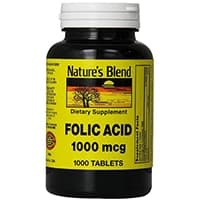
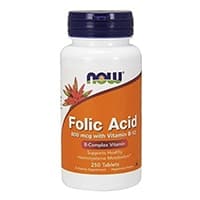
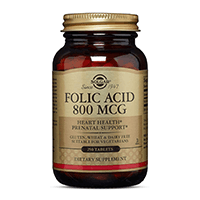
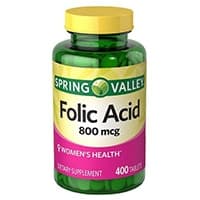
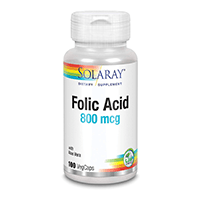
Why people shop folic acid supplements
Folic acid is the synthetic form of vitamin B9 used in many supplements and fortified foods, and it is one of the most important nutrients in preconception and early pregnancy planning. It is also widely used in general wellness and B-complex routines for red blood cell support, methylation-adjacent nutrition, and overall nutrient coverage. That broad usage makes the category look simple — but in practice, many shoppers are confused about form (folic acid vs folate), dose, and when high-dose protocols are appropriate.
The most common mistake in this category is assuming “more is always better.” In reality, folic acid decisions should match your life stage, lab context, medication profile, and clinician guidance. This is especially true if you are trying to conceive, currently pregnant, or balancing B12 status and anemia-related concerns.
This guide is educational and not medical advice. If you are pregnant, trying to conceive, have B12 deficiency risk, use methotrexate/anti-seizure medications, or have significant medical complexity, discuss folic acid supplementation with a qualified clinician before changing your routine.
How to use this guide
Use the ranked list as a clarity-and-fit filter, not as a one-size-fits-all protocol. Start by choosing your real objective:
- Preconception and early pregnancy support (most common use case)
- General B-vitamin coverage in a nutrition-support routine
- Clinician-directed higher-dose support for specific medical contexts
Then compare products by exact micrograms per serving, form clarity, and stack overlap with multivitamins or prenatal products. Many users accidentally duplicate folic acid across two or three products and lose dosing control.
If you’re comparing adjacent categories in the same decision path, see our folate supplements guide for natural/active-form B9 context, our prenatal supplements guide for full pregnancy-oriented stack planning, and our vitamin B12 supplements guide for a key paired nutrient in methylation and anemia-related routines.
For complete product-evaluation standards and ranking principles, see our methodology.
Who this category is for (and who should avoid self-prescribing high doses)
Usually a better fit for
- People planning pregnancy who want reliable B9 coverage with clear dosing.
- Users with straightforward nutrient-support goals and consistent daily routines.
- Shoppers who want simple, transparent formulas without unnecessary blend complexity.
Usually a poor fit for unsupervised high-dose use
- Anyone with possible untreated B12 deficiency (masking risk requires clinician attention).
- Users with medication interactions (especially anti-folate or anti-seizure contexts) without medical guidance.
- People expecting folic acid alone to fix unexplained fatigue or neurologic symptoms.
How to compare two folic acid labels in 60 seconds
- Step 1: Confirm form: folic acid (synthetic) vs folate forms in blended products.
- Step 2: Confirm exact dose in mcg per serving and daily serving count.
- Step 3: Check if product is standalone or already included in your prenatal/multi.
- Step 4: Check B12 pairing or whether you need separate B12 coverage.
- Step 5: Check quality/manufacturing transparency and practical monthly cost.
If the label is vague on form or dose, skip it. In pregnancy-adjacent nutrition categories, ambiguity is avoidable risk.
What to look for in a folic acid supplement
Dose clarity in micrograms
Strong products list exact folic acid amount per serving in mcg with straightforward daily directions. This matters because lifecycle goals (general support vs preconception) can require different planning contexts.
Form context: folic acid vs folate products
Folic acid is widely studied and used in fortification and prenatal protocols, while folate products often market methylated forms. Neither category is universally “best” for everyone; fit depends on your context and clinician guidance.
Stack overlap control
Folic acid frequently appears in multivitamins, prenatal blends, B-complex products, and fortified foods. If you add a standalone supplement, calculate your total intake before deciding dose changes.
B12 status awareness
This is a key practical point: B12 and folate pathways overlap clinically. If symptoms suggest anemia or neurological issues, get proper evaluation instead of self-adjusting high-dose folic acid blindly.
Quality and simplicity
In this category, simple formula design often beats “all-in-one mega blend” products that make dosage interpretation harder.
Common mistakes that waste money (or create confusion)
- Doubling folic acid unintentionally by combining prenatal + multivitamin + standalone product.
- Using high doses without context because of online “methylation hacks.”
- Ignoring B12 testing context when fatigue or neurologic symptoms are present.
- Expecting folic acid to replace comprehensive prenatal planning.
- Switching products repeatedly before giving one stable routine time to evaluate.
What to monitor in your first 2-4 weeks
If your clinician supports a trial, track:
- Adherence consistency: same dose, same timing daily.
- Stack overlap: total B9 from all supplements and fortified foods.
- Tolerance: GI response, headaches, and unusual symptom shifts.
- Goal alignment: preconception support vs general nutrition support remains clear.
- Clinical follow-up needs: anemia/neurologic concerns should be lab-guided, not supplement-guessed.
FAQs
Is folic acid the same as folate?
Folic acid is the synthetic form of vitamin B9; folate is the broader term for natural and supplemental forms. Product choice should match your clinical context and clinician guidance.
How much folic acid should I take?
Dose depends on life stage and medical context, especially for pregnancy planning. Follow your clinician’s recommendation rather than generic social-media dosing rules.
Can I take folic acid every day?
Many users do, especially in prenatal planning and routine multivitamin support. Daily use should still account for overlap from other products.
What side effects are common?
Most users tolerate folic acid well at common doses, but any persistent adverse symptom should prompt review with a clinician.
Do I need B12 with folic acid?
Often yes in broader nutrition strategy, but specifics depend on diet, labs, and clinical context. This is especially important when anemia/neurologic symptoms are involved.
Can folic acid replace prenatal supplements?
No. Prenatal needs usually involve multiple nutrients (iron, iodine, choline, DHA context, etc.), not folic acid alone.
How long should I trial one product?
If medically appropriate, keep one transparent product and stable routine for several weeks before changing.
Bottom line
Folic acid supplements can be highly useful when your goal is clear and dosing is controlled, especially in preconception and pregnancy-support planning. The best product is usually one with explicit microgram labeling, minimal blend confusion, and easy daily adherence.
Keep your routine simple, avoid accidental overlap, and use clinician guidance for high-dose or medically complex decisions. In this category, precision and consistency matter more than supplement trend-chasing.