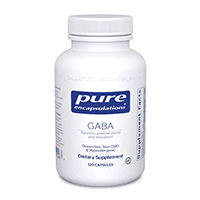
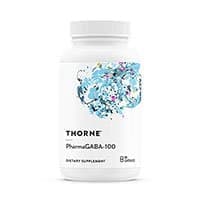
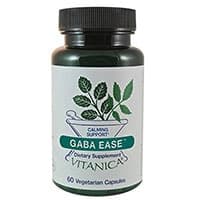
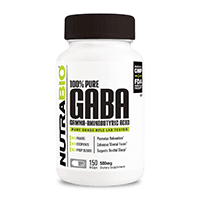
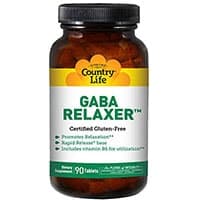
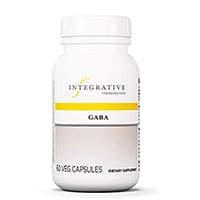
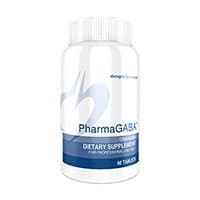
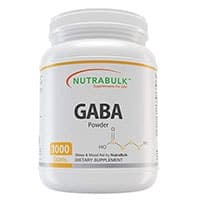
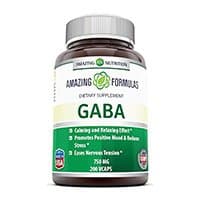
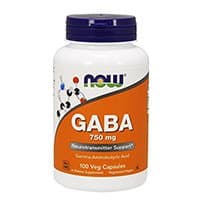
What GABA supplements are (and why the category gets debated)
GABA (gamma-aminobutyric acid) is your brain’s primary inhibitory neurotransmitter in plain biochemistry terms. Supplement brands sell GABA as capsules, powders, and chews positioned for calm focus, stress-heavy days, and easier wind-down at night. The debate online is less about whether GABA matters physiologically—it clearly does—and more about what happens when you swallow it: absorption, metabolism, and whether oral GABA meaningfully changes central signaling in the way marketing sometimes implies.
Practical takeaway for shoppers: treat GABA like any other ingredient where individual response and label honesty matter more than theory wars on forums. Some people report subjective relaxation; others notice little. The best purchase is still one with clear milligrams per serving, minimal mystery stacks, and a trial plan that does not stack five sedating variables at once.
This guide is educational, not medical advice. If you take sedatives, sleep prescriptions, anxiety medications, drink alcohol nightly, or have significant psychiatric conditions, discuss GABA with a clinician before adding it—especially if you operate vehicles or machinery on short sleep.
How to use this guide
The shortlist helps you filter for credible manufacturing, transparent dosing, and brands that do not bury tiny GABA doses inside “relaxation matrices.” The body below helps you choose a format you can use consistently, pair ingredients responsibly, and interpret effects without turning one supplement into a lifestyle superstition.
If you are building a calm-focus routine without sedation goals, theanine is the most common comparison point people cross-shop with GABA. If your bottleneck is sleep timing rather than daytime stress, melatonin is a different tool (hormone-timing logic, not a direct substitute). If your routine is mineral-forward for muscle tension and sleep support, magnesium is a parallel lane with very different form-shopping rules (citrate vs glycinate debates, elemental magnesium math).
What to look for in a GABA supplement
Milligrams per serving you can verify
GABA products range widely in dose. Your first job is knowing how many milligrams you take per day and whether the brand expects once-daily or divided dosing. If the label hides dose in a proprietary blend, move on.
Standalone GABA vs sedating stacks
Many formulas combine GABA with melatonin, valerian, hops, 5-HTP, and other actives. That can be convenient, but it makes side effects harder to interpret. For a first trial, simpler formulas usually produce clearer feedback.
Format: capsule, powder, chewable
Capsules are easiest for consistent dosing. Powders allow titration but taste matters. Chewables can improve adherence but may include sweeteners you do not want.
“Pharma GABA” and branded-source marketing
Some products emphasize a fermentation-derived source. That may be meaningful for quality consistency, but it is not a license to claim guaranteed outcomes. Prefer sourcing transparency and testing over catchy trademark stories.
Third-party testing language that means something
Look for named testing programs or clear contaminant screening scope—not decorative badges.
Who GABA is often a fit for (and who should be cautious)
Often a reasonable fit when
- You want a short, structured trial for subjective calm with stable caffeine and alcohol habits.
- You can track next-day grogginess and stop early if sedation spills into mornings.
- You are not combining multiple CNS depressants without medical awareness.
Use extra caution when
- You take benzodiazepines, Z-drugs, gabapentinoids, or other sedating prescriptions.
- You have sleep apnea, chronic lung disease, or daytime sleepiness already.
- You need to be alert within a few hours of dosing (night shifts, driving).
Compare two GABA labels in 60 seconds
- Step 1: mg GABA per serving stated plainly?
- Step 2: Other sedating actives included (melatonin, herbs, magnesium forms)?
- Step 3: Servings/day and monthly cost at your intended dose?
- Step 4: Proprietary blends hiding true dose?
- Step 5: Sugar load in chewables/gummies?
Common mistakes that waste money
- Stacking GABA + alcohol + sleep meds and treating grogginess as “it is working.”
- Changing five anxiety variables the same week (new job stress, new caffeine, new herb, new workout, new supplement).
- Buying the highest dose first before knowing GI tolerance or sedation spillover.
- Expecting stimulant-like focus from a molecule marketed around inhibition.
- Ignoring morning impairment as a safety signal.
What to monitor in the first 2–4 weeks
If your clinician agrees, track subjective stress reactivity, sleep onset, night awakenings, morning alertness, headache, GI upset, and mood changes. Stop and seek guidance for severe sedation, confusion, breathing suppression signs (when combined with other depressants), or allergic symptoms.
FAQs
Does oral GABA cross the blood-brain barrier?
That question drives a lot of online argument, and the honest answer is: it is not something you should treat like settled public-truth either way for supplement shopping. The more practical question is whether you tolerate the product and whether it helps your measured routine goals without unsafe stacking.
How much GABA should I take?
There is not one universal optimal dose. Start conservative if your clinician agrees, use one product at a time, and avoid heroic dosing because a bottle says “maximum strength.”
Can I take GABA with melatonin?
Many products combine them. If you combine them yourself, expect higher next-day grogginess risk in sensitive users. Introduce one variable at a time.
Can GABA interact with medications?
Sedation stacking is the main practical concern—sleep prescriptions, anxiety meds, alcohol, antihistamines. Pharmacist review is smart if your medication list is not simple.
Will GABA show up on a drug test?
Standard employment drug screens are not targeting GABA supplements, but if you have testing constraints, keep documentation of what you take.
Is GABA safe long term?
Some people use it intermittently; others use longer windows. Duration should match your clinician’s guidance, especially if you take sedating prescriptions.
How we shortlist products on this page
We prioritize transparent dosing, conservative stacking, manufacturing credibility, and claims that do not pretend oral supplements are identical to brain pharmacology lectures. For how we evaluate products across the site, read our methodology.
Bottom line
GABA supplements can be a reasonable trial for some adults seeking subjective calm or bedtime support—when dosing is clear, stacks are not reckless, and expectations stay grounded in personal tolerance rather than internet certainty.
If sedation, mood, or sleep problems are severe or worsening, treat that as a medical evaluation problem first—then decide whether any OTC relaxant still belongs in the plan.