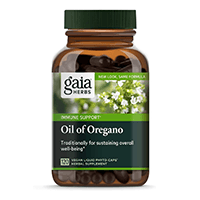
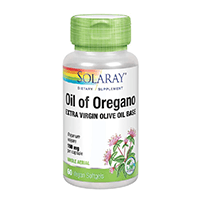
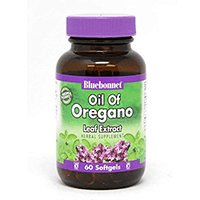
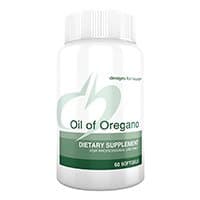
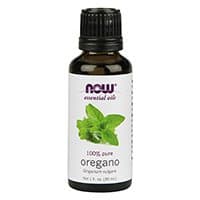
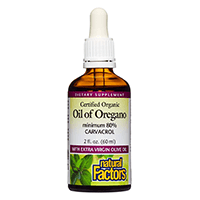
Why oil of oregano is popular (and easy to misuse)
Oil of oregano supplements are usually marketed for immune support, seasonal defense, and “natural antimicrobial” routines. The appeal is obvious: one ingredient, strong tradition, and a lot of confident online testimonials. The problem is that this category is often sold with oversimplified messaging that ignores dose strength, irritation potential, and how different product formats actually behave.
Not all “oregano” products are equivalent. Some labels use oregano leaf powder (much milder), while others use concentrated essential oil extracts standardized for compounds like carvacrol. If you buy based on brand popularity instead of chemistry and serving clarity, you can easily underdose, overdose, or choose the wrong format for your goal.
This guide is educational, not medical advice. If you are pregnant or breastfeeding, take anticoagulants or diabetes medications, have severe reflux/ulcer history, chronic GI disease, or recurrent infections that need diagnosis, consult a qualified clinician before using concentrated oil of oregano products.
How to use this guide
Use the ranked list as a quality filter: transparent labels, realistic dosing, and credible manufacturing practices. Use the body below to decide fit: whether oil of oregano matches your situation, how to compare labels quickly, and what side effects to monitor in the first couple of weeks.
If your main goal is seasonal immune support, it helps to compare adjacent categories with different evidence profiles and tolerability patterns—like echinacea, elderberry, and zinc. Those are not direct substitutes for oregano oil, but they illustrate how “immune support” can mean very different mechanisms and risk trade-offs.
What to look for in an oil of oregano supplement
True essential oil extract vs plain oregano herb
Check whether the product contains concentrated oregano oil (often from Origanum vulgare) or just dried herb powder. Both can be sold under similar names, but they are not equivalent in potency or practical use.
Carvacrol standardization
Carvacrol is commonly used as a marker compound. You do not need to chase the highest number on the shelf, but you should know if the label discloses standardization and how much active material you get per serving. No clarity usually means no fair comparison.
Delivery format and tolerance
Softgels and enteric-style capsules can be easier on the stomach than loose oils. Liquid drops offer flexibility but can irritate mucosa when used incorrectly. If you are reflux-prone, format choice matters as much as dose.
Carrier oils and excipients
Many products dilute oregano essential oil in olive oil or other carriers. That is normal, but the label should still make concentration clear. “Proprietary blend” language in this category is a red flag.
Reasonable cycle expectations
People often use oil of oregano in short, targeted windows rather than indefinite daily use. Long-term routines should be clinician-guided, especially if GI symptoms, recurrent infections, or medication interactions are in the picture.
Who this category is for (and who should pause)
Often reasonable for
- Adults who want short-term, conservative trials with clearly labeled products.
- Users who can monitor GI tolerance and avoid stacking aggressive antimicrobials all at once.
- Shoppers who prioritize quality testing and dose transparency over “max strength” marketing.
Use caution or avoid unsupervised use if
- You have active ulcers, severe reflux, inflammatory GI conditions, or high GI sensitivity.
- You are trying to self-treat repeated infections without medical workup.
- You take medications with interaction potential and have not reviewed timing/safety with a pharmacist.
How to compare two labels in 60 seconds
- Step 1: Is it oregano essential oil extract or just oregano leaf powder?
- Step 2: Is carvacrol (or equivalent marker) disclosed per serving?
- Step 3: Is the dose in a softgel/capsule format that matches your tolerance?
- Step 4: Are carrier oils and other ingredients clearly listed?
- Step 5: Are warnings present for pregnancy, GI irritation, and medication interactions?
Common mistakes that waste money (or irritate your gut)
- Assuming all oregano products are equally potent when one is herb powder and another is concentrated oil.
- Taking undiluted drops incorrectly and then blaming “allergy” for predictable irritation.
- Stacking multiple “natural antimicrobials” at once without a clear reason or monitoring plan.
- Using supplements to delay diagnosis of persistent sinus, urinary, skin, or GI symptoms.
- Buying highest-carvacrol formulas first instead of starting with tolerable, transparent dosing.
What to monitor in a 2-4 week trial
If your clinician supports a trial, track GI symptoms (heartburn, abdominal discomfort, stool changes), throat/mouth irritation, skin responses, and any dizziness or unusual fatigue. Keep other major variables stable enough to interpret what changed. Stop and seek medical guidance for severe abdominal pain, persistent vomiting, signs of allergic reaction, or worsening symptoms that suggest an untreated infection.
FAQs
Is oil of oregano the same as oregano spice?
No. Culinary oregano and concentrated oregano essential oil supplements are very different in potency and use context. A supplement label should make that distinction obvious.
Can oil of oregano replace antibiotics?
No. Do not treat serious or persistent infections with supplements alone. Oil of oregano may be used as supportive care in some routines, but it is not a substitute for evidence-based medical treatment when indicated.
Should I take oil of oregano every day long term?
Many people use it in shorter windows rather than year-round daily use. Long-term use decisions should be individualized with clinician input, especially if you have GI sensitivity or medication complexity.
What side effects are most common?
GI irritation, reflux flare, throat discomfort (especially with improper liquid use), and occasional intolerance reactions are common discussion points. Format and dose often determine whether users tolerate it.
Can oil of oregano affect gut microbiome balance?
This is a common concern and one reason conservative, time-limited use is often preferred over continuous high-dose routines. If microbiome support is your primary goal, strategy usually includes diet and broader gut-support fundamentals, not one aggressive ingredient indefinitely.
Is it safe during pregnancy or breastfeeding?
Concentrated essential oil supplements are not a casual self-prescription in pregnancy or breastfeeding. Use only with clinician guidance.
How we shortlist products on this page
We focus on transparent active disclosure, realistic serving instructions, manufacturing credibility, and brands that avoid exaggerated anti-infection promises. Products should help readers make safer, clearer decisions—not amplify fear-based marketing. For full sitewide criteria, see our methodology.
Bottom line
Oil of oregano can be a useful short-term tool for some adults when products are clearly labeled and used conservatively. The best choice is usually not the loudest “max strength” formula—it is the one you can dose responsibly with good tolerance and clear expectations.
If symptoms are persistent, severe, or recurrent, prioritize diagnosis and treatment planning with a clinician. Supplements can support a plan; they should not replace one.