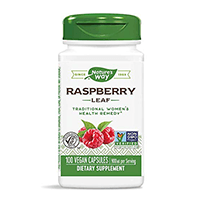
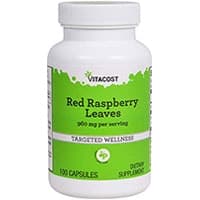
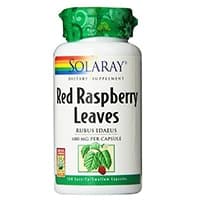
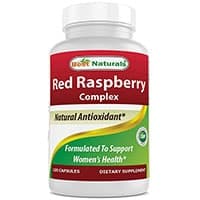
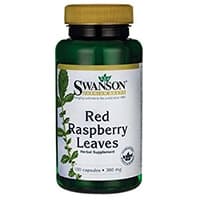
Why people shop red raspberry leaf supplements
Red raspberry leaf (typically from Rubus idaeus leaf) is one of the most searched herbal categories in women’s wellness, especially around menstrual comfort and pregnancy-adjacent discussions. Many people first encounter it through tea traditions, then move to capsules, tinctures, or standardized extracts for convenience and stronger routine control. That shift matters: food-like tea use and concentrated supplement use are not the same thing.
This category is often marketed with broad “uterine tone,” cycle support, and labor-prep language, but evidence quality and clinical context are mixed. The best buying strategy is to treat red raspberry leaf as a context-dependent botanical, not a one-size-fits-all “must-have” for every stage of reproductive health.
This guide is educational and not medical advice. If you are pregnant, trying to conceive, have high-risk pregnancy factors, history of preterm labor, uterine bleeding concerns, fibroids, endometriosis, or hormone-sensitive conditions, discuss this category with a qualified clinician before starting. Pregnancy use timing and suitability are individualized decisions — not social media defaults.
How to use this guide
Use the ranked list as a quality and suitability filter, not as a treatment protocol. Start by identifying your actual goal:
- Cycle comfort support outside pregnancy contexts
- Pregnancy-adjacent consideration under clinician guidance
- General women’s wellness routine where tea vs capsule format matters
Once your goal is clear, evaluate products by plant-part disclosure, extract transparency, serving schedule, and your ability to follow the protocol consistently. If you already use multiple women’s-health products, check overlap before adding another botanical.
For adjacent categories often compared in this decision space, see our prenatal supplements guide for foundational pregnancy-nutrition context, our folate supplements guide for neural-development nutrient support discussions, and our iron supplements guide for anemia/fatigue-adjacent routines that frequently overlap in pregnancy planning.
For full product-evaluation standards used across the site, see our methodology.
Who this category is for (and who should avoid DIY use)
Usually a better fit for
- Users with a clear, conservative goal and willingness to monitor response over time.
- People who prefer transparent single-herb formulas over “women’s complex” blends.
- Shoppers working with a clinician when pregnancy or high-risk history is part of the picture.
Usually a poor fit for unsupervised use
- Anyone with high-risk pregnancy features or history of preterm complications.
- Users with significant unexplained bleeding or unresolved pelvic pain.
- People expecting one herb to replace prenatal care, nutrition adequacy, or medical monitoring.
How to compare two red raspberry leaf labels in 60 seconds
- Step 1: Confirm ingredient is red raspberry leaf (not fruit powder or vague berry blend).
- Step 2: Confirm exact amount per serving and whether it is whole leaf powder vs extract.
- Step 3: Check serving schedule and whether it is realistic for your daily routine.
- Step 4: Check blend complexity (standalone vs multi-herb reproductive formula).
- Step 5: Check caution statements for pregnancy, medication overlap, and quality transparency.
If dose details are vague or the product relies on heavy “feminine balance” marketing without numbers, skip it.
What to look for in a red raspberry leaf supplement
Leaf-specific transparency
High-quality products clearly specify red raspberry leaf and amount per serving. Some labels emphasize raspberry branding while minimizing actual leaf content clarity.
Format matched to your real routine
Tea can be gentle and ritual-friendly but less precise on extract concentration; capsules are often easier for consistency and tracking. Neither is automatically superior — choose based on adherence and context.
Single-ingredient vs reproductive blends
Many products combine red raspberry leaf with chasteberry, black cohosh, dong quai, or evening primrose oil. Blends may be convenient but make tolerability interpretation harder, especially when cycle symptoms are variable.
Pregnancy-context caution and timing discipline
If pregnancy use is being considered, clinician guidance is non-negotiable. Timing, dose, and suitability can differ materially by trimester and risk profile.
Quality and testing transparency
Look for sensible manufacturing and quality statements (identity and contaminant controls where available). In women’s health categories, trust in label integrity is part of safety.
Common mistakes that cause frustration (or risk)
- Using social media timing rules as medical advice. What worked for one person is not your protocol.
- Stacking multiple hormone- and cycle-oriented botanicals at once. This reduces interpretability and can increase side-effect noise.
- Ignoring persistent pain, heavy bleeding, or contraction concerns. These require clinical review, not supplement escalation.
- Buying products that hide actual leaf/extract amount. If you cannot measure, you cannot compare.
- Expecting immediate dramatic effects. Cycle-related outcomes are often gradual and influenced by sleep, stress, and nutrition.
What to monitor in your first 2-4 weeks
If your clinician supports a trial, track:
- Primary symptom target: cramp intensity, cycle comfort, digestive response, or sleep quality.
- Tolerance: GI changes, headaches, unusual bleeding pattern shifts.
- Routine consistency: dose timing and adherence quality.
- Stack overlap: avoid adding new hormone-adjacent products mid-trial.
- Pregnancy-relevant concerns: any contractions, bleeding, or concerning symptoms should trigger immediate clinical follow-up.
FAQs
What is red raspberry leaf used for?
It is commonly used in cycle and pregnancy-adjacent wellness discussions, especially in tea traditions. As a supplement, it should be considered contextually and not as a universal requirement.
Is red raspberry leaf safe in pregnancy?
Safety and timing are individualized. Use in pregnancy should always be discussed with a qualified prenatal clinician, especially if there are any risk factors.
Is tea the same as capsule supplements?
No. Tea and concentrated supplements differ in potency and dosing precision. Choose intentionally based on your goal and medical context.
What side effects are commonly discussed?
Some users report GI discomfort, cramping changes, or cycle-pattern shifts. Responses vary by dose, format, and timing.
Can I combine red raspberry leaf with evening primrose oil?
Some users do, but combining reproductive-health herbals/oils should be deliberate and ideally clinician-reviewed, especially in pregnancy planning.
How long should I trial one product?
If medically appropriate, keep one product and routine stable for several weeks before judging. Frequent product-switching weakens conclusions.
Can this replace prenatal nutrition or prenatal care?
No. Prenatal care, core nutrient adequacy, and clinician monitoring remain central. Botanicals are adjuncts, not replacements.
Bottom line
Red raspberry leaf supplements can be a reasonable option for some users when chosen carefully, but this is not a category for casual “everyone should take this” advice. The best product is usually one with clear leaf/extract disclosure, practical dosing, and a context-appropriate plan.
If pregnancy is involved, clinician guidance comes first. Keep your routine simple, track meaningful symptoms, and avoid stacking multiple reproductive-health products at once unless advised by your care team.