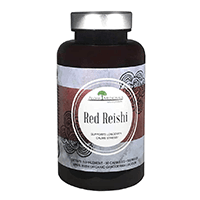
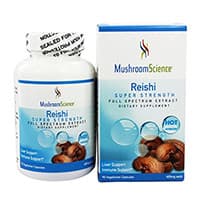
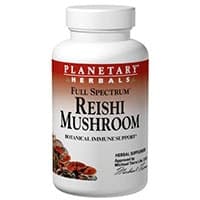
What reishi mushroom supplements are supposed to do
Reishi (Ganoderma lucidum and closely related species sold under similar names) is one of the most famous medicinal mushrooms, usually marketed for stress resilience, sleep quality, immune-season support, and general “longevity” framing. In supplements, you will see powders, capsules, tinctures, and coffees—often with language about beta-glucans, triterpenes, and “dual extracts.”
The category’s real shopping problem is not mystique—it is material honesty: fruiting body versus myceliated grain, extract type (hot water, alcohol, or both), and whether the label quantifies anything meaningful per serving. Two products can both say “reishi” while delivering very different chemistry and very different value.
This guide is educational, not medical advice. If you take anticoagulants or antiplatelet drugs, have hypotension, are pregnant or breastfeeding, have liver disease, take immunosuppressants, or have autoimmune conditions, discuss reishi with a clinician before starting—especially if you combine multiple immune or adaptogen products.
How to use this guide
Use the shortlist to filter for transparent sourcing, credible testing, and brands that explain what you are buying in plain milligrams—not only poetic forest branding. Use the body below to match product type to your goal (sleep support versus immune marketing) and to avoid paying premium prices for mostly carrier powder.
If you are comparing functional mushrooms, cordyceps is the closest parallel on most shelves (different traditional use, different tolerability). If your cart is drifting into immune-season botanicals, astragalus and elderberry are useful contrasts for how “immune support” language can hide very different interaction and sugar-load realities.
What to look for in a reishi supplement
Fruiting body vs mycelium on grain (read this twice)
Some products use mushroom fruiting bodies; others use mycelium grown on grain, which can dilute the product with starch-forward substrate if manufacturing is mediocre. Neither approach is automatically fraudulent—but transparency matters. If the label cannot explain the material clearly, assume you cannot compare potency.
Hot water extract, alcohol extract, or dual extract
Marketing loves “dual extract” because different compounds dissolve better in water versus ethanol. What you actually need is a label that ties extraction method to measurable markers per serving—not a vibe.
Beta-glucan claims that mean something
Beta-glucan percentages can help compare serious products, but only when tied to serving math and honest testing. A percentage on a bottle with no context is decoration.
Powder vs capsule vs tincture
Capsules win for consistent dosing. Powders can be economical for smoothies but vary in bitterness. Tinctures may include alcohol—fine for some users, a non-starter for others.
Standalone reishi vs giant adaptogen blends
Blends are not automatically bad, but they make attribution impossible. If your goal is to learn whether you tolerate reishi, start simpler.
Who reishi is often a fit for (and who should pause)
Often a reasonable fit when
- You want a conservative trial for subjective stress or sleep support with a transparent extract label.
- You can track morning grogginess, GI tolerance, and blood pressure symptoms if relevant.
- You are not immunosuppressed and are not stacking many sedating or bleeding-risk agents blindly.
Use extra caution when
- Transplant-level immunosuppression, biologics, or oncology regimens—this is specialist territory.
- Active bleeding risk, upcoming surgery, or anticoagulant polypharmacy.
- Pregnancy or breastfeeding without clinician-directed choices.
Compare two reishi labels in 60 seconds
- Step 1: Fruiting body vs mycelium—stated plainly?
- Step 2: Extraction method (water/alcohol/dual) disclosed?
- Step 3: Beta-glucans or other markers per serving with math?
- Step 4: Servings/day and monthly cost at your dose?
- Step 5: Proprietary blends hiding the reishi fraction?
Common mistakes that waste money
- Buying “mushroom complex” defaults without knowing the reishi dose.
- Confusing coffee mixes for medicinal dosing (delicious ≠ clinical transparency).
- Stacking reishi + sedatives + alcohol and blaming “bad sleep genetics.”
- Ignoring blood pressure symptoms if you already run low.
- Expecting stimulant energy—reishi is more often sold as calming support.
What to monitor in the first 2–4 weeks
If your clinician agrees, track sleep latency and morning alertness, stress perception, GI comfort, headache, dizziness on standing, and unusual bruising if bleeding risk exists. Stop for severe allergic symptoms, yellowing skin/eyes, persistent vomiting, or fainting—and seek urgent care when symptoms are severe.
FAQs
Does reishi help sleep?
Some users report calmer evenings; evidence is not as tidy as a single-drug sleep aid narrative. A realistic goal is mild support alongside sleep hygiene—not guaranteed sedation.
Is reishi an immune booster?
Marketing loves that phrase, but immune modulation is context-dependent. Immunosuppressed patients should not treat mushrooms as neutral “nutrition” without specialist input.
Can reishi interact with blood thinners?
This is a pharmacist conversation if you take anticoagulants or antiplatelet medications, especially with polypharmacy or upcoming procedures.
Fruiting body vs mycelium—which is better?
Better is the one with transparent material, honest testing, and a dose you can interpret. Either can be good or bad depending on manufacturing quality.
Will reishi upset my stomach?
Some people get GI discomfort, especially with powders or higher doses. Taking with food and conservative titration helps some users.
How long should I trial one product?
If medically appropriate, use one transparent product for 2–4 weeks with stable caffeine, alcohol, and sleep habits before judging.
How we shortlist products on this page
We prioritize material transparency, meaningful beta-glucan or extract disclosure, manufacturing credibility, and conservative safety framing for immune-active and bleeding-risk contexts. For how we evaluate products across the site, read our methodology.
Bottom line
Reishi can be a reasonable option for some adults when the product clearly states what part of the mushroom you are buying, how it was extracted, and what you get per serving. The best purchases are usually boring: transparent sourcing, honest testing, and a routine you can sustain without stacking unknowns.
If you are immunosuppressed, bleeding-prone, or medically complex, treat reishi like a serious add-on—not a forest-themed multivitamin.