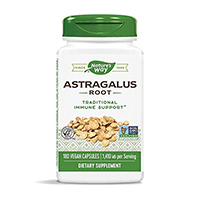
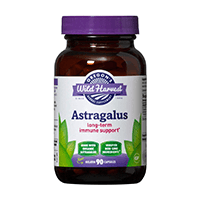
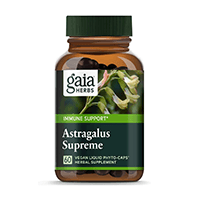
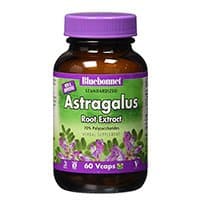
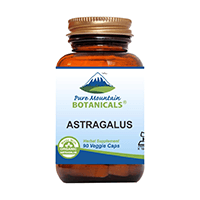
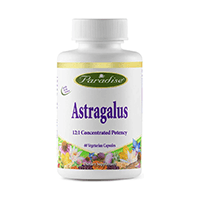
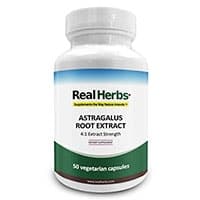
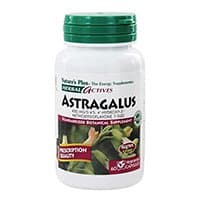
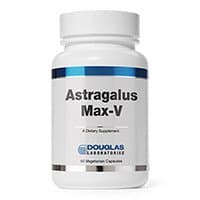
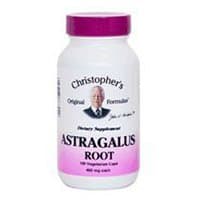
What astragalus supplements are (and why “immune support” needs translation)
Astragalus usually refers to root preparations from Astragalus membranaceus (Huang qi in traditional Chinese herbal contexts). In supplements, you will most often see powdered root, root extracts, or standardized extracts marketed for immune season support, vitality, and sometimes cardiovascular-adjacent wellness language.
The buyer trap is familiar: “immune support” sounds universal, but astragalus is not a vitamin-like plug-in with one clean mechanism. Products differ in plant part, extraction, marker standardization (when present), and whether the label is honest about dose. The second trap is medical context—autoimmunity and immunosuppression are places where “immune herbs” are not neutral background noise.
This guide is educational, not medical advice. If you take transplant anti-rejection medications, biologics, high-dose steroids, chemotherapy, or have autoimmune disease, do not start astragalus without clinician guidance. If you have persistent infections, fevers, or unexplained symptoms, prioritize diagnosis over stacking botanicals.
How to use this guide
The shortlist helps you compare products on transparency: clear A. membranaceus identity, credible extract disclosure, manufacturing seriousness, and brands that do not bury astragalus in proprietary “shield” blends. The body below helps you decide whether astragalus matches your intent and how to trial it without turning your supplement cabinet into an uncontrolled experiment.
If you are shopping seasonal immune botanicals, compare label habits across categories: echinacea (species/part variability is the headline issue), elderberry (syrup sugar loads and format pitfalls), and olive leaf (polyphenol standardization and blood-pressure sensitivity in some users). Astragalus belongs in the same “read twice, stack carefully” cluster—even when marketing sounds gentle.
Who astragalus is often a fit for (and who should avoid DIY use)
Often a reasonable fit when
- You want a conservative trial with a transparent root extract and stable lifestyle habits.
- You are not immunosuppressed and do not have active autoimmune flares you are self-managing.
- You can track tolerance (GI upset, headache, sleep changes) and stop early if needed.
Usually a poor DIY fit when
- Transplant recipients, cancer immunotherapy contexts, or complex immunosuppressive regimens.
- Autoimmune disease without specialist input.
- Pregnancy or breastfeeding without clinician-directed choices.
What to look for in an astragalus supplement
Botanical identity: Astragalus membranaceus root
Look for the Latin name and root-focused language. If the label is vague (“astragalus complex,” proprietary blend totals), you cannot know what you are taking.
Extract disclosure versus plain powder
Root powder and concentrated extracts are different products with different potency expectations. Price should match category: do not pay extract prices for vague powder with no standardization story.
Standardization markers (helpful when honest)
Some products discuss polysaccharide fractions or other markers depending on the extract. You do not need to memorize chemistry, but you should prefer per-serving clarity over marketing percentages floating without milligrams.
Standalone astragalus vs immune shotgun blends
Blends are common and not automatically bad, but they make attribution hard. If your goal is to learn whether you tolerate astragalus, simpler formulas usually produce clearer feedback.
Manufacturing and contaminant seriousness
Root botanicals deserve identity testing and sensible contaminant screening. Prefer brands that describe testing scope meaningfully—not decorative badges.
Compare two astragalus labels in 60 seconds
- Step 1: Astragalus membranaceus + root stated?
- Step 2: mg per serving and servings per day—monthly cost?
- Step 3: Extract type / standardization maps to serving math?
- Step 4: Hidden proprietary blends?
- Step 5: Contraindication language for immune conditions—not silent labels?
Common mistakes that waste money (or create real risk)
- Treating “adaptogen” as “safe for everyone,” especially with autoimmune or transplant histories.
- Stacking multiple immune botanicals during the same illness week.
- Using astragalus to postpone care for persistent fever, night sweats, weight loss, or recurrent infections.
- Buying giant tubs before knowing GI tolerance.
- Ignoring medication timing when you take many oral prescriptions.
What to monitor in the first 2–4 weeks
If your clinician agrees to a trial, track GI comfort, sleep, energy, headache, skin changes, and any unusual infection frequency. Stop and seek guidance for severe rash, facial swelling, breathing difficulty, persistent high fever, or symptoms that suggest an underlying condition is progressing—not “detox.”
FAQs
What is astragalus used for?
Marketing often emphasizes immune resilience, seasonal support, and general vitality. Human evidence is mixed and depends on extract type and study design, so personal trials should stay conservative and medically aware.
Does astragalus “boost” the immune system?
That phrase is more marketing than mechanism. In real medical contexts, “immune modulation” can be harmful if your immune system is supposed to be suppressed on purpose. This is why blanket reassurance is unsafe.
Can astragalus interact with medications?
The highest-stakes concern is immunosuppressive therapy and complex polypharmacy. Bring the exact product label to a pharmacist if you take prescription medications—especially transplant and oncology drugs.
Is astragalus safe long term?
Some people use it seasonally; others use longer windows. Duration should match your medical context. If there is no clear benefit after a disciplined trial, continuing indefinitely is usually inertia.
Can I take astragalus with echinacea or elderberry?
People do, but stacking increases complexity and side-effect attribution problems. If you stack, do it with clinician awareness—not because a label printed a cartoon shield.
Is astragalus safe in pregnancy?
Do not self-prescribe. Pregnancy decisions belong to a clinician who knows your full history.
How we shortlist products on this page
We prioritize botanical identity, honest serving disclosure, manufacturing credibility, and conservative safety framing for immune-active herbs. For how we evaluate products across categories, read our methodology.
Bottom line
Astragalus can be a reasonable option for some adults in low-risk contexts when labels are transparent and expectations are modest. It is not a universal immune upgrade, and it is not appropriate DIY medicine for transplant, oncology, or autoimmune treatment plans unless your specialist explicitly agrees.
If your immune system is medically “managed,” treat new herbs like new drugs: paperwork, timing, and professional sign-off—not forum confidence.