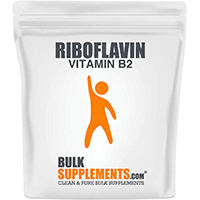
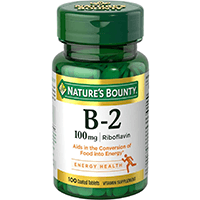
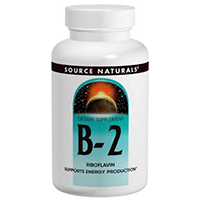
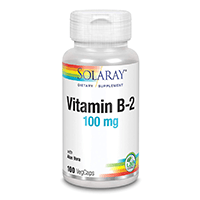
Why people shop riboflavin supplements
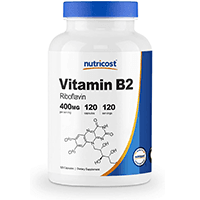
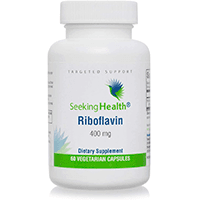
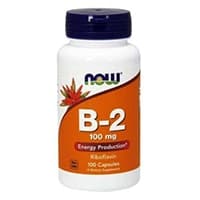
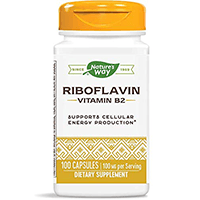
Riboflavin (vitamin B2) is a water-soluble B vitamin involved in cellular energy production, redox biology, and normal nervous-system function. Most shoppers arrive in this category for one of three reasons: they want basic B-vitamin coverage, they are building a clinician-guided migraine-support routine, or they are trying to improve an overall “energy metabolism” stack without heavy stimulants. The challenge is that many B2 products look interchangeable while differing in dose intensity, capsule count, and formula design.
This category can be deceptively simple. A label that says “vitamin B2” is not always a practical match for your goal. One product may be low-dose daily maintenance, another may be high-dose protocol style, and a third may bury riboflavin in a broad B-complex where you cannot control individual amounts cleanly. If you want useful outcomes, you need precise label reading and a routine you can sustain.
This guide is educational and not medical advice. If you have recurring severe headaches, neurological symptoms, liver or kidney disease, pregnancy/breastfeeding considerations, or complex medication use, discuss riboflavin supplementation with a qualified clinician before changing your regimen.
How to use this guide
Use the shortlist as a transparency and usability filter, not as a diagnosis or treatment protocol. Begin by choosing your intent clearly:
- Foundational nutrient support: conservative B2 intake to complement diet.
- Targeted routine support: structured higher-dose protocols under clinician guidance (common in headache discussions).
- Stack optimization: adding B2 while avoiding overlap across multis, B-complexes, and performance formulas.
After you define your intent, compare products by dose per serving, serving frequency, and whether the formula is standalone or bundled. If your routine already includes a multivitamin or B-complex, calculate total riboflavin from all products before buying another bottle.
For adjacent categories often compared in energy and headache-support routines, see our magnesium supplements guide and our CoQ10 supplements guide. If you are comparing broader B-vitamin stack logic, read our vitamin B1 supplements guide to avoid accidental overlap-driven complexity.
For full ranking criteria and how product quality is evaluated across the site, see our methodology.
Who this category is for (and who should pause)
Usually a good fit for
- People who want a clean, transparent B2 product without stimulant-heavy “energy blend” extras.
- Users following a clinician-informed routine and willing to keep timing and intake consistent.
- Shoppers who prefer straightforward labels and low-friction adherence.
Usually a poor fit for unsupervised high-dose experimentation
- Anyone using multiple B-complex products without clear total-intake tracking.
- People with unexplained severe neurological or headache symptoms who have not had proper medical evaluation.
- Users expecting one vitamin to compensate for chronic sleep debt, dehydration, or high stress load.
How to compare two riboflavin labels in 60 seconds
- Step 1: Check exact riboflavin (B2) amount per serving.
- Step 2: Check serving frequency (once daily vs multiple capsules).
- Step 3: Check whether it is standalone B2 or part of a B-complex.
- Step 4: Check overlap with your multivitamin, pre-workout, or energy drink powder.
- Step 5: Check manufacturing transparency and practical monthly cost.
If dose clarity is vague or buried in proprietary blends, skip it.
What to look for in a riboflavin supplement
Clear B2 amount per serving
Transparent products list exact milligrams of riboflavin and simple serving guidance. This matters more than packaging claims like “ultra energy support,” which often add marketing noise without improving label quality.
Standalone vs B-complex format
Standalone B2 products are easier to control and evaluate. B-complex products can be convenient but may introduce unnecessary overlap in B6, B12, niacin, and folate depending on your existing stack.
Dose intensity matched to your goal
A maintenance goal and a targeted protocol are different use cases. Pick a product that matches your real intent. Overbuying high-dose formulas for a basic nutrition goal is a common way to add complexity without clear benefit.
Capsule burden and adherence
If your product requires multiple capsules and your routine is already crowded, adherence may drop. A slightly less “aggressive” label that you can follow daily is often better than a perfect-on-paper formula you skip regularly.
Simple excipients and quality signals
Prefer products with clean inactive-ingredient lists and reasonable manufacturing transparency. In vitamin categories, boring reliability usually beats flashy branding.
Common mistakes that waste money
- Doubling up unintentionally. Riboflavin appears in multis, B-complexes, and energy products; overlap is common.
- Buying by “energy” marketing language. Label clarity and dose fit matter more than slogans.
- Expecting immediate transformation. Nutrient routines support systems over time; they are not instant stimulants.
- Ignoring hydration, sleep, and caffeine hygiene. Those fundamentals often drive outcomes more than adding another capsule.
- Using supplements to delay workup of concerning symptoms. New severe headaches, focal neurological signs, or major fatigue changes need clinical assessment.
What to monitor in your first 2-4 weeks
If your clinician supports a trial, track:
- Adherence consistency: same dose and timing most days.
- Tolerance: GI comfort, headache pattern changes, and general daily comfort.
- Stack overlap: total B2 across all supplements and fortified products.
- Lifestyle stability: sleep, hydration, and caffeine patterns so your trial data is meaningful.
- Goal-relevant trends: energy steadiness, headache frequency/intensity (if that is your use case), and routine sustainability.
FAQs
What is riboflavin used for?
Riboflavin supports normal energy metabolism and related cellular processes. In supplement use, it is commonly chosen for foundational nutrition support and in some clinician-guided headache routines.
Is high-dose riboflavin always better?
No. Better means “appropriate for your context.” High-dose protocols are not automatically superior for general maintenance needs.
Why does riboflavin change urine color?
Bright yellow urine is a common harmless effect with riboflavin intake and reflects excretion of excess water-soluble vitamin.
Can I take riboflavin with other B vitamins?
Yes, many people do, but check total overlap. Multiple B products can add up quickly and reduce clarity in your routine.
How long should I trial one product?
If medically appropriate, keep one product and routine stable for several weeks before judging. Rapid switching usually weakens decision quality.
Can riboflavin replace migraine treatment?
No. If headaches are frequent or severe, clinician-guided care is essential. Supplements may be adjuncts, not replacements for diagnosis and treatment planning.
What if I already eat a nutrient-dense diet?
You may need less supplemental intensity. In that case, conservative dosing and clean labels usually make more sense than aggressive stack-building.
Bottom line
Riboflavin supplements can be a smart, low-drama addition when your goal is clear and your product label is transparent. The best choice is usually a straightforward formula with practical dosing, minimal overlap, and a routine you can sustain consistently.
If your symptoms are complex or worsening, prioritize medical evaluation first and use supplements as structured adjuncts. In this category, precision and consistency outperform hype.