Who this rooibos tea guide is for
Rooibos is a caffeine-free herbal tea people choose for everyday hydration, evening routines, and antioxidant-forward tea habits without the stimulant load of traditional tea. Shopping the category is less about “which tea is magical” and more about quality, cleanliness, flavor consistency, and value per cup.
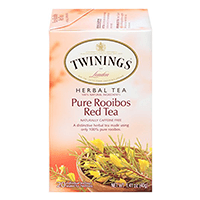
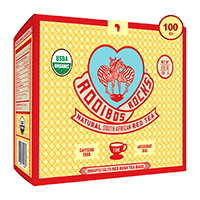
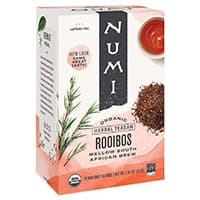
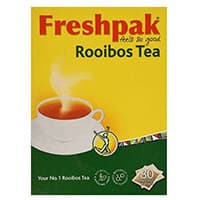
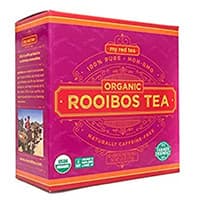
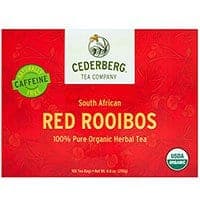
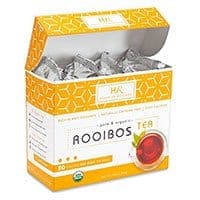
This page is for adults comparing rooibos tea products in a practical way. The ranked list above is your shortlist; this article helps you evaluate cut quality, organic certification cues, bagged vs loose formats, and what you are actually paying per serving.
Tea is food-adjacent: if you have allergies, follow packaging guidance. If you have medical concerns about herbal intake, ask a clinician.
How to use this page
Select 2-3 finalists from the ranked products above, then compare them using the criteria below—especially ingredient simplicity (pure rooibos vs blends), flavor additives, and whether the product is positioned as everyday drinking tea or a “wellness blend” with extra botanicals.
If you are cross-shopping antioxidant-forward teas, compare label habits with green tea extract products for a different baseline on how brands communicate polyphenol positioning—different category, same buyer skepticism.
What to look for in a rooibos tea
1) Purity vs blends
Plain rooibos should be easy to understand: rooibos as the primary ingredient. Blends can be great, but only when you actually want the added ingredients and the flavor profile matches your routine.
2) Bagged convenience vs loose-leaf control
Bagged tea wins on speed and consistency; loose leaf can win on value and customization. Choose based on your real life, not your idealized tea ritual.
3) Flavor quality and daily drinkability
The best rooibos is the one you will drink often enough to matter. Harsh, dusty, or inconsistently cut product quality reduces adherence fast.
4) Cross-comparing other caffeine-free botanical teas
If you are deciding between rooibos and other caffeine-free options, compare product clarity with hibiscus teas and supplements as a parallel lane where buyers often weigh tartness, blends, and purity similarly.
5) Antioxidant stack overlap (when relevant)
If you already take concentrated polyphenol supplements, tea can still be a great habit—but your stack should stay coherent. For a supplement-side comparison point, review how people evaluate dose transparency in quercetin supplements so you do not double-count “healthy” categories without intention.
6) Cost per cup
Convert price to cost per cup or per pot using serving counts on the label. A premium bag is not premium if you need three bags per mug to get flavor.
Common mistakes to avoid
- Buying novelty blends when you wanted plain rooibos.
- Ignoring cut quality and dustiness.
- Overpaying for packaging. Judge value per serving.
- Assuming all rooibos tastes the same. Sourcing and processing vary.
- Stacking redundant polyphenol products without a plan.
FAQs
Does rooibos have caffeine?
Traditional rooibos is caffeine-free. If a blend includes caffeinated ingredients, the label should say so—verify blends carefully.
Is organic rooibos worth it?
Depends on your priorities. If organic certification matters to you, look for clear certification labeling rather than vague language.
How do you rank tea products?
See our methodology page.
Bottom line
The best rooibos tea is the one with the quality, flavor consistency, and per-cup value that matches your daily routine—usually plain rooibos if you want predictability, blends if you want variety.