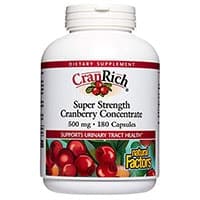
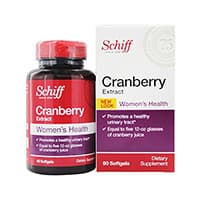
What cranberry supplements are trying to do (and what they cannot replace)
Cranberry supplements are usually made from concentrated Vaccinium macrocarpon fruit extracts standardized around proanthocyanidins (PACs), especially the PAC types discussed in urinary-tract marketing. The common shopper goal is simple: fewer uncomfortable urinary episodes, less “UTI anxiety,” and a sense of control during travel, intimacy, menopause-related changes, or recurrent infection seasons.
The evidence picture is mixed: some trials suggest benefit for recurrent UTI prevention in certain populations; others are less convincing, and product quality varies wildly. None of that makes cranberry “fake,” but it does mean you should buy like an adult: PAC transparency, sugar-free formats when possible, and zero tolerance for using supplements instead of antibiotics when you have an active infection.
This guide is educational, not medical advice. If you have fever, flank pain, blood in urine, pregnancy-related urinary symptoms, kidney stones, or recurrent infections, get medical care—cranberry is not a substitute for diagnosis or prescribed therapy. If you take warfarin or have complex medication lists, ask a pharmacist about interactions before committing to high-dose concentrated products.
How to use this guide
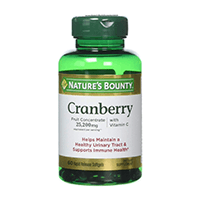
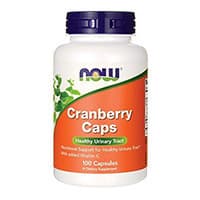
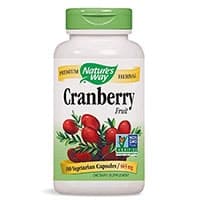
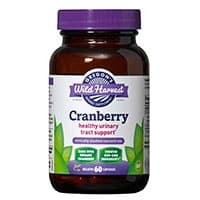
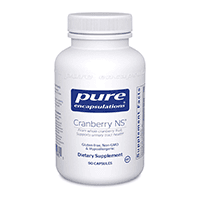
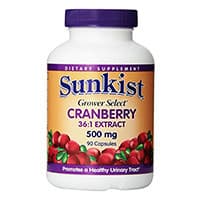
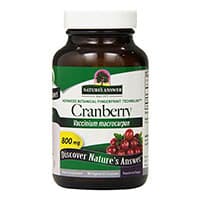
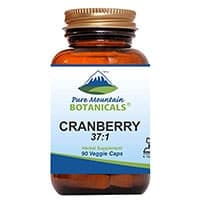
The shortlist helps you filter for honest PAC disclosure per serving, credible manufacturing, and brands that do not hide weak cranberry powder inside “urinary detox” proprietary blends. The body below helps you match format to your life (capsules versus gummies versus juice-adjacent products) and avoid paying for sugar while thinking you bought medicine.
If your prevention strategy is microbiome-forward, probiotics are a different mechanism lane people often combine with cranberry conversations—useful context, not a duplicate solution. If you are sanity-checking total “immune vitamin” intake across products, review overlap with vitamin C so you are not accidentally megadosing across multis, powders, and fizzy drinks. If you are comparing polyphenol-heavy fruit extracts more broadly, pomegranate is a parallel label-reading exercise in standardized extracts versus sugary juices.
What to look for in a cranberry supplement
PACs per day that you can actually verify
Look for PAC content tied to a daily serving, not a vague “36 mg PAC” claim on the front label without serving context. If PAC is not quantified, cross-brand comparison is guesswork.
Extract strength versus cheap fruit powder
Some products are mostly dried cranberry with minimal extract logic. If you pay extract prices, you should see extract thinking on the label.
Gummies, chews, and “juice” formats: read added sugar
Gummies can improve adherence but can also deliver surprising sugar per day. If your goal is long-term prevention, sugar load can become the dominant health story.
Standalone cranberry vs urinary mega-blends
Blends with D-mannose, uva-ursi, dandelion, vitamin C, probiotics, and more are common. They can be convenient, but they make attribution harder and increase interaction complexity.
Manufacturing and contaminant seriousness
Fruit concentrates still deserve identity testing and sensible contaminant screening. Prefer meaningful QA language over decorative badges.
Who cranberry may be appropriate for (and who should not DIY)
Often a reasonable fit when
- You have clinician agreement for prevention strategies alongside recurrent UTI evaluation.
- You can track symptoms honestly and seek care promptly for infection signs.
- You choose low-sugar formats you can take consistently.
Usually a poor DIY fit when
- You have acute UTI symptoms (fever, chills, flank pain, vomiting) and need urgent evaluation.
- You are pregnant with urinary symptoms without obstetric guidance.
- You use supplements to avoid urine cultures or prescribed therapy when indicated.
Compare two cranberry labels in 60 seconds
- Step 1: PAC mg per daily serving stated plainly?
- Step 2: extract vs powder—does the label justify the price?
- Step 3: added sugar per serving (gummies/chews)?
- Step 4: proprietary blends hiding cranberry dose?
- Step 5: monthly cost at the dose you will actually take?
Common mistakes that waste money
- Buying sugary “cranberry cocktail” logic in supplement form.
- Expecting instant relief for an active infection.
- Stacking five urinary products without knowing PAC totals.
- Ignoring fever or flank pain as “just another UTI.”
- Switching brands every week and learning nothing useful.
What to monitor in the first 8–12 weeks
If your clinician agrees, track symptom frequency, urgency, burning, hematuria, fever patterns, and medication tolerance. Stop and seek urgent care for high fever, confusion, severe back pain, or inability to urinate.
FAQs
Does cranberry treat UTIs?
Acute infections typically need clinician-directed therapy when indicated. Cranberry is more often discussed for prevention strategies in selected cases—not as a reliable standalone cure.
How much PAC should a product have?
There is not one universal number that guarantees outcomes across all people and all products. The practical requirement is transparent PAC labeling so you can compare products and run a fair trial.
Can cranberry interact with warfarin?
Interaction concerns have been discussed in medical literature, especially with large juice intakes; concentrated supplements are a reason to involve a pharmacist if you take warfarin.
Are cranberry pills better than juice?
Often yes for sugar control and dose consistency—if the pill actually contains meaningful PACs. Bad pills lose to no intervention; good pills beat sugar-heavy juice for many goals.
Can men take cranberry supplements?
Yes—urinary symptom marketing is not gender-exclusive, though recurrent UTI prevention conversations more often center specific populations. Medical evaluation still matters for atypical symptoms.
How long should I trial one product?
Prevention trials usually need weeks to months of consistent use if medically appropriate— not three random days around a vacation.
How we shortlist products on this page
We prioritize PAC transparency, sugar sanity in chewable formats, manufacturing credibility, and claims that do not substitute for infection care. For how we evaluate products across the site, read our methodology.
Bottom line
Cranberry supplements can be a reasonable part of a prevention conversation for some adults when PAC labeling is honest, sugar is controlled, and red-flag symptoms are not being ignored. The best buys are usually PAC-forward extracts from quality-forward brands—not candy disguised as urology.
If infections are recurrent, severe, or complicated, prioritize medical workup first—then decide whether cranberry still belongs in the plan.