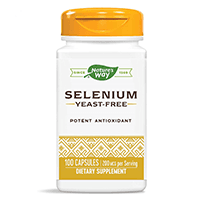
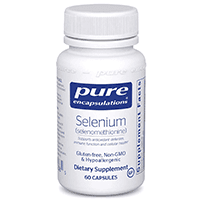
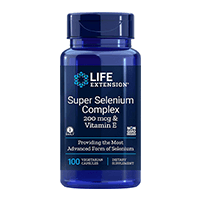
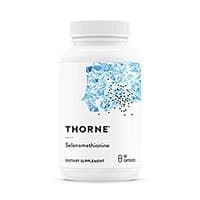
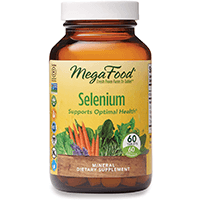
What selenium supplements are (and why “a trace mineral” still needs respect)
Selenium is an essential trace mineral used in enzymes like glutathione peroxidases and deiodinases that participate in antioxidant defense and thyroid hormone metabolism. Supplement forms commonly include selenomethionine, selenium-enriched yeast, and sometimes sodium selenite/selenate—and they are not identical in discussion, absorption, or how brands label “elemental selenium” micrograms.
The buyer mistake is assuming trace means harmless: selenium has a real narrow therapeutic window. Too little is a deficiency problem in some regions and diets; too much can cause selenosis symptoms (hair/nail changes, GI upset, nerve symptoms in severe cases). That is why shopping should prioritize clear mcg per serving, avoid double-stacking across multis, and avoid heroic mega-dosing because a forum said “more antioxidants.”
This guide is educational, not medical advice. If you have thyroid disease, take thyroid hormone, have kidney disease, are pregnant, or take multiple supplements containing selenium, discuss total daily intake with a clinician or dietitian—especially if you also eat selenium-dense foods like Brazil nuts inconsistently.
How to use this guide
The shortlist helps you filter for honest elemental selenium micrograms per serving, credible manufacturing, and brands that do not hide selenium inside giant “thyroid support” blends without totals. The body below helps you compare forms without mysticism, avoid duplicating minerals across your multivitamin and prenatal, and run a plan that matches medical context when thyroid labs matter.
If you are building a mineral routine, compare label-reading habits with zinc (another trace mineral where elemental math and stomach tolerance dominate the purchase). If your selenium interest is tied to iodine-heavy thyroid culture online, review the very different iodine story in kelp so you do not accidentally stack multiple thyroid-affecting supplements without medical coordination. If your antioxidant stack is drifting fat-soluble, sanity-check overlap with vitamin E so you are not multiplying fat-soluble “more is better” mistakes across bottles.
What to look for in a selenium supplement
Elemental selenium in micrograms (mcg) per serving
The label should make daily micrograms obvious. If a brand lists only compound weight without elemental selenium clarity, comparison shopping becomes guesswork.
Form: selenomethionine vs yeast vs selenite
Consumers debate forms endlessly; the practical win is a reputable product with transparent elemental dosing and good tolerability for you personally—within medically appropriate totals.
Standalone selenium vs thyroid blends
Thyroid stacks often combine iodine, selenium, tyrosine, herbs, and more. They increase interaction complexity and make it easy to exceed intended totals. If your clinician wants selenium specifically, simpler formulas usually match intent better.
Food overlap: Brazil nuts are not a stable “dose”
Brazil nut selenium content varies by soil and nut. Food diversity matters; supplements are for when your plan needs a controlled daily amount.
Manufacturing and contaminant seriousness
Prefer meaningful third-party testing language—not decorative badges.
Who selenium may be appropriate for (and who should pause)
Often a reasonable fit when
- You have clinician or dietitian guidance to correct documented low intake or a defined supplementation plan.
- You can audit your multivitamin, prenatal, and greens powders for hidden selenium.
Usually a poor DIY fit when
- You mega-dose multiple antioxidants “for thyroid” without labs or medical supervision.
- You already take several thyroid stacks and do not know your total micrograms.
- You substitute supplements for treating abnormal thyroid labs or changing levothyroxine dosing yourself.
Compare two selenium labels in 60 seconds
- Step 1: elemental selenium mcg per serving stated plainly?
- Step 2: form named (selenomethionine/yeast/selenite)?
- Step 3: servings/day and monthly cost?
- Step 4: overlap with your multivitamin mineral panel?
- Step 5: proprietary blends hiding totals?
Common mistakes that waste money
- Stacking selenium across four products and never adding the micrograms.
- Assuming “thyroid support” blends are automatically safe because they are OTC.
- Chasing high doses for hair/skin myths without monitoring.
- Ignoring nail/hair changes that can appear with excess intake.
- Buying yeast-derived selenium if you have yeast sensitivity without reading excipients.
What to monitor in the first 4–8 weeks
If your clinician agrees, track GI tolerance, headache, fatigue, and—when medically indicated—repeat labs. Stop and seek guidance for persistent vomiting, severe abdominal pain, neurologic symptoms, or rapidly worsening thyroid symptoms. Do not change prescription thyroid dosing based on supplement experiments.
FAQs
How much selenium should I take?
Needs vary by diet, region, pregnancy, and medical conditions. Public intake references exist, but your individualized plan should come from a clinician or dietitian when thyroid disease or pregnancy is involved.
Can selenium help Hashimoto’s?
Some research explores selenium in autoimmune thyroid contexts; it is not a universal prescription and not a substitute for medical monitoring.
Can you take too much selenium?
Yes—selenium toxicity is a real reason to avoid mega-dosing and hidden stacking.
Selenomethionine vs selenium yeast—which is better?
Often the answer is “whichever reputable product matches your dosing plan and tolerability,” not internet form wars.
Is selenium safe in pregnancy?
Do not self-prescribe; prenatal plans should be clinician-directed and totals should include all products.
Do I need selenium if I eat Brazil nuts?
Maybe not—but nut selenium variability makes supplements a controlled tool when your clinician wants a stable daily microgram target.
How we shortlist products on this page
We prioritize transparent elemental micrograms, manufacturing credibility, conservative thyroid-context framing, and claims that do not encourage dangerous stacking. For how we evaluate products across the site, read our methodology.
Bottom line
Selenium supplements can be appropriate for some adults when intake is intentional, elemental dosing is clear, and totals stay within medically sensible bounds. The best purchases are usually simple products from quality-forward brands—not mystery thyroid stacks where nobody knows the microgram math.
If thyroid labs are abnormal or symptoms are changing, treat medical optimization as the system of record—minerals are supporting actors, not stealth prescribers.