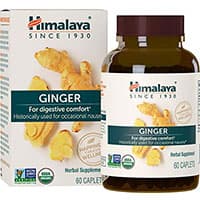
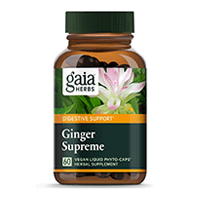
Why ginger shows up in both kitchens and supplement aisles
Ginger (Zingiber officinale) is one of the few ingredients that feels equally at home in tea, cooking, and capsules. Supplement forms exist because concentrated extracts can standardize active pungency compounds—often discussed in marketing as gingerols and related constituents—while capsules and chews offer predictable serving sizes for travel, workdays, and motion-related discomfort routines.
The buyer challenge is the same as many botanicals: powder is not the same as extract, “ginger root” milligrams can be misleading without standardization context, and ginger is not automatically “gentle” at high doses or in every medical context. The best purchase is usually the one that matches your goal (occasional nausea support versus daily digestive comfort) and your tolerance (heartburn-prone users exist).
This guide is educational, not medical advice. If you are pregnant, take anticoagulants or antiplatelet drugs, have gallbladder disease, have significant reflux, or have persistent vomiting with dehydration, get clinician guidance before relying on ginger supplements—and seek urgent care for severe symptoms.
How to use this guide
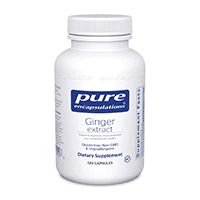
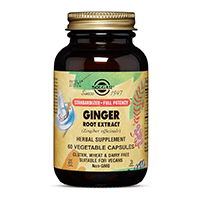
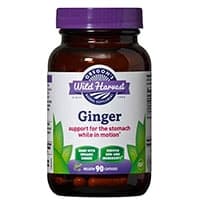
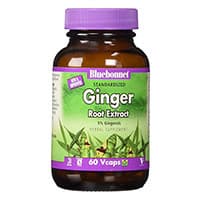
Use the shortlist to filter for honest extract disclosure, credible manufacturing, and brands that do not bury ginger inside giant proprietary “gut stacks.” Use the body below to choose a format you can stick with (capsule versus chewable versus powder) and to avoid paying extract prices for weak root powder.
If your main shopping intent is GI comfort, compare tolerability patterns with peppermint (often discussed for IBS-style discomfort in enteric formats) and protein-digestion enzyme routines with bromelain—a different mechanism, but a common adjacent aisle. If you are already building an anti-inflammatory spice routine, turmeric/curcumin is a useful contrast for how rhizome-based supplements market standardization and absorption helpers.
What to look for in a ginger supplement
Root powder vs extract (and what “mg ginger” really means)
Plain ginger powder can be fine for some uses, but extract-based products should explain standardization or extract ratio in a way that maps to per-serving math. If the label only screams milligrams without context, cross-brand comparison is guesswork.
Format: capsule, chewable, liquid, powder
Capsules are the easiest for consistent dosing. Chewables can improve adherence if you hate swallowing pills. Powders are flexible but can taste intense and vary by preparation. Pick the format you will actually use on bad days—not only on perfect days.
Heartburn and reflux sensitivity
Ginger helps many stomachs and irritates others, especially at higher doses or alongside reflux triggers. If you are reflux-prone, conservative dosing and taking with food may matter more than brand prestige.
Standalone ginger vs multi-ingredient GI blends
Blends are common (ginger + enzymes + mint + licorice fractions). If your goal is to learn whether ginger helps you, simpler formulas usually produce clearer feedback.
Manufacturing and contaminant seriousness
Ginger is a high-volume botanical; quality still matters. Prefer meaningful testing language (identity, heavy metals, microbial) over decorative badges.
Compare two ginger labels in 60 seconds
- Step 1: Zingiber officinale stated clearly?
- Step 2: Powder vs extract—and extract disclosure per serving?
- Step 3: Servings per day and monthly cost at your dose?
- Step 4: Hidden proprietary blends?
- Step 5: Added sugars in chews/gummies (if applicable)?
Who ginger is often a fit for (and who should be cautious)
Often a reasonable fit when
- You want predictable dosing for motion-related discomfort or mild nausea support (with clinician input in pregnancy).
- You can track reflux tolerance and adjust timing or dose.
- You are not stacking multiple blood-thinning strategies without medical awareness.
Use extra caution when
- You take warfarin, antiplatelet agents, or bleed easily—high-dose botanical stacks deserve pharmacist review.
- You have gallstones or a history of gallbladder attacks.
- You have persistent vomiting, blood in vomit, severe abdominal pain, or signs of dehydration—those are medical emergencies, not supplement puzzles.
Common mistakes that waste money
- Buying candy-strength gummies for “wellness” while mostly buying sugar.
- Confusing culinary ginger tea strength with standardized extract dosing.
- Stacking ginger + fish oil + aspirin + ibuprofen culture without thinking about bleeding risk.
- Ignoring reflux triggers and blaming the wrong ingredient.
- Switching brands daily during a cruise week and learning nothing useful.
What to monitor in the first 1–3 weeks (depending on use case)
For motion routines, track timing relative to travel, nausea severity, headache, drowsiness (if combined with other products), and stomach comfort. For daily GI use, track reflux symptoms, stool changes, and bloating patterns. Stop for severe allergic symptoms, black stools, worsening abdominal pain, or fainting—and seek urgent care when appropriate.
FAQs
Does ginger help nausea?
Ginger is one of the better-studied botanicals for certain nausea contexts, but individual response varies and severe causes of vomiting need medical evaluation—not escalating supplements.
Is ginger safe in pregnancy?
Many clinicians discuss ginger for pregnancy-related nausea, but dosing and product choice should be individualized. Do not self-prescribe from influencer posts; use clinician-approved options.
Can ginger cause heartburn?
Yes, some users experience reflux or stomach irritation, especially at higher doses or on an empty stomach. Food pairing and dose reduction are practical first levers.
Does ginger interact with blood thinners?
High-dose ginger is a reasonable “ask your pharmacist” topic if you take anticoagulants or antiplatelet medications, especially alongside other supplements that affect bleeding risk.
Capsules vs tea—which is better?
Tea can be soothing ritual-wise; capsules win for consistent milligrams. Choose based on adherence and your symptom pattern.
How long should I trial one product?
For predictable use cases like travel, you may know quickly. For chronic GI complaints, a 2–3 week stable trial is more informative—if medically appropriate.
How we shortlist products on this page
We prioritize transparent identity, honest extract disclosure where claimed, format-appropriate sugar loads, manufacturing credibility, and conservative medical framing for nausea and bleeding-risk contexts. For how we evaluate products across the site, read our methodology.
Bottom line
Ginger supplements can be a practical tool for many adults when dosing is clear and expectations match the symptom. The best product is usually the one you will take consistently at the right time—without hiding weak ginger inside sugary blends or mystery stacks.
If nausea is persistent, worsening, or accompanied by red-flag symptoms, treat that as a medical evaluation problem first—then decide whether ginger still belongs in the plan.