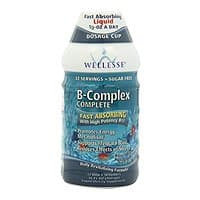
What vitamin B-complex supplements are (and why “activated” marketing needs translation)
A B-complex is a multi-ingredient product that typically includes the eight B vitamins: B1 (thiamine), B2 (riboflavin), B3 (niacin), B5 (pantothenic acid), B6 (pyridoxine/P5P), B7 (biotin), B9 (folate/folic acid), and B12 (cobalamins). Some formulas add choline-like “cognitive” extras, inositol, PABA, or megadoses of a few vitamins while under-dosing others—so “one pill replaces the B family” is never automatically true without reading the panel.
B vitamins are water-soluble, but that phrase is not a safety shield: chronic high B6 totals can still track with neuropathy concerns, niacin can flush or stress the liver at the wrong dose and form, and folate can mask B12 deficiency if B12 is inadequate—another reason complexes are not morally equivalent to a gentle multivitamin for every person.
This guide is educational, not medical advice. If you are pregnant, take methotrexate or other high-stakes medications, have neuropathy symptoms, have MTHFR anxiety amplified by internet forums, or take levodopa regimens where B6 matters, review your full stack with a clinician or pharmacist.
How to use this guide
The shortlist rewards honest per-nutrient doses (not a proprietary “B blend” curtain), credible manufacturing and contaminant testing language, and conservative culture around megadosing B6 while still selling an “energy” story. The sections below help you compare “standard” versus “methylated” positioning without treating methyl labels as automatic superiority.
If you want deep-dose discipline for the vitamin most commonly overdosed across stacks, read vitamin B6 supplements before you add a B-complex on top of ZMA, pre-workout, and a women’s multi. If your complex’s marketing hinges on “methyl B12,” vitamin B12 supplements is useful context for forms (cyanocobalamin versus methylcobalamin versus hydroxocobalamin) and absorption realities that complexes often oversimplify. If folate is the ingredient you actually care about—MTHFR chatter, pregnancy planning, homocysteine conversations—folate supplements is the lane where form wars deserve focused reading rather than being buried line nine of a B-complex panel.
What to look for on a B-complex label
Per-nutrient transparency versus proprietary blends
A serious complex lists each B vitamin with milligrams or micrograms. “B-support matrix” without splits is a penalty.
Methylated complexes: sometimes useful, sometimes marketing
Methylfolate and methylcobalamin can be appropriate for some individuals; they are not universally required for everyone, and they are not automatically “gentler.” Match the product to your medical context, not to influencer certainty.
Niacin form: flush, non-flush, inositol hexanicotinate debates
B3 is not one generic molecule in outcomes; your skin and liver care about the difference. If niacin is the star dose in a complex, treat it like a niacin purchase.
B6 totals across your day
Complex + multi + sleep stack + “hormone” powder is how sane people accidentally build UL-adjacent chronic B6 exposure.
Excipients, dyes, and capsule size
High-potency complexes can be horse pills; if compliance fails, potency is theoretical.
Who B-complex may be appropriate for (and who should screen carefully)
Often a reasonable fit when
- You want a conservative “insurance” B spread with meals and you avoid duplicate mega stacks.
- You have a clinician-guided reason for a specific formulation.
- You tolerate B vitamins without flushing, nausea, or insomnia from late dosing.
Use extra caution when
- Pregnancy: prenatal-specific guidance often beats random “mega B energy” culture.
- Gout history with aggressive niacin doses—medical context matters.
- Neuropathy, balance issues, or new numbness after months of supplements—evaluate rather than rotate brands.
- Upcoming lab work: high-dose biotin in some complexes can interfere with certain immunoassays—disclose supplement use to ordering clinicians.
Evidence expectations: energy, stress, and “methylation” claims
B vitamins correct deficiencies; they do not universally create stimulant-grade energy in replete people. Marketing that promises calm focus, adrenal repair, or methylation optimization often outruns the evidence for healthy adults eating adequate diets. A grounded stance is: deficiency correction and sensible totals, not a personality upgrade in a capsule.
Compare two B-complex labels in 60 seconds
- Step 1: each B vitamin dose listed individually?
- Step 2: B6 mg sane relative to your other stacks?
- Step 3: B12 form named with micrograms?
- Step 4: folate form named (folic acid vs methylfolate vs food folate)?
- Step 5: credible third-party testing language?
Common mistakes that waste money
- Buying “activated” without a medical reason beyond fear-of-missing-out.
- Stacking multiple B-heavy products and wondering why nerves buzz.
- Taking high-B complexes at night and blaming genetics for insomnia.
- Ignoring niacin flush as “detox.”
- Using complexes to replace eating—food patterns still matter.
What to monitor in the first 3–6 weeks
Track energy subjectively but also GI tolerance, skin flushing, headache, anxiety edge, urine color changes (often harmless riboflavin neon), and any progressive tingling. If tingling worsens, stop high-B stacks and seek evaluation—especially if folate is high but B12 status is unclear.
FAQs
B-complex versus multivitamin: which do I need?
If your multi already covers Bs adequately, a complex may duplicate unnecessarily—total the panel.
Should my B-complex be methylated?
Sometimes yes, sometimes irrelevant; clinician context beats default internet rules.
Why does my B-complex turn urine bright yellow?
Riboflavin is a common culprit; it is not proof the product “works extra.”
Can B-complex cause acne?
Anecdotes link high B12 or B6 stacks to skin changes in susceptible people; stop and reassess if new cystic acne correlates tightly with a new product.
How long should I trial one product?
If dosing is conservative, a few weeks can reveal tolerance; if dosing is aggressive, the correct comparator is medical supervision, not patience.
How we shortlist products on this page
We prioritize per-nutrient transparency, sane B6 culture, credible manufacturing testing, and brands that do not sell methylation mythology as a universal upgrade. For how we evaluate products across the site, read our methodology.
Bottom line
A good B-complex is a boring label with clear numbers, not a TED talk about your mitochondria. The best purchase is the one that matches your documented needs, respects totals across stacks, and avoids turning water-soluble vitamins into a chronic high-dose experiment.
If neurologic symptoms, anemia patterns, or pregnancy planning are on the table, labs and professional guidance beat aisle-based methylation cosplay.