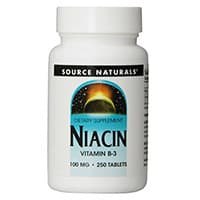
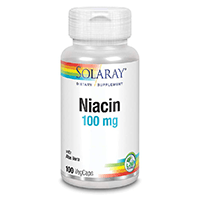
Who this niacin guide is for
Niacin (vitamin B3) supplements are bought for a surprisingly wide range of reasons: general B-vitamin coverage, high-dose nicotinic acid routines historically discussed in lipid-health contexts, “non-flush” niacinamide formulas, and products positioned for energy metabolism support. That wide intent range is exactly why label clarity matters: two bottles both saying “niacin” can be meaningfully different in form, dose, side-effect profile, and what you should even compare them to.
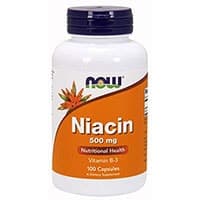
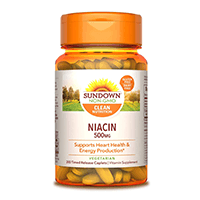
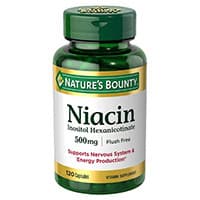
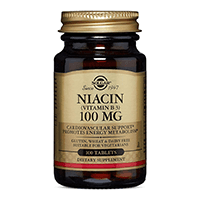
This guide is for adults comparing niacin supplements with a practical, label-first mindset. The ranked list above is your shortlist; the sections below help you identify the form you are buying (nicotinic acid versus niacinamide and other variants when labeled), understand flush risk and tolerability, evaluate extended-release versus immediate-release positioning when applicable, and calculate monthly cost at realistic intake.
Educational only—not medical advice. High-dose niacin is not appropriate for everyone and can cause liver enzyme issues and other adverse effects in some people. If you take cholesterol medications, blood pressure medications, have liver disease, diabetes with complicated management, are pregnant, or have any significant medical history, involve a clinician before using high-dose niacin or changing a prescribed plan.
How to use this page (shortlist + form-first filtering)
Use a two-step workflow. First, pick 2-3 finalists from the ranked products above. Second, filter ruthlessly by form and intent: are you trying to buy a standard B3 contribution as part of a broader B-vitamin strategy, or are you shopping a high-dose nicotinic acid product category? Those are different purchase decisions and they require different caution levels.
The ranking block reflects our site’s structured data and editorial review approach; this article does not re-rank the list in prose. For transparency on how ranking information is presented across Top10Supps, see our methodology page.
If your goal is general B-vitamin coverage rather than isolated high-dose niacin, compare how brands bundle nutrients using vitamin B complex supplements as a parallel lane—often a better fit when you want balanced B support without accidentally buying the wrong niacin chemistry for your intent.
What to look for in a niacin supplement
1) The form on the label: nicotinic acid vs niacinamide (and why shoppers confuse them)
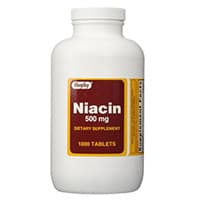
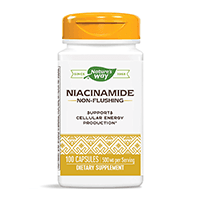
Start with the supplement facts panel and ingredient name. “Niacin” marketing on the front of the bottle is not enough. Nicotinic acid is the form most associated with flushing in many people at higher intakes, while niacinamide is often marketed as non-flush but is not interchangeable for shoppers who are specifically seeking nicotinic acid for a particular historical use context.
If you do not know which form you are buying, stop and resolve that before comparing milligrams. Otherwise you are not comparing two niacin products—you are comparing two different supplement categories with similar names.
2) Milligrams per serving and the real daily protocol
Once the form is clear, evaluate mg per serving and how many tablets or capsules you need per day. Then calculate monthly cost at that real intake. Two bottles at the same shelf price can imply very different monthly economics if one requires multiple tablets per day to reach the label’s suggested use.
3) Flush management, titration, and tolerability (practical adherence beats bravado)
If you are using nicotinic acid at higher intakes, flushing can be intense for some people and tolerability varies widely. Many experienced buyers talk about gradual titration, taking with food, splitting doses, and other practical strategies—but your safest approach is to follow label directions and clinician guidance rather than improvising aggressive dosing from forum posts.
If a product causes symptoms that feel severe, stop and seek medical advice. This is especially important if you develop persistent nausea, yellowing of skin or eyes, severe abdominal pain, unusual weakness, or other systemic symptoms.
4) Extended-release and formulation differences (read labels carefully)
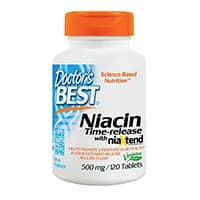
Some products emphasize extended-release or other delivery approaches. These can change tolerability and risk profiles compared with immediate-release products for some individuals. Do not assume “XR is always gentler” or “IR is always better”—assume the label matters and your clinician matters more when doses are high.
5) Stack overlap: lipid-health shopping lanes and redundancy checks
Niacin is sometimes purchased alongside other lipid-adjacent supplements. Before stacking, write down what you already take and why. Redundancy is expensive and can increase side-effect burden without improving decision clarity.
For fatty-acid products commonly used in similar shopping journeys, compare label norms using fish oil supplements as a separate decision lane—EPA/DHA milligrams, servings per day, and container economics—rather than mixing goals into your niacin purchase without a plan.
For plant-derived lipid-adjacent categories sometimes cross-shopped with niacin, review policosanol supplements as another example of how buyers should insist on milligram clarity and avoid vague “heart support” blends.
6) Liver labs, monitoring, and when “OTC” still needs medical oversight
High-dose niacin is not “just a vitamin” for everyone. If you are considering high-dose use, the responsible question is whether you have monitoring and medical context appropriate to your risk factors. If you cannot answer that confidently, pause and get professional guidance.
7) Cost per month at realistic intake
Calculate monthly cost using:
- mg per day you intend to use (clinician-directed or label-directed)
- tablets/capsules per day
- servings per container
Common mistakes to avoid
- Buying “niacin” without confirming the chemical form.
- Confusing non-flush marketing with the wrong product for your intent.
- Stacking multiple lipid-adjacent supplements without a plan.
- Ignoring liver risk and monitoring needs at higher doses.
- Using high-dose niacin while on interacting prescriptions without medical review.
FAQs
What is the difference between flush and non-flush niacin?
Marketing language varies, but shoppers usually need to know whether they are buying nicotinic acid (often associated with flushing at higher intakes) versus niacinamide (often marketed as non-flush). Read the ingredient name on the supplement facts panel, not only the front label.
Can I take niacin with fish oil?
Some people combine lipid-adjacent supplements, but medical context matters—especially bleeding risk, blood pressure medications, and prescribed therapies. Ask a clinician when unsure.
Should niacin be taken with food?
Follow the product label and your clinician’s guidance. Food can affect tolerability for some people, but individual response varies.
Is niacin the same as a B-complex?
Not necessarily. A B-complex may include niacin alongside other B vitamins at moderate doses. A standalone niacin product may be dosed very differently. Compare goals before buying both.
What side effects should make me stop and seek help?
Persistent vomiting, severe abdominal pain, yellowing of skin or eyes, unusual dark urine, profound weakness, allergic symptoms, or anything that feels alarming warrants medical attention.
How long should I trial one niacin product?
At lower doses used for general supplementation, tolerability may stabilize quickly. At higher doses, decisions should be clinician-guided rather than improvised.
How we shortlist products
Our shortlist is built from structured product data and editorial review criteria focused on transparency, practical usability, and value. Rankings can change as formulations and availability change.
Bottom line
The best niacin supplement is the one that matches your intent (form-first), delivers clear milligram labeling, fits a realistic daily protocol, and—when doses are high—fits appropriate medical oversight.
Do not shop this category on vibes. Read the supplement facts panel like a contract, simplify redundant stacks, and involve a clinician when prescriptions or disease risk are in play.