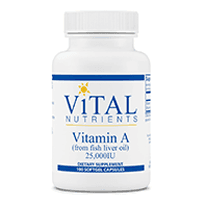
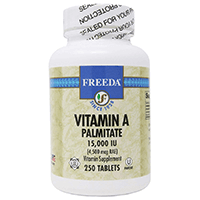
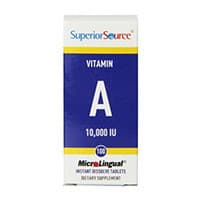
What vitamin A supplements are (and why “IU” labels confuse everyone)
Vitamin A is a fat-soluble nutrient that comes in two broad families: preformed vitamin A (retinol and esters like retinyl palmitate or acetate) and provitamin A carotenoids (notably beta-carotene) that your body can convert to vitamin A activity with individual variation. Supplements usually sell preformed retinyl esters, beta-carotene, or mixed formulas marketed for skin, immune support, and night-vision language.
The shopping problem is dose safety: vitamin A is essential, but preformed vitamin A can be toxic at chronic high intakes, and pregnancy is a high-stakes context where excess preformed A is especially dangerous. That is why label literacy matters more than brand hype—especially when people stack multis, prenatals, and “beauty” stacks without totaling retinol activity.
This guide is educational, not medical advice. If you are pregnant, could become pregnant, take isotretinoin or retinoid medications, have liver disease, or take vitamin A-containing prescriptions, discuss supplementation with a clinician before changing doses.
How to use this guide
The shortlist helps you filter for honest disclosure of retinol activity equivalents (RAE) or clearly interpretable IU conversions, credible manufacturing, and brands that do not hide vitamin A inside proprietary blends. The body below helps you separate preformed A from carotenoid strategies, avoid accidental double-dosing across products, and understand why “more IU” is not a hair-skin beauty hack for everyone.
If you are building a pregnancy nutrient plan, prenatal products are where vitamin A totals are most commonly coordinated with clinician guidance—do not stack a separate high-dose vitamin A cap on top without explicit approval. If you are cross-shopping other fat-soluble vitamins, vitamin D is the parallel category where IU chaos also reigns—useful practice for reading labels carefully and avoiding redundant stacks. If you are thinking about marine oils that sometimes carry fat-soluble vitamins in certain products, fish oil is a reminder to read each label: some “cod liver oil” style products are not the same purchase as plain EPA/DHA concentrates.
What to look for in a vitamin A supplement
Preformed A vs beta-carotene: pick the strategy, not the buzzword
Preformed vitamin A is direct activity; beta-carotene is conversion-dependent and behaves differently in risk trade-offs. If a label mixes both, you should still be able to total sensible retinol activity with clinician input.
RAE/IU clarity (and why “IU” alone can mislead)
Prefer labels that make daily intake interpretable in modern units (RAE mcg) or provide a clear conversion table. If you cannot compute what you swallow daily, do not buy.
Standalone vitamin A vs multis and beauty blends
Vitamin A hides in multivitamins, acne stacks, and “skin” formulas. Hidden stacking is how people accidentally run hot on fat-soluble vitamins.
Fat-containing meals and softgel quality
Vitamin A absorbs better with dietary fat; cheap softgels with oxidized oils are a pointless foundation for a fat-soluble vitamin.
Manufacturing and contaminant seriousness
Prefer meaningful third-party testing language—not decorative badges.
Who vitamin A may be appropriate for (and who should avoid megadosing)
Often a reasonable fit when
- You have clinician-identified deficiency or a defined supplementation plan.
- You audit all products for hidden vitamin A and keep totals conservative.
Usually a poor DIY fit when
- Pregnancy or pregnancy possibility without obstetric guidance on preformed A totals.
- Liver disease or elevated liver enzymes without medical evaluation.
- You stack high-dose vitamin A with retinoids or other overlapping prescriptions.
Compare two vitamin A labels in 60 seconds
- Step 1: preformed A vs beta-carotene stated clearly?
- Step 2: RAE mcg per serving (or honest IU conversion)?
- Step 3: servings/day and monthly cost?
- Step 4: overlap with multivitamin/prenatal totals?
- Step 5: pregnancy warning language present?
Common mistakes that waste money (or create risk)
- Chasing megadoses for skin glow while ignoring toxicity ceilings.
- Adding vitamin A on top of a prenatal without totaling.
- Confusing beta-carotene with “safe unlimited A” for every person (conversion and context still matter).
- Buying cod-liver-style products without reading vitamin A and D totals.
- Using supplements to avoid eye exams for night vision changes.
What to monitor in the first 8–12 weeks (often clinician-guided)
If medically appropriate, track headache, nausea, dry skin paradoxically, joint pain, fatigue, and vision changes—and follow labs if your clinician recommends monitoring. Stop and seek urgent care for severe headache with vomiting, confusion, or acute vision changes.
FAQs
What is the difference between retinol and beta-carotene?
Retinol forms are preformed vitamin A; beta-carotene is a precursor converted with variable efficiency. They are not interchangeable milligram-for-milligram in risk planning.
How much vitamin A is too much?
Tolerable upper intake levels exist for preformed vitamin A; pregnancy and liver context change the story. Your safe ceiling should be individualized with a clinician when in doubt.
Does vitamin A help acne?
Prescription retinoids are a medical therapy category; OTC vitamin A is not a safe substitute for prescriber-managed acne treatment.
Can vitamin A harm the liver?
Chronic excessive preformed vitamin A can contribute to liver injury patterns; liver symptoms deserve medical evaluation, not higher doses.
Should I take vitamin A with vitamin D?
Some products combine them; totals still must make sense. Fat-soluble stacks deserve clinician coordination in pregnancy and polypharmacy.
How long should I trial one product?
If medically appropriate, follow clinician timelines tied to labs and nutrition assessment—not vibes.
How we shortlist products on this page
We prioritize RAE/IU clarity, conservative pregnancy safety framing, manufacturing credibility, and claims that do not encourage hidden stacking across multis. For how we evaluate products across the site, read our methodology.
Bottom line
Vitamin A supplements can be appropriate when deficiency or a clinician-directed plan exists—but they are a poor category for megadose self-experimentation because fat-soluble toxicity and pregnancy risk are real. The best purchases are usually simple, transparently labeled products with totals you can defend mathematically across your whole supplement pile.
If vision changes are new or progressive, treat ophthalmology evaluation as the priority—vitamin A is not a substitute for diagnosing retinal and corneal disease.