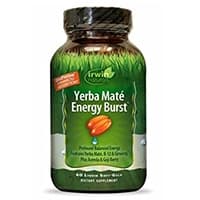
Why people shop yerba mate supplements
Yerba mate (typically from Ilex paraguariensis) is a caffeinated botanical traditionally consumed as a brewed drink and now sold in capsules, powders, and concentrates. Most shoppers come to this category for one core reason: they want alert energy with a different feel than coffee. Depending on product type, yerba mate supplements are marketed for focus, workout drive, appetite control, and “clean energy” routines.
That promise can be useful for the right person, but product quality and dosing discipline matter. A capsule labeled “mate extract” can vary a lot in caffeine content and additional compounds. Some products are straightforward; others bury mate in proprietary stimulant blends with little transparency. If you are sensitive to caffeine, anxious, sleep-fragile, or already using multiple stimulant products, this category deserves careful label reading, not impulse buying.
This guide is educational and not medical advice. If you have hypertension, arrhythmia, anxiety disorders, GERD, or take medications that interact with stimulants, discuss regular yerba mate supplementation with a qualified clinician. Pregnancy and breastfeeding are especially important contexts for caffeine guidance and should be managed with professional input.
How to use this guide
Use the ranked list as a filter for transparency, practicality, and tolerance fit — not as a guarantee of productivity or fat loss. Start by deciding your main use case: daytime focus, pre-workout support, or replacing high-coffee intake. That choice should guide whether you prefer a standalone mate product or a blended formula with additional nootropic or stimulant ingredients.
If your priority is extract-based caffeine alternatives, compare with green tea extract supplements for a different botanical profile. If you want precise, no-frills stimulant dosing, caffeine pills may be easier to control than mixed herbal products. If your goal is to smooth stimulation and reduce jitters in your broader routine, theanine supplements are often explored alongside caffeine-containing categories. These are overlapping but distinct strategies; they are not interchangeable one-to-one.
What to look for in a yerba mate supplement
Caffeine disclosure (or a realistic equivalent)
The most useful yerba mate labels disclose estimated caffeine per serving. If a brand only says “energizing mate blend” without telling you stimulant strength, it becomes hard to compare value or predict tolerance. In stimulant categories, unknown dose is avoidable risk.
Leaf powder vs concentrated extract
Whole leaf powders can deliver a broader plant matrix but often with less predictable caffeine per capsule. Standardized extracts can offer clearer dosing if the label is honest. Neither is automatically superior; choose based on your response history and your need for precision.
Standalone product vs stacked stimulant blends
Many formulas combine yerba mate with guarana, green tea extract, synephrine-like ingredients, or nootropic compounds. Blends can be convenient but are harder to troubleshoot. If you are new to mate supplements, a transparent single-ingredient product often provides cleaner feedback.
Serving schedule and sleep protection
Timing matters as much as dose. Late-day stimulant use is one of the most common reasons users report poor sleep, next-day fatigue, and then overcompensation with more stimulants. Choose a product and schedule that protect sleep first.
Quality and contaminant transparency
Look for brands with credible manufacturing standards and testing language. Botanical stimulant categories should offer traceability and clear ingredient identity, not just lifestyle branding.
Mistakes to avoid
- Stacking multiple caffeine sources by accident. Yerba mate + pre-workout + energy drink + coffee can create unstable stimulant load even if each product looks “moderate” alone.
- Using supplements to outwork chronic sleep debt. The short-term boost can hide the real problem and worsen recovery over time.
- Buying proprietary blends without active-dose clarity. If you cannot estimate stimulant strength, comparison shopping is mostly guesswork.
- Ignoring anxiety, palpitations, or GI signals. These are useful warning signs, not something to power through.
- Expecting fat loss from stimulant products alone. Body composition changes still depend mostly on diet, training, and consistency.
FAQs
Is yerba mate stronger than coffee?
It depends on product form and serving size. Some mate products are milder than coffee, others are comparable, and blends can be stronger than expected. Label transparency is the deciding factor.
Can I take yerba mate supplements every day?
Some people do, but daily use should consider your total caffeine intake, sleep quality, and medical context. If tolerance rises and dose keeps climbing, reassess your routine.
What side effects are commonly discussed?
Common complaints include jitteriness, anxiety, reflux, palpitations, headache, and sleep disruption — especially with high total stimulant load. If symptoms are persistent or severe, stop and seek medical advice.
Is yerba mate better than caffeine pills?
Not universally. Yerba mate may appeal to people who prefer botanical products, while caffeine pills provide more precise dosing control. “Better” depends on your tolerance and consistency goals.
Can I combine yerba mate with pre-workout?
Only if you account for total stimulant exposure. Many pre-workouts already contain significant caffeine and other stimulants, so careless stacking can overshoot quickly.
How long should I trial a product?
If your clinician agrees with use, keep a stable routine for several weeks and avoid changing multiple stimulant products at once. Track sleep, resting heart rate, mood, and workout quality for a realistic assessment.
How we shortlist products
Our rankings prioritize active-dose transparency, clean labeling, practical serving design, and quality/manufacturing credibility. We favor products that make stimulant exposure easier to understand and control in real life. For full criteria and editorial standards, see our methodology.
Bottom line
Yerba mate supplements can be a useful option for readers who want caffeinated botanical support with flexible formats, but success depends on dose awareness and sleep-protective habits. The best product is usually the one that clearly discloses stimulant strength and fits your routine without pushing you into an anxious, under-recovered cycle.
Keep your stack simple, avoid stimulant overlap, and treat side effects as meaningful data. If your health profile is complex, use yerba mate products only as clinician-reviewed adjuncts, not a replacement for foundational lifestyle recovery.