What chia seed products are (and what they are not)
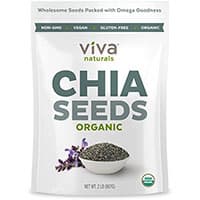
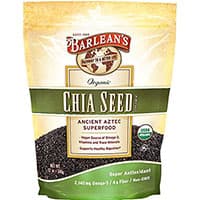
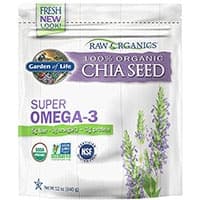
Chia (Salvia hispanica) is a tiny seed sold whole, milled into flour-like meal, or included in blends (granolas, bars, “superfood” mixes). It is famous for two things shoppers actually feel: fiber and mucilage (the gel-forming texture when hydrated), and a respectable amount of ALA omega-3 from the plant-fat profile. What chia is not: a literal replacement for the EPA/DHA you get from marine sources, a magic blood sugar switch, or a choke-risk-free food if eaten dry in the wrong context.
This guide is educational, not medical advice. If you swallowing is impaired, if you have esophageal strictures, or if you are ramping fiber aggressively while fluid intake is poor, discuss strategy with a clinician—dry expanding seeds are a real-world choking and obstruction caution category, not internet myth.
How to use this guide
The shortlist favors clean sourcing language (organic vs conventional when it matters to you), harvest freshness and storage packaging, honest milling dates for meal products, and brands that do not pretend two tablespoons rewrite cardiometabolic risk by themselves. The sections below help you choose whole seed versus milled formats, set realistic omega-3 expectations next to fish sources, and pair chia with a broader fiber plan without GI rebellion.
If you are comparing another ALA-forward seed, flaxseed is the closest shopping neighbor: similar “plant omega-3” language, different rancidity and grinding habits, different taste. If you want seed texture and protein-forward pantry staples without the chia gel ritual, hemp hearts are a useful contrast category for macros and culinary use cases. If your real goal is hitting fiber targets for regularity and glycemic smoothing habits, fiber supplements is the conceptual frame—chia is food-fiber, not a clinical isolated fiber trial in a jar, but the same bowel rules about ramping slowly and drinking water still apply.
What to look for when buying chia
Whole seed versus milled “meal”
Whole seeds store well and keep oxidation slower than ground meal. Milled chia is convenient for baking and smoothies but behaves like other seed flours: fresher batches taste cleaner, stale batches taste like regret.
Organic, purity, and contaminant seriousness
Seeds are agricultural products. If a brand cannot articulate basic quality control (cleaning, testing, allergen handling), treat price-only buying as a gamble.
Black versus white chia: mostly aesthetics
Nutrient differences are not the drama marketing sometimes implies; choose based on culinary use and freshness.
Blends and hidden sugars
“Chia pudding kits” and granola blends can smuggle added sugars and oils. Read the nutrition panel like an adult with goals, not like a wellness label skimmer.
Who chia may fit (and who should be careful)
Often a reasonable fit when
- You want an easy yogurt, oatmeal, or smoothie add-in for fiber and texture.
- You hydrate chia before swallowing when dry-swallow risk exists.
- You increase fiber gradually with adequate fluids.
Use extra caution when
- Dysphagia, esophageal disorders, or a history of food bolus obstruction—avoid dry spoonful experiments.
- IBS flares where rapid fiber jumps cause pain—titration beats enthusiasm.
- You take medications with narrow absorption windows—separate timing thoughtfully with pharmacist input.
Omega-3 expectations: ALA is not EPA/DHA
Chia contributes ALA, a plant omega-3. Human conversion to EPA/DHA is limited and variable. If your goal is marine omega-3 endpoints, chia is a pantry ally—not a substitute for the category where fish oil lives. Keep categories straight so you do not under-buy what you actually need while over-hyping what a seed can do.
Compare two chia products in 60 seconds
- Step 1: ingredient list is just chia (or clearly disclosed blend)?
- Step 2: best-by or pack date sanity for ground meal?
- Step 3: packaging limits light and oxygen for milled formats?
- Step 4: nutrition label matches your intended serving math?
- Step 5: allergen statement credible for shared facilities?
Common mistakes that waste money (or upset your gut)
- Jumping from low fiber to heroic chia doses in week one.
- Treating chia oil like fish oil in your mental model—different molecules, different goals.
- Buying giant bags you cannot store airtight; oxidation and pantry moths are morale killers.
- Assuming “superfood” implies micronutrient completeness—still just a seed with a macro profile.
- Ignoring added sugars in chia-containing packaged foods.
What to monitor in the first 2–3 weeks
Track bloating, gas, stool frequency, and hydration. If you use chia specifically around meals for satiety, note hunger patterns honestly—food effects are individual. If swallowing feels odd after dry chia in a rush, that is a signal to change technique, not a badge of discipline.
FAQs
How much chia per day is reasonable?
Many people land in small tablespoon-level additions; tolerance drives the ceiling more than influencer recipes.
Do I need to grind chia?
Whole seeds work for many uses; grinding can change texture and oxidation rate—pick based on culinary goal and freshness discipline.
Does chia need to be soaked?
Soaking reduces dry-swallow risk and creates predictable pudding texture; it is not mandatory for everyone, but it is wise for at-risk swallowing.
Is chia good for weight loss?
Satiety and calorie density still obey thermodynamics; chia can support habits, not replace them.
How should I store chia?
Airtight, cool, dark; refrigerate or freeze milled meal if you buy in bulk.
How we shortlist products on this page
We prioritize freshness signals, clean labeling, sensible packaging for ground formats, and brands that do not oversell omega-3 outcomes beyond ALA reality. For how we evaluate products across the site, read our methodology.
Bottom line
Chia is a legit pantry fiber and ALA tool with excellent texture science when hydrated—best bought fresh, stored intelligently, and used with the same gradual fiber discipline you would apply to any other seed-forward diet upgrade.
If your goal is marine omega-3 repletion or a clinician-directed lipid plan, shop the correct category with correct expectations—chia can coexist without pretending to be something it is not.