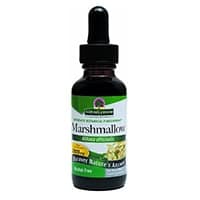
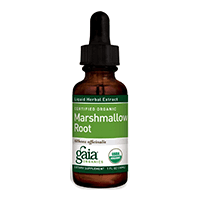
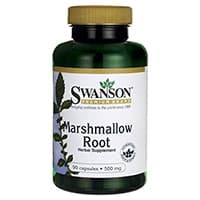
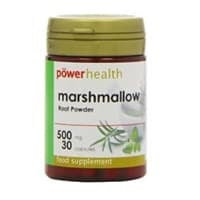
Why people shop marshmallow root supplements
Marshmallow root (Althaea officinalis) is a classic demulcent herb, meaning it is traditionally used for its soothing, mucilage-rich properties in throat, digestive, and urinary-comfort routines. In modern supplement aisles, it appears as capsules, powders, teas, and tinctures, often marketed for “coating and calming” irritated tissues. That broad promise attracts many shoppers — especially people with reflux-adjacent discomfort, occasional throat irritation, or mild GI sensitivity — but product quality and use context matter a lot.
One major category challenge is form mismatch. A product intended for soothing effects may underperform if the format, timing, or extraction style does not match your goal. Tea, powder, and capsule products are not interchangeable in feel or speed, and generic “herbal comfort” marketing often hides that practical difference.
This guide is educational and not medical advice. If you have swallowing difficulties, chronic reflux, severe GI symptoms, kidney disease, diabetes medication use, or recurrent urinary symptoms, discuss marshmallow root with a qualified clinician before use. Persistent pain, blood in stool/urine, unexplained weight loss, fever, or severe dehydration are medical red flags that require evaluation.
How to use this guide
Use the ranked list as a quality-and-fit filter, not a diagnosis or treatment protocol. First choose your primary objective:
- Throat comfort support during seasonal irritation
- Digestive soothing support in a meal- and stress-aware routine
- General mucosal comfort support where gentle formulas are preferred
Then choose a format that fits the objective. Tea and powders can better mimic traditional demulcent use patterns for some users, while capsules offer convenience and consistency. If your routine is busy, an elegant traditional format may still fail if you cannot follow it.
Shoppers often compare marshmallow root with other soothing digestive/herbal categories. For spicy-thermogenic digestive support with a different feel and mechanism, see our ginger supplements guide. For calm-focused herbals that can help when stress amplifies gut discomfort, compare with our chamomile supplements guide. If your main issue is regularity and fiber structure rather than mucosal soothing, review our psyllium supplements guide.
For complete ranking criteria and how products are scored across the site, see our methodology.
Who this category is for (and who should pause first)
Usually a better fit for
- Users seeking gentle, non-stimulant herbal support for mild throat or digestive irritation.
- People willing to align format and timing with symptom pattern instead of random use.
- Shoppers who value simple labels and low-complexity formulas.
Usually a poor fit for unsupervised use
- Anyone with persistent severe GI or urinary symptoms needing diagnosis.
- Users on complex medication schedules where timing interactions are likely.
- People expecting one herb to replace hydration, diet quality, and clinical care.
How to compare two marshmallow root labels in 60 seconds
- Step 1: Confirm ingredient identity and plant part: Althaea officinalis root.
- Step 2: Confirm amount per serving and whether it is powder, extract, tea cut, or tincture.
- Step 3: Check serving schedule and practical fit for your day.
- Step 4: Check blend complexity (single herb vs multi-herb throat/digestive blend).
- Step 5: Check quality transparency and any medication-timing cautions.
If active amount and format are vague, skip it.
What to look for in a marshmallow root supplement
Root-specific transparency
Strong labels identify marshmallow root, not generic “marshmallow plant blend.” Part-specific labeling helps ensure you are buying the ingredient profile associated with traditional demulcent use.
Format matched to your use case
Tea and powders may suit soothing routines where mucilage-style texture matters; capsules may suit convenience. There is no universal best form — only best fit for your symptoms and adherence.
Simple formulations over “kitchen sink” blends
Many throat or gut products combine marshmallow with slippery elm, licorice, fennel, mint, or enzymes. Blends can be useful, but they make it harder to identify what is helping or causing side effects. First-time users usually get clearer data from simple formulas.
Timing around medications
Demulcent herbs may alter absorption timing for some oral medications in practice. If you use multiple prescriptions, ask your pharmacist about spacing guidance before starting daily use.
Quality and contamination transparency
Look for sensible manufacturing and sourcing quality statements. In gentle-herb categories, transparent quality control is a better indicator than dramatic symptom promises.
Common mistakes that waste money
- Using marshmallow root for severe unresolved symptoms. If symptoms are escalating, supplements should not delay diagnosis.
- Ignoring hydration and meal pattern basics. Mucosal comfort routines often fail when hydration and food triggers are unmanaged.
- Stacking multiple soothing herbals at once. This reduces interpretability and may increase GI variability.
- Choosing format by trend instead of routine fit. The “best” format is the one you can actually use consistently.
- Skipping medication spacing review. Simple pharmacist guidance can prevent avoidable issues.
What to monitor in your first 2-4 weeks
If your clinician supports a trial, monitor:
- Primary symptom target: throat irritation, post-meal discomfort, or bowel comfort trends.
- Tolerance: bloating, stool pattern changes, nausea, or unusual symptoms.
- Medication timing: any perceived changes in med response should be reviewed quickly.
- Adherence quality: can you maintain timing and format without friction?
- Trigger context: keep notes on foods, stress, and hydration to improve signal quality.
FAQs
What is marshmallow root used for?
It is commonly used for gentle soothing support in throat and digestive wellness routines due to demulcent properties. It is not a replacement for diagnosing chronic GI or urinary disease.
Is marshmallow root the same as marshmallow candy ingredients?
No. The herb and confectionery “marshmallow” products are not the same thing nutritionally or functionally in modern use.
Tea or capsules: which is better?
Neither is universally better. Tea may suit traditional soothing routines; capsules often improve convenience and consistency.
What side effects are commonly discussed?
Most users tolerate it well, but some report mild GI changes. Responses vary by dose, format, and blend context.
Can I take marshmallow root with medications?
Possibly, but spacing and interaction context should be reviewed with a pharmacist, especially for daily use.
How long should I trial one product?
If medically appropriate, keep one product and routine stable for 2-4 weeks before judging.
Can this replace reflux or GI treatment plans?
No. It may be a supportive adjunct for some users, but persistent or severe symptoms require clinician-guided care.
Bottom line
Marshmallow root supplements can be a useful gentle-support option when product form, timing, and symptom target are matched carefully. The best choice is usually a transparent, low-complexity formula you can follow consistently without stack confusion.
Use it as part of a broader comfort strategy that includes hydration, trigger awareness, and medical evaluation when symptoms are significant. In this category, simple and consistent beats complicated and trendy.