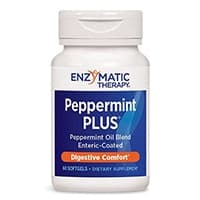
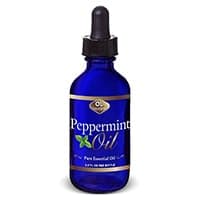
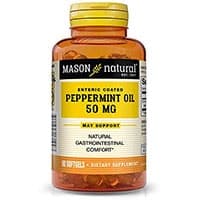
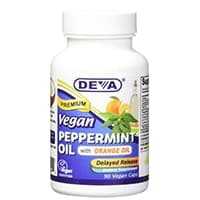
Why people shop peppermint supplements
Peppermint supplements are usually purchased for digestive comfort — especially bloating, post-meal heaviness, and gut-spasm-style discomfort in people who do not want stimulant-heavy or laxative-first products. Most formulas use peppermint leaf oil (often standardized for menthol content), but product quality varies widely by delivery format. That detail matters because peppermint is one of those ingredients where how it is delivered can change how it feels in real life.
Many shoppers assume all peppermint products are interchangeable: tea, softgels, capsules, enteric-coated oils, and blended “digestive support” products. They are not. For example, an enteric-coated peppermint oil product designed for lower-GI release may feel very different from a standard mint-oil softgel that opens earlier and increases reflux in sensitive users. If you want fewer bad purchases, start with form clarity and your specific symptom pattern.
This guide is educational and not medical advice. If you have severe GERD, hiatal hernia, gallbladder disease, frequent unexplained abdominal pain, GI bleeding signs, or chronic medication use, discuss peppermint supplements with a qualified clinician before use. New severe abdominal symptoms, persistent vomiting, black/tarry stool, or unexplained weight loss are red flags and should be medically evaluated.
How to use this guide
Use the ranked list as a quality-and-fit filter, not a diagnosis or treatment protocol. Before comparing products, define your main use case:
- Bloating and post-meal discomfort support with meal-aware timing
- Gut comfort support in a broader routine that includes fiber and stress management
- Travel / convenience digestive support where capsules beat tea prep
When your goal is clear, you can match product format more intelligently. If reflux is a major issue, a random peppermint oil product may not be your best first trial. If lower-GI spasm-style discomfort is your primary complaint, formulation details (especially coating) become more relevant than generic “digestive wellness” claims.
Shoppers often compare peppermint against other digestive categories before deciding. For a thermogenic/spice-based digestive lane with different tolerance patterns, see our ginger supplements guide. For microbiome-oriented digestive support, review our probiotic supplements guide. For stool-regularity and fiber-first routines that often outperform “quick fixes,” compare with our psyllium supplements guide. These categories overlap in gut-support goals but are not ingredient-equivalent.
For complete cross-site ranking standards, see our methodology.
Who this category is for (and who should pause first)
Usually a better fit for
- Users with mild-to-moderate functional digestive discomfort who want a non-stimulant adjunct.
- People willing to test one variable at a time and track meal context with symptoms.
- Shoppers who prioritize formulation detail over generic “mint freshness” marketing.
Usually a poor fit for unsupervised use
- People with uncontrolled reflux who worsen with mint exposure.
- Users with unexplained, progressive GI symptoms needing medical workup.
- Anyone using a complex GI-medication regimen without pharmacist/clinician review.
How to compare two peppermint labels in 60 seconds
- Step 1: Confirm active ingredient type: peppermint oil vs leaf powder vs blend.
- Step 2: Confirm peppermint oil amount per serving and any menthol standardization disclosure.
- Step 3: Check delivery format: enteric-coated vs non-enteric softgel/capsule.
- Step 4: Check daily serving schedule and whether it fits your meal pattern.
- Step 5: Check blend complexity and overlap with other digestive products.
If the label is vague on active amount or delivery format, skip it.
What to look for in a peppermint supplement
Delivery format matched to symptoms
For many users, format matters as much as ingredient. Enteric-coated delivery is often chosen for lower-GI targeting, while standard peppermint oil may feel harsher for reflux-prone users. Choosing the wrong format is one of the fastest ways to think “peppermint doesn’t work for me” when the issue was product design.
Clear oil amount and serving logic
Good labels state exact peppermint oil quantity and practical timing guidance. If the product uses proprietary digestive blends with tiny peppermint amounts, you cannot judge value or consistency.
Single ingredient vs digestive blends
Peppermint is frequently combined with fennel, ginger, enzymes, or probiotics. Blends can be convenient but make troubleshooting harder. If this is your first trial, a transparent single-ingredient option often gives cleaner feedback.
Reflux context and timing decisions
Some users do best away from known reflux triggers and with conservative timing, while others tolerate peppermint poorly regardless of schedule. Respect your own symptom history; forcing “ideal” timing from labels is less useful than symptom-aligned decisions.
Quality and manufacturing transparency
Look for products with straightforward manufacturing disclosures and clear label identity. In botanical GI categories, simple transparency often beats complex branding.
Common mistakes that waste money (or worsen symptoms)
- Using peppermint despite obvious reflux worsening. If symptoms consistently worsen, switch strategy rather than pushing through.
- Stacking multiple digestive products at once. Enzymes + probiotics + peppermint + fiber changes in one week creates interpretation chaos.
- Using peppermint as a substitute for medical evaluation. Persistent severe symptoms need diagnosis, not rotating supplements.
- Ignoring diet-pattern drivers. Meal size, eating speed, alcohol, stress, and sleep often move symptoms more than one capsule.
- Buying low-transparency blends. If active amount is unclear, outcome expectations should be low.
What to monitor in your first 2-4 weeks
If your clinician supports a trial, track:
- Primary symptom target: bloating, cramping, post-meal discomfort, urgency pattern.
- Reflux response: any increase in heartburn or throat irritation.
- Meal context: timing relative to larger meals and known trigger foods.
- Tolerance: nausea, burning, or bowel-pattern changes.
- Adherence quality: can you realistically sustain the serving schedule?
If symptoms escalate or red flags appear, stop and seek medical guidance promptly.
FAQs
What is peppermint supplement used for?
Most products are marketed for digestive comfort support, especially bloating and gut discomfort patterns. They are supplements, not replacements for diagnosing GI disorders.
Is peppermint tea the same as peppermint oil capsules?
No. Tea and concentrated oil products differ in delivery, potency, and symptom response patterns. They can feel very different in practice.
Can peppermint supplements worsen reflux?
Yes, in some users. If reflux is your main issue, choose cautiously and monitor closely.
What side effects are common?
Common user-reported issues include heartburn, minty burping, or GI discomfort depending on format and timing.
Can I combine peppermint with probiotics?
Some users do, but introduce one change at a time. Multi-change GI experiments make outcomes hard to interpret.
How long should I trial one product?
If medically appropriate, keep one transparent product and stable routine for 2-4 weeks before deciding.
Can peppermint replace fiber and meal-habit changes?
No. Fiber adequacy, meal structure, hydration, and stress management usually remain foundational.
Bottom line
Peppermint supplements can be genuinely useful for some digestive-support routines, but format and symptom matching are everything. The best product is usually one with clear peppermint-oil disclosure, appropriate delivery design, and a schedule you can follow consistently.
If reflux dominates your symptom profile or red flags are present, prioritize medical evaluation and individualized guidance. Use peppermint as a targeted adjunct, not a universal gut fix.