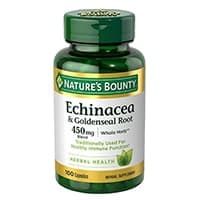
Why people shop goldenseal root supplements
Goldenseal root (Hydrastis canadensis) is one of the most recognizable North American herbal categories, usually marketed for immune-season support, mucosal wellness, and short-term “defense” routines. It is also one of the easiest categories to misuse. Many products are promoted as daily immune staples, but in practice goldenseal is often treated more cautiously, especially because of alkaloid content (including berberine-related compounds) and potential medication interactions.
Most buyers arrive here when they feel run-down and want a natural backup plan. That is understandable, but this category works best when expectations are realistic and product quality is clear. Goldenseal is not a replacement for medical evaluation, and it is not a universal “take forever” botanical. The best purchase is usually the one with transparent root identity, practical short-term use guidance, and a stack plan that avoids overlap chaos.
This guide is educational and not medical advice. If you are pregnant or breastfeeding, use blood thinners, blood pressure or diabetes medications, immunosuppressants, or have liver disease, discuss goldenseal with a qualified clinician before use. Persistent high fever, chest pain, shortness of breath, dehydration, worsening symptoms, or severe GI symptoms need medical care—not more supplements.
How to use this guide
Use the ranked list as a quality-and-fit filter, not as a diagnosis tool or treatment protocol. Start by defining your use case clearly:
- Short-term immune-season support during high-exposure periods
- Mucosal comfort support in a tightly limited routine
- Herbal-stack simplification if you currently rotate too many products
Then choose one product and keep your routine stable long enough to evaluate response. Most poor outcomes in this category come from changing many things at once: new herb, new vitamin stack, new sleep schedule, high caffeine, and poor hydration. If everything changes, nothing is learnable.
For adjacent categories commonly compared in the same shopping journey, see our andrographis supplements guide for another immune-season herbal lane, our echinacea supplements guide for a different traditional-support pathway, and our oil of oregano supplements guide for concentrated antimicrobial-style products with different tolerability patterns.
For full ranking standards and product evaluation criteria across the site, read our methodology.
Who this category is for (and who should avoid self-experiments)
Usually a better fit for
- Users who want a short, structured trial and can follow conservative timing.
- People who keep herbal routines simple and avoid stacking multiple potent products at once.
- Shoppers who prioritize root-identity transparency and dosage clarity over “detox” marketing.
Usually a poor fit for unsupervised use
- Pregnancy and breastfeeding contexts.
- Users on complex medication regimens with interaction risk.
- Anyone treating recurrent or severe infections without clinical evaluation.
- People looking for indefinite daily “immune insurance” without breaks or oversight.
How to compare two goldenseal labels in 60 seconds
- Step 1: Confirm botanical identity: Hydrastis canadensis root (not vague “immune herb complex”).
- Step 2: Confirm extract or root-powder amount per serving, clearly stated in mg.
- Step 3: Check whether alkaloid/berberine-related standardization claims are transparent.
- Step 4: Check use pattern: short-term protocol vs unclear open-ended daily use.
- Step 5: Check medication cautions and quality/manufacturing transparency.
If a product hides dosage details or leans entirely on broad “immune defense” copy, skip it.
What to look for in a goldenseal supplement
Root-specific identity and potency clarity
Good products clearly identify goldenseal root and provide practical serving information. Vague blends with token amounts are common and often poor value.
Standalone formula vs multi-herb “immune bombs”
Many products combine goldenseal with echinacea, elderberry, oregano oil, garlic, or vitamin megadoses. Blends may look comprehensive, but they increase overlap and side-effect uncertainty. If this is your first trial, cleaner formulations are usually easier to evaluate.
Short-term protocol design
This category is often better suited to shorter, intentional windows rather than indefinite daily use. Labels that encourage endless daily intake without context should be treated cautiously.
GI and tolerance expectations
Some users report digestive discomfort, taste aversion, or GI changes. Start conservatively and pay attention to your own response rather than forcing through side effects.
Interaction awareness and clinical context
Goldenseal may interact with medications through enzyme/transporter pathways in ways that can matter clinically. If you use chronic meds, pharmacist review is not optional—it is smart risk management.
Common mistakes that waste money (or delay useful care)
- Using goldenseal instead of getting evaluated for persistent illness. If symptoms are worsening or prolonged, medical care comes first.
- Stacking 4-5 “immune” products immediately. This creates overlap, tolerance issues, and poor decision quality.
- Treating “natural” as interaction-free. Botanical alkaloids can still matter with medications.
- Buying products with no active-dose transparency. You cannot compare quality if labels are opaque.
- Ignoring hydration, sleep, and nutrition basics. Those often move outcomes more than supplement complexity.
What to monitor in your first 2-4 weeks
If your clinician approves a trial, track these markers:
- Primary symptom trend: throat/nasal comfort, energy consistency, and recovery feel.
- Tolerance: GI response, appetite changes, headaches, or unusual fatigue.
- Medication-response changes: any unusual shifts should trigger prompt pharmacist/clinician review.
- Routine adherence: can you follow timing without routine stress?
- Stack control: avoid adding new potent herbals during the same trial window.
Stop and seek medical advice if symptoms worsen, fever persists, severe GI symptoms occur, or any concerning systemic signs appear.
FAQs
What is goldenseal root used for in supplements?
It is commonly marketed for short-term immune-season and mucosal-support routines. It is not a replacement for diagnosing and treating infections or chronic inflammatory conditions.
Can I take goldenseal every day long term?
Long-term daily unsupervised use is generally not the typical best-practice approach for this category. Most users should think in defined, conservative trial windows and review with a clinician when needed.
Is goldenseal the same as berberine supplements?
No, but there is overlap in alkaloid context. Goldenseal is a whole botanical extract category; berberine products are usually more direct alkaloid-focused formulas.
What side effects are commonly discussed?
Users may report GI upset, nausea, taste aversion, or general intolerance at higher/complex doses. Persistent adverse effects should not be ignored.
Can I combine goldenseal with echinacea and oregano oil?
Possible, but stacking multiple potent immune herbals immediately often reduces interpretability and increases side-effect risk. Simpler stacks usually produce better decisions.
Can I use goldenseal during pregnancy?
This is not a self-experiment category during pregnancy. Use only with qualified prenatal clinician guidance.
How long should I trial one product?
If clinically appropriate, run one transparent product for a structured short window, then reassess. Frequent switching or indefinite daily use without oversight is a common pitfall.
Bottom line
Goldenseal root supplements can be useful in carefully defined short-term support routines, but this is a category where restraint and label clarity matter more than aggressive stacking. The best product is usually one with transparent root/extract disclosure, practical dosing, and clear safety context.
Keep your approach simple, monitor response honestly, and prioritize medical evaluation when symptoms are significant or persistent. Supplements can support a plan—they should not replace one.