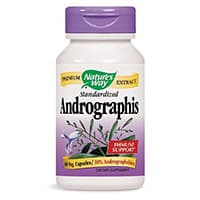
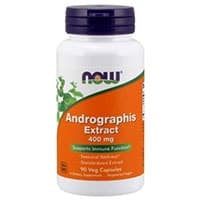
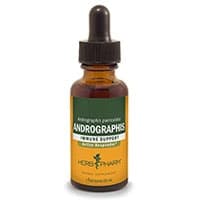
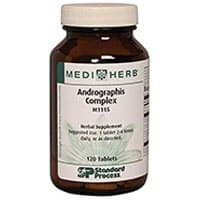
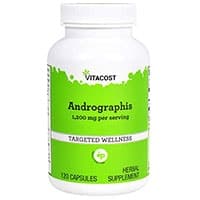
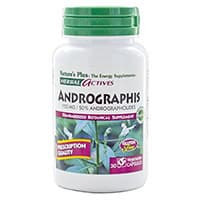
Why people shop andrographis supplements
Andrographis (Andrographis paniculata) is a bitter herb used in traditional systems and modern supplements, usually marketed for immune-season support, upper-respiratory comfort, and general wellness during high-stress periods. It often appears in “cold and flu season” shopping lists, but products vary widely in extract potency, standardization, and blend complexity. In real-world buying, the best option is usually the one with clear active disclosure and a dosing plan you can follow safely.
This guide is educational and not medical advice. If you have autoimmune disease, take immunosuppressants, blood thinners, blood pressure medication, or are pregnant/breastfeeding, speak with a qualified clinician before using andrographis. Supplements can interact with medications and are not replacements for clinical care when symptoms are significant.
Below the shortlist, you’ll find practical label checks, common mistakes, and FAQs to help you compare products like an informed buyer rather than relying on front-label promises alone.
How to use this guide
Use the ranked list as a quality-first filter, not a treatment protocol. Decide first whether you want a single-herb andrographis extract or a multi-ingredient immune blend. Single-ingredient products are generally easier to evaluate for tolerance and usefulness; blends can be convenient but often make it harder to pinpoint what helped (or caused side effects).
Many shoppers compare andrographis with other immune-season categories. For a different herb with broad seasonal positioning, see our echinacea supplements guide. For berry-based immune-support shopping, review our elderberry supplements guide. If you’re comparing concentrated herbal antimicrobial-style products, our oil of oregano supplements guide offers a useful contrast. These categories overlap in intent but differ in active compounds, side-effect patterns, and interaction profiles.
What to look for in an andrographis supplement
Clear extract amount and serving size
Start with the supplement facts panel: exact milligrams per serving and recommended daily frequency. If the product hides amounts in proprietary blends, it’s hard to compare value or dose consistency. In this category, transparency is a quality marker.
Standardization claims (andrographolides)
Some products standardize to andrographolides, often listed as a percentage. That can be useful if the total extract dose is also clear. A percentage alone is not enough if the serving amount is unclear or very low.
Single herb vs “immune matrix” formulas
Blends may include vitamin C, zinc, elderberry, echinacea, or mushrooms. That can be convenient, but it also increases variables and overlap with products you may already be taking. If your goal is to evaluate andrographis specifically, a single-herb formula is usually cleaner.
Duration and use pattern
Many shoppers use andrographis for short seasonal windows rather than continuous year-round use. Follow label directions and clinician guidance, especially if you’re managing chronic conditions or multiple medications.
Quality and testing transparency
Look for reputable manufacturing standards and clear testing language where available. Herbs sold for frequent seasonal use should have reliable sourcing and batch consistency.
Mistakes to avoid
- Using supplements to delay evaluation of serious symptoms. High fever, chest pain, shortness of breath, persistent worsening symptoms, or dehydration need prompt medical care.
- Stacking multiple immune blends without checking overlap. It’s easy to duplicate zinc, vitamin C, and herbal actives unintentionally.
- Assuming “natural” means interaction-free. Andrographis can still affect medication response and tolerance.
- Buying by marketing language only. “Immune defense” claims are generic; dosing disclosure and quality controls matter more.
- Changing several variables at once. New supplement + new meds + major diet changes makes outcomes hard to interpret.
FAQs
What is andrographis used for?
Most products are marketed for immune-season support and upper-respiratory comfort. It is a dietary supplement category, not an approved replacement for medical treatment of infections.
Can I take andrographis daily all year?
Some products are marketed for routine use, but many people use it in short-term windows. Long-term use decisions should be individualized with clinician input.
What side effects are commonly discussed?
Some users report GI upset, headache, taste changes, fatigue, or rash. Responses vary by dose and formula. Stop and seek medical advice if symptoms are persistent or severe.
Can I combine andrographis with echinacea or elderberry?
Possible, but combination products can increase complexity and overlap. If you combine categories, review total ingredients and discuss with your clinician when medications are involved.
Is andrographis safe in pregnancy?
Pregnancy and breastfeeding are not self-experiment zones for this herb; use only with clinician guidance.
How long should I trial a product?
If your clinician agrees with use, keep the trial structured and avoid changing multiple other supplements simultaneously so you can evaluate fit more clearly.
How we shortlist products
Our rankings prioritize transparent active disclosure, sensible serving design, manufacturing credibility, and label clarity over broad immune-marketing claims. We favor products that make dose and use-case easy to understand for real people. For full editorial criteria, see our methodology.
Bottom line
Andrographis can be a useful seasonal-support category for some readers when chosen carefully, but quality and context matter. The strongest product is usually one with clear extract data, practical dosing, and minimal unnecessary complexity.
If your symptoms are severe, prolonged, or medically complicated, use supplements only as adjuncts to clinician-guided care. Keep your stack simple, monitor response, and prioritize safety over “kitchen sink” immune formulas.