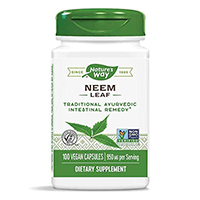
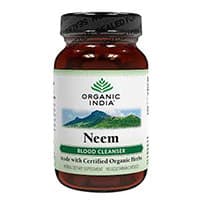
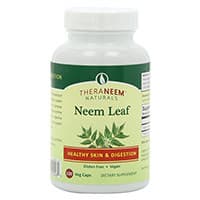
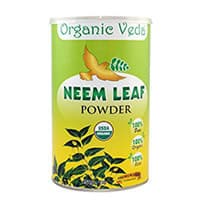
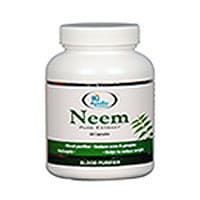
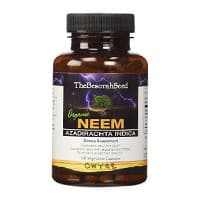
What neem supplements are (and why “neem” is not one single thing)
Neem usually refers to parts of Azadirachta indica, an evergreen tree used for centuries in South Asian traditional medicine and modern wellness marketing. In supplements, you will most often see neem leaf powder or leaf extracts in capsules—sometimes standardized, sometimes not—alongside occasional bark-focused products and topical oils that are not interchangeable with oral capsules.
That variety matters because “neem benefits” threads online often mash together immune support, metabolic support, skin clarity, oral hygiene culture, and even pest-control folklore. For shopping, the useful frame is narrower: what plant part, what extract or powder, what milligrams mean, and what you are actually trying to change in a measurable way.
This guide is educational, not medical advice. Neem is not a casual self-experiment if you are pregnant, trying to conceive, breastfeeding, have liver disease, take diabetes medications, take immunosuppressants, or have complex autoimmune conditions. Discuss use with a qualified clinician first.
How to use this guide
The shortlist helps you filter for label honesty, consistent sourcing, and brands that resist “ancient detox” hype. The body below helps you decide whether neem fits your goal and how to trial it without stacking five new botanicals the same week.
If you are browsing Ayurveda-adjacent botanicals, it helps to contrast formulas and tolerability expectations across categories. For traditional multi-herb digestion blends, see our triphala supplements guide. For a widely used adaptogen lane with different dosing and medication conversations, see our ashwagandha supplements guide. If your interest in neem is driven mainly by glucose-metabolism marketing, compare label discipline with our bitter melon supplements guide—different plant, different evidence, similar “buyer beware” patterns.
Who neem is often a fit for (and who should pause)
Often a reasonable fit when
- You want a conservative trial with a clearly labeled leaf product and stable lifestyle habits.
- You can monitor GI tolerance, energy, and (if relevant) glucose-related symptoms without panicking daily.
- You are not treating persistent infections, severe skin disease, or uncontrolled blood sugar with supplements alone.
Usually a poor DIY fit when
- Pregnancy, fertility treatment windows, or breastfeeding without explicit medical clearance.
- Active liver disease, abnormal liver labs, or heavy alcohol use where hepatotoxic risk is not theoretical.
- Immunosuppression or complex autoimmune management without specialist input.
What to look for in a neem supplement
Leaf powder vs leaf extract (and what standardization means)
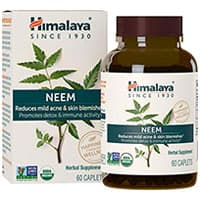
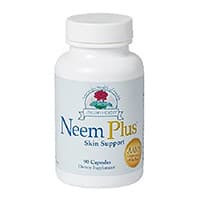
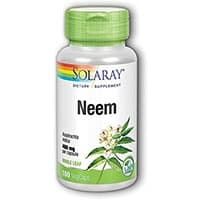
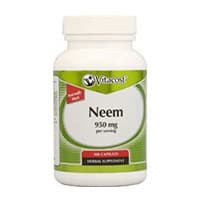
Leaf powder products can be fine, but they are not automatically equivalent to concentrated extracts. If a label advertises standardization (for example, azadirachtin or bitter marker language, depending on the product), it should be tied to a per-serving amount you can verify. If the label only says “neem,” treat potency as unknown.
Plant part clarity
Leaf-focused supplements are the common oral category. If you see bark-heavy positioning or ambiguous “whole plant” language, slow down: different parts can carry different chemistry and different caution profiles.
Standalone neem vs immune “shotgun” blends
Neem is sometimes buried in proprietary immune stacks. For a first trial, simpler formulas usually produce clearer feedback and fewer mystery interactions.
Manufacturing and contaminant seriousness
Botanical powders vary by sourcing and processing. Prefer brands with meaningful identity and purity testing language—not decorative badges—especially if you plan anything beyond short, occasional use.
Compare two neem labels in 60 seconds
- Step 1: Latin name Azadirachta indica and plant part stated?
- Step 2: mg per serving and servings per day—monthly cost at your dose?
- Step 3: Extract/standardization disclosed, or only generic powder?
- Step 4: Hidden blends where neem dose is unknown?
- Step 5: Pregnancy/fertility/liver cautions present—not “100% natural” silence?
Common mistakes that waste money (or create safety risk)
- Confusing oral capsules with neem oil products meant for external use.
- Using neem to postpone diagnosis of persistent infections, fasting hyperglycemia, or inflammatory skin conditions.
- Stacking multiple aggressive botanicals for “detox” or “parasite” narratives without medical evaluation.
- Buying the highest dose before knowing GI tolerance.
- Ignoring medication context—especially diabetes drugs where symptom shifts can be misleading.
What to monitor in the first 2–4 weeks
If your clinician supports a trial, track GI comfort, nausea, appetite changes, headache, fatigue, skin changes (if that was your goal), and—when medically appropriate—structured glucose checks you already use. Stop and seek guidance for yellowing eyes/skin, severe abdominal pain, persistent vomiting, dark urine, widespread rash, or fainting.
FAQs
What is neem used for in supplements?
Marketing often points toward immune support, skin clarity, oral health culture, and metabolic wellness framing. Human evidence across those claims is uneven, so the honest reason to try neem is usually a cautious personal experiment with clear labeling—not certainty of outcome.
Is neem safe?
“Common in traditional use” is not the same thing as “safe for everyone.” Context matters: dose, duration, plant part, pregnancy/fertility, liver health, and medications. If any of those are non-trivial in your life, this is clinician territory.
Can neem affect blood sugar?
Neem is sometimes discussed in glucose-related contexts, but supplements are not a substitute for medical diabetes management. If you take glucose-lowering medications, hypoglycemia symptoms can become harder to interpret when you add new variables.
Can I take neem daily long term?
Some people do, but long duration should match a goal and medical context. If you are not seeing benefit after a disciplined trial, continuing indefinitely is usually habit, not strategy.
Does neem interact with medications?
Herb–drug interaction data for neem is not as tidy as a single-drug textbook entry, which is why conservative stacking matters. Bring the exact label to a pharmacist if you take immunosuppressants, anticoagulants, diabetes medications, or multiple prescriptions.
Is neem safe in pregnancy?
Do not self-prescribe. Traditional warnings and modern caution often align here: pregnancy and fertility planning deserve explicit medical guidance, not forum confidence.
How we shortlist products on this page
We prioritize transparent botanical identity, honest serving math, manufacturing credibility, and claims that stay inside plausible evidence boundaries. For how we evaluate products across the site, read our methodology.
Bottom line
Neem can be a reasonable trial for some adults when the label is clear, expectations are grounded, and medical context is uncomplicated. The best buys are usually simple leaf products from quality-forward brands—especially if you avoid mystery immune blends and treat early side effects as hard data.
If symptoms are persistent, severe, or systemic, prioritize diagnosis and clinician-directed care. Supplements can be adjunct curiosity; they should not be the firewall between you and real medical evaluation.