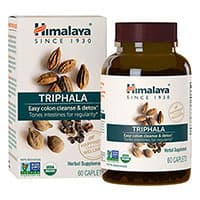
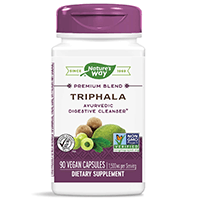
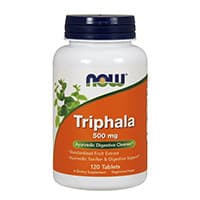
What “triphala” means on a supplement label
Triphala is a traditional Ayurvedic blend of three dried fruits: amalaki (Indian gooseberry, Emblica officinalis), bibhitaki (Terminalia bellirica), and haritaki (Terminalia chebula). In supplements, you will usually see it as a powder, capsule, or tablet marketed toward digestion, regularity, “gentle cleansing,” or general wellness framing.
That three-fruit identity matters for shopping because triphala is not one molecule—it is a formula. Two products can both say “triphala” while differing in fruit ratios, extract strength, processing, and how aggressively the brand leans into laxative-adjacent positioning versus everyday digestive support.
This guide is educational, not medical advice. If you have inflammatory bowel disease, unexplained GI bleeding, severe abdominal pain, diabetes medications, are pregnant or breastfeeding, or take anticoagulants and stack many botanicals, discuss triphala with a qualified clinician before use.
How to use this guide
Use the shortlist to filter for label honesty, consistent sourcing, and credible quality testing—especially important in categories where powders and imported botanicals vary widely batch to batch. Use the sections below to decide whether triphala matches your goal (regularity versus broader “gut health” language) and how to run a fair personal trial without changing five habits at once.
Because amalaki is literally one leg of the triad, shoppers comparing “amla alone” versus “triphala” are often trying to choose between a single-ingredient product and a traditional blend. For that parallel lane, see our amla supplements guide. If your primary goal is predictable fiber-driven regularity, triphala may overlap conceptually with psyllium—but they are not interchangeable tools. If you are building a longer-horizon microbiome routine, you may also be weighing botanicals alongside probiotics (different mechanism, different success metrics).
Who triphala is often a fit for (and who should pause)
Often a reasonable fit when
- You want a structured trial for mild digestive discomfort with clear expectations about laxation.
- You can hydrate consistently and tolerate gradual dose titration.
- You are not already stacking multiple laxative-style products.
Usually a poor DIY fit when
- You have red-flag GI symptoms (black stools, severe pain, persistent vomiting, unexplained weight loss).
- You need aggressive “cleanse” results fast—high cramping and dehydration risk behaviors belong in medical care, not supplement escalation.
- You take medications with narrow absorption windows and cannot separate dosing safely.
What to look for in a triphala supplement
1:1:1 versus unstated ratios
Traditional discussions often assume balanced proportions, but supplements do not automatically follow that. If ratio matters to you ethically or practically, buy brands that disclose it. If the label only says “triphala blend,” treat ratio as unknown.
Powder vs capsule: adherence and taste
Powders can be economical and flexible (mixed into water or yogurt), but taste can be a barrier. Capsules trade cost for convenience. Pick the format you will actually take nightly or on schedule—consistency matters more than “raw traditional form.”
Extract type and “equivalency” marketing
Watch for vague “herbal equivalent” claims that obscure real serving weights. You should be able to identify milligrams per serving, how many servings per day the brand expects, and what that implies monthly.
Regularity goals: titrate instead of hero-dosing
Products marketed for digestion can still produce cramping or loose stools in sensitive users—especially when dehydration, low fiber baseline, or other laxatives are in the background. Start conservative unless a clinician directs otherwise.
Sourcing, identity testing, and contaminants
Botanical powders benefit from brands that take identity testing seriously (right species, right plant part) and publish meaningful quality programs. This is less about “luxury branding” and more about reducing variability in a multi-fruit mixture where substitution and processing differences can change tolerability.
Compare two triphala labels in 60 seconds
- Step 1: Are all three fruits named with Latin binomials?
- Step 2: mg per serving and suggested servings per day—does the math match your intent?
- Step 3: Is it mostly triphala, or triphala buried under a “detox” proprietary stack?
- Step 4: Allergen and additive profile (capsule fillers, sweeteners in powders)?
- Step 5: Quality testing claims—specific program versus decorative badges?
Common mistakes that waste money (or upset your stomach)
- Stacking triphala with senna-like routines, magnesium citrate “protocols,” and aloe laxative-adjacent products—then blaming “bad luck.”
- Using triphala to delay endoscopy or evaluation when symptoms are worsening.
- Buying the largest powder bag before knowing taste tolerance.
- Ignoring hydration while chasing bowel frequency changes.
- Changing diet, travel, antibiotics, and triphala simultaneously, making effects impossible to interpret.
What to monitor during the first 2–4 weeks
If medically appropriate, track stool frequency and consistency (using a simple scale you can repeat), cramping, bloating, reflux changes, hydration, sleep (GI distress disrupts sleep), and medication timing issues. Stop and seek care for severe abdominal pain, bloody stools, high fever, signs of dehydration, or fainting.
FAQs
What is triphala traditionally used for?
Traditional Ayurvedic contexts describe broad digestive and systemic “tonic” roles, but modern supplement marketing often compresses that into “gut health” language. For buying purposes, treat triphala as a botanical blend with variable individual tolerance and modest, person-specific outcomes—not a guaranteed reset button.
Will triphala make me go to the bathroom more?
Some users notice looser stools or more frequent bowel movements, especially at higher servings or when combined with other GI-active supplements. Others notice little change. Your baseline fiber intake, hydration, microbiome, and concurrent medications dominate the story more than influencer anecdotes.
Can I take triphala daily?
Many products suggest daily use, but “daily forever” is a clinician question if you have bowel disease, are pregnant, take blood thinners, or use diabetes medications. Long-term laxative-style habits can also mask causes that need diagnosis.
Does triphala interact with medications?
Herb–drug interaction data for triphala specifically is not as tidy as a single-drug textbook entry, which is exactly why conservative stacking matters. Separation rules can matter for absorption-sensitive drugs; a pharmacist can map your actual list to safe timing.
Is triphala safe in pregnancy?
Do not treat traditional use as automatic modern safety. Pregnancy and breastfeeding decisions should be clinician-directed.
How long should I test one product?
If your clinician agrees, use one transparent product for 2–4 weeks with stable hydration and meal patterns before switching brands. Brand-hopping weekly creates noisy, useless self-experiments.
How we shortlist products on this page
We emphasize transparent botanical identity, sensible serving disclosure, manufacturing credibility, and brands that resist “detox” hysteria while still being honest about laxation potential. For how we evaluate products across categories, read our methodology.
Bottom line
Triphala supplements can be a reasonable option for some adults with mild digestive goals when labels are clear and expectations stay grounded. The best purchases are usually simple formulas from quality-forward brands—especially if you choose powders—plus the boring fundamentals: hydration, fiber adequacy, and medical evaluation when symptoms are not mild.
If triphala becomes a way to tolerate worsening GI problems, pause the experiment and get real diagnostics. Supplements should not be the lid on a pot that is boiling over.