Who this policosanol guide is for
Policosanol is a lipid-health-adjacent supplement category: shoppers often arrive here while comparing plant-derived options alongside fish oil, niacin, garlic extracts, and other “cardiovascular wellness” staples. The hard part is not finding a policosanol bottle—it is finding one with clear milligram labeling, honest serving design, and a monthly cost that survives real dose math.
This guide is for adults comparing policosanol supplements with a practical, label-first mindset. The ranked products above are your shortlist; the sections below help you evaluate milligrams per serving, tablet/capsule burden, blend transparency, and how policosanol fits (or does not fit) next to other products you may already take.
Educational only—not medical advice. If you have diagnosed cardiovascular disease, high lipids on labs, take statins or other prescriptions, or have complex medical conditions, your clinician’s plan comes first. Supplements are not substitutes for diagnosis, monitoring, or prescribed therapy.
How to use this page (shortlist + comparison framework)
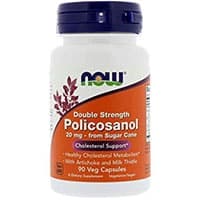
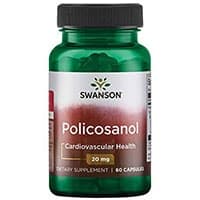
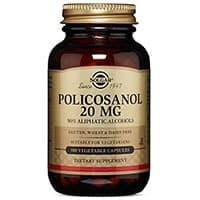
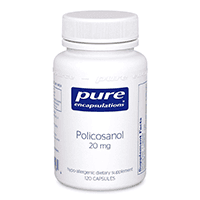
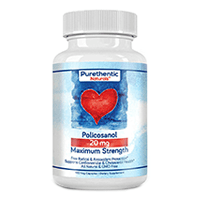
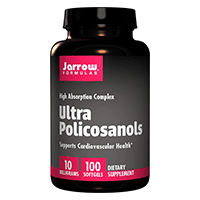
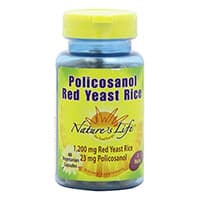
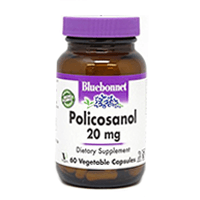
Use a two-step workflow. First, pick 2-3 finalists from the ranked list above based on label clarity and realistic daily servings. Second, compare those finalists side by side for policosanol mg per serving, total daily intake, and whether the formula is standalone or blended with other ingredients.
The ranking block reflects our site’s data and editorial review process; this article does not re-list products or replace the shortlist order. For transparency on how ranking information is presented across Top10Supps, see our methodology page.
Because policosanol is frequently cross-shopped with other lipid-adjacent categories, compare label discipline consistently. If you would demand clear milligram disclosure on a niacin product, demand it here too—start with niacin supplements as a reference category for how serious brands communicate serving design and daily burden.
What to look for in a policosanol supplement
1) Milligrams per serving: the core comparison number
Begin with the supplement facts panel: how many milligrams of policosanol per serving, and how many servings per day the label expects. If you cannot establish those basics quickly, you cannot compare value across brands or judge whether a product matches your intended routine.
Be cautious with front-label hype. “Supports healthy cholesterol” style language is common in this shopping niche, but your practical buying tools are still milligrams, servings, and monthly cost—not adjectives.
2) Source and standardization language (what matters for shoppers)
Policosanol supplements may reference sugar cane or other sourcing contexts depending on the brand. You do not need to memorize every manufacturing detail, but you should prefer products that explain what you are buying in plain supplement facts language rather than relying on vague “premium extract” positioning.
If two products are priced similarly, the more transparent label is usually easier to evaluate for tolerance, stack overlap, and long-term adherence.
3) Standalone policosanol vs blends with other cardiovascular-positioning ingredients
Some formulas keep policosanol as the primary ingredient. Others combine it with additional compounds marketed toward lipid or circulation goals. Blends are not automatically bad, but they must earn their complexity: each meaningful ingredient should be clearly dosed so you can understand what you are paying for.
If a blend hides multiple actives in proprietary complexes, you lose the ability to troubleshoot side effects, avoid redundancy, or compare monthly cost fairly.
4) Stack overlap: fish oil, garlic, niacin, and the “one more bottle” problem
Many shoppers already take omega-3 products or other lipid-adjacent supplements. Before adding policosanol, write down your current stack and the goal of each item. Redundancy is expensive and confusing: you may be paying for three products that partially overlap in intent without a clear role separation.
For fatty-acid products, compare transparency norms using fish oil supplements as a benchmark category—EPA/DHA milligrams, servings per day, and container economics—so you can keep fish oil decisions separate from policosanol decisions.
For garlic-focused products sometimes used in similar shopping journeys, review garlic supplements as its own lane. The point is not to stack everything—it is to avoid accidental doubling of “heart health” categories without a plan.
5) Tablet/capsule burden and adherence
Lipid-adjacent routines fail when the supplement schedule is unrealistic. Check how many tablets or capsules are required per day, whether split dosing is expected, and whether you can maintain that schedule through travel and busy weeks.
A slightly lower-potency product you take consistently often beats a “stronger” label you abandon because the serving count is annoying.
6) Medication interactions and monitoring context
If you take prescriptions—especially lipid-lowering drugs, blood pressure medications, anticoagulants or antiplatelet drugs, or anything with narrow dosing windows—do not improvise stack changes. A pharmacist can help with timing and interaction questions using your actual medication list.
Also keep expectations grounded: supplements are not a safe substitute for lab monitoring or clinician-directed therapy when you have diagnosed disease risk.
7) Cost per month at realistic intake
Calculate monthly cost using:
- mg per day you intend to use (per label)
- servings per container
- whether discounts require buying multiple bottles
Sticker price is misleading when two bottles have different serving sizes or different “days per container” at your real intake.
Common mistakes to avoid
- Buying vague “heart support” branding without mg clarity.
- Stacking multiple lipid-adjacent products without defining roles.
- Ignoring prescription context.
- Expecting rapid lab changes without medical oversight.
- Switching products weekly—adherence and tolerance need time to evaluate responsibly.
FAQs
What is policosanol used for in supplements?
Products are typically positioned in lipid-health and cardiovascular wellness contexts, but individual needs vary. Your best approach is label transparency, realistic serving design, and clinician guidance if you have medical risk factors or take medications.
Is policosanol a replacement for statins?
No. That is a medical decision. Do not substitute supplements for prescribed therapy without a clinician’s direction.
Can I combine policosanol with fish oil?
Some people combine categories, but medical context matters—especially if you take blood thinners or have bleeding risk factors. Ask a professional when unsure.
Should I take policosanol with food?
Follow the product label and your clinician’s guidance. Consistency matters more than chasing perfect timing on day one.
How long should I trial one product?
Give one product enough consistent use to judge tolerability and adherence. If you have adverse symptoms, stop and seek guidance.
What if I do not tolerate tablets well?
Try a different brand’s tablet coating/capsule type, or discuss alternatives with a clinician—especially if swallowing is difficult.
How we shortlist products
Our shortlist is built from structured product data and editorial review criteria focused on transparency, practical usability, and value. Rankings can change as formulations and availability change.
Bottom line
The best policosanol supplement is usually the one with clear milligram labeling, a realistic daily serving you can maintain, and a monthly cost that still makes sense after dose-adjusted math—without redundant overlap in the rest of your stack.
Keep decisions clinician-informed when disease risk or prescriptions are involved, and prioritize label clarity over marketing language.