Who this rose hips guide is for
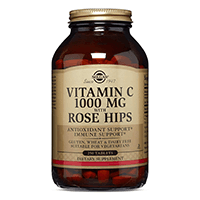
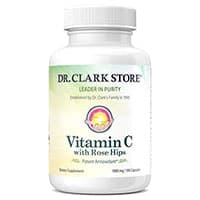
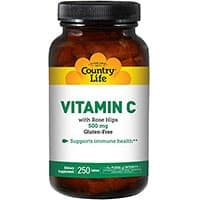
Rose hips are commonly used in supplements aimed at vitamin C–oriented routines, antioxidant-focused stacks, and joint wellness shopping contexts—depending on the product design. The category challenge is that “rose hip” on a label can mean very different products when you compare extracts, whole powder, and blends.
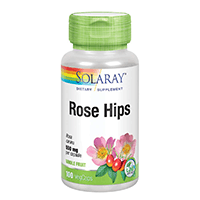
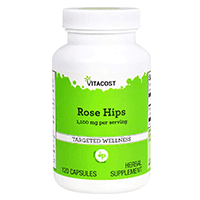
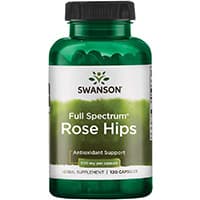
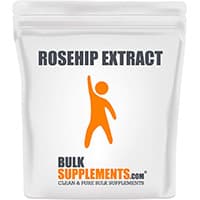
This page is for adults who want a practical way to evaluate rose hip supplements. The ranked list above is your shortlist; this article helps you compare identity clarity, vitamin C labeling context, blend transparency, and monthly value.
Educational only. If you have medical conditions, take medications, are pregnant or breastfeeding, or are unsure about high-dose vitamin C contexts, ask a clinician.
How to use this page
Choose 2-3 finalists from the ranked products above, then compare them using the checks below—especially whether the product is primarily rose hip powder, extract, or part of a multi-ingredient formula, and what that means for serving math.
Because rose hips are often discussed alongside vitamin C routines, benchmark label clarity against vitamin C supplements so you can separate rose hip products from standalone vitamin C products intentionally.
What to look for in a rose hip supplement
1) Product type: whole herb vs extract vs blend
Identify what you are buying first. Different formats are not automatically interchangeable without label review.
2) Vitamin C context without confusion
Some products highlight vitamin C content; others focus on rose hip as a botanical ingredient. Your job is to understand what the label is actually claiming and what you are paying for.
3) Joint/skin stacks and overlap checks
If your interest is joint wellness adjacent, compare whether your stack already includes collagen or other connective-tissue products. For collagen comparisons, use collagen supplements as a separate lane with its own serving logic.
4) Antioxidant routine coherence
If you already use polyphenol-heavy products, add rose hips intentionally. For broader antioxidant category comparisons, fish oil supplements can be a useful reference point for how serious brands communicate potency and serving design—different category, same buyer discipline.
5) Cost per effective month
Calculate monthly cost at realistic intake, not container price alone.
Common mistakes to avoid
- Assuming all rose hip products are equivalent.
- Confusing botanical rose hip with a vitamin C product without reading the panel.
- Overstacking redundant antioxidant products.
- Ignoring capsule burden.
- Switching brands weekly. Consistency matters for evaluating adherence.
FAQs
Are rose hips mainly for vitamin C?
Products vary. Use the label to determine what the formula is actually delivering and whether it matches your goal.
Powder or capsules?
Choose based on adherence and lifestyle fit.
How do rankings work on Top10Supps?
See our methodology page.
Bottom line
The best rose hip supplement is usually the one with clear product-type labeling, transparent serving design, and a monthly cost that still makes sense after dose-adjusted math.