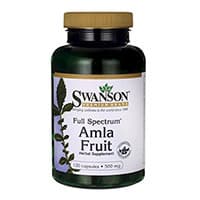
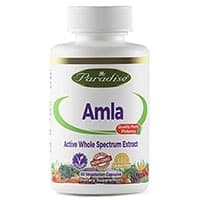
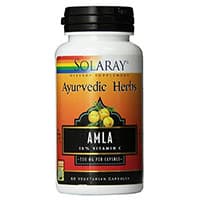
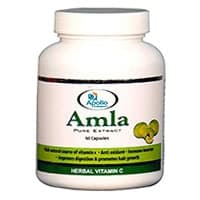
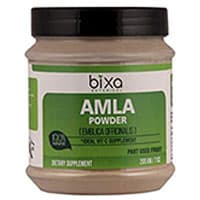
Why people shop amla supplements
Amla—Indian gooseberry, Phyllanthus emblica—is a tart fruit with a long history in Ayurvedic traditions and modern supplement aisles as powders, juices, and concentrated extracts. Marketing often leans on antioxidant and vitamin-C-adjacent language, sometimes alongside hair, skin, digestion, and metabolic “support.” This guide stays educational: amla is food and botanical extract territory, not a substitute for medical care when you have diagnosed conditions or take glucose-lowering drugs.
If you take anticoagulants, have gallstones or biliary disease, or you are pregnant, breastfeeding, or managing diabetes, discuss concentrated amla products with a qualified clinician—especially if you already take other polyphenol-heavy supplements or fruit-extract blends.
Below the shortlist, we cover fruit powder vs. extracts, label-reading for vitamin C claims, realistic expectations, and common mistakes. For how we evaluate products in ranked guides, see our methodology.
How to use this guide
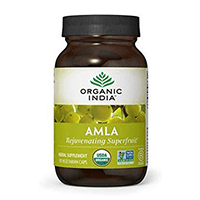
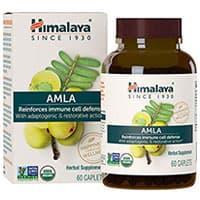
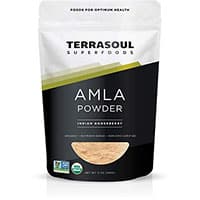
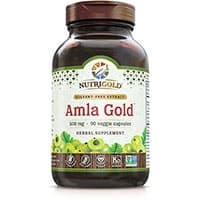
Use the ranked list as a transparency-first filter: amla products vary from whole-fruit powders (smoothie-friendly) to standardized extracts in capsules. Decide whether you want a culinary-style powder with broader food matrix compounds or a capsule extract aimed at consistent daily intake—those are different shopping jobs even when the plant name matches.
Readers often compare amla with other staples from Ayurveda-influenced supplement culture. If you are evaluating adaptogenic stress support from a different plant, read our ashwagandha supplements guide. For curcumin-forward inflammation-adjacent shopping with different standardization language, see turmeric supplements. Because amla is frequently discussed near vitamin C and bioflavonoid conversations, our vitamin C supplements guide helps separate ascorbic acid priorities from whole-fruit powders.
What to look for
Fruit powder vs. extract—and what “standardized” should show
Whole fruit powders can be economical and versatile, while extracts may be easier to compare when brands publish clear milligrams and—when claimed—marker compounds or titrated polyphenol language. If the label is loud but the supplement facts are vague, keep shopping.
Vitamin C: inherent content vs. fortified products
Amla is naturally associated with vitamin C, but supplement labels still deserve scrutiny: some products add ascorbic acid while marketing “amla vitamin C.” Read the panel to know whether you are buying fruit matrix, added vitamin C, or both.
Purity, heavy metals, and pesticides
Fruit powders and concentrates can vary by agricultural sourcing. Organic certification is one signal; third-party contaminant testing is another—especially if daily use is your plan.
GI tolerance and sugar load
Juice-style products may add sugars; powders can upset sensitive stomachs at higher servings. If you track carbohydrates closely, treat amla drinks like any other labeled beverage.
Who should be especially cautious
- Diabetes medications: additive effects on glucose can be unpredictable—medical supervision matters.
- Bleeding risk and anticoagulants: concentrated polyphenol products deserve pharmacist review.
- Gallbladder disease: discuss concentrated fruit extracts with your clinician if you have a history of symptoms.
Mistakes to avoid
- Buying color instead of specs. Bright green branding does not prove potency.
- Stacking multiple antioxidant products blindly. You can duplicate polyphenols across greens powders, multis, and berry stacks.
- Replacing produce with capsules. Whole foods still matter for fiber and dietary diversity.
- Ignoring added sweeteners in “health” drinks. Read the nutrition facts, not the front label story.
FAQs
What is amla?
Amla is the fruit of Phyllanthus emblica, sold as powders, juices, and extracts. It is not an essential vitamin by itself; it is a botanical/food supplement people choose for personal wellness goals.
Is amla the same as triphala?
Not exactly—triphala is a traditional combination formula. If you want amla specifically, buy a product that identifies amla clearly rather than assuming a blend matches your intent.
What does amla taste like?
Tart and astringent—many people mix powders into yogurt or smoothies; others prefer capsules to avoid flavor.
What side effects are commonly discussed?
GI upset, reflux, or loose stools appear in anecdotal reports—responses vary. Stop and seek medical advice for severe abdominal pain, allergic symptoms, or concerning changes if you take chronic medications.
Can athletes use amla?
Some active people add polyphenol-rich foods and supplements to busy training schedules. If you compete under anti-doping rules, document sourcing—this guide cannot certify eligibility.
How long should I evaluate a transparent product?
Skin, digestion, and subjective energy signals are noisy. If you trial a product, keep sleep, caffeine, and training stable for a few weeks before judging—avoid changing five variables at once.
How we shortlist products
Our rankings reward clear botanical identity, honest disclosure of added nutrients, credible sourcing and testing cues, and practical fit—powder versus capsule, minimalist versus blends. Rankings are editorial guidance, not medical advice. For the full framework, read the methodology page.
Bottom line
Amla supplements can be a coherent choice if you want a tart, polyphenol-rich fruit ingredient with deep cultural usage and modern antioxidant marketing—but the best pick is still the one with a supplement facts panel you can trust. Prioritize transparency, watch for sugary juice products, and treat medication interactions as non-negotiable pharmacist topics.
Use the shortlist to narrow credible candidates, then choose based on taste tolerance, convenience, and whether you truly want amla alone or as part of a broader formula.