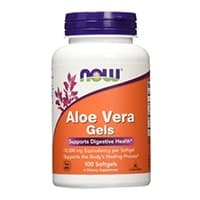
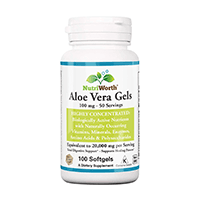
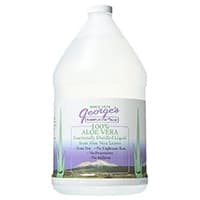
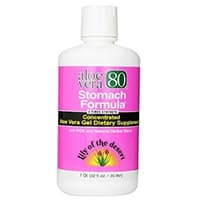
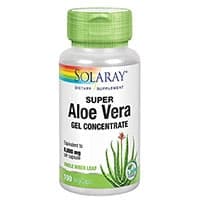
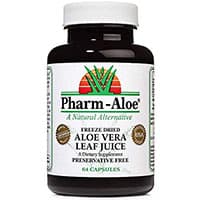
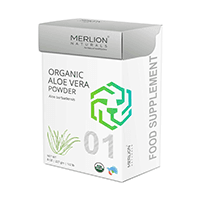
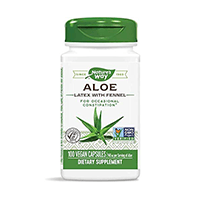
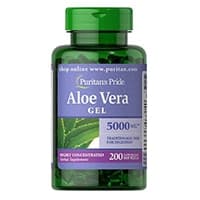
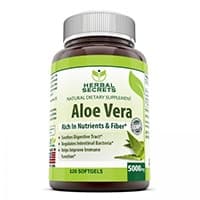
Why people shop aloe vera supplements
Aloe vera is one of the most recognizable botanicals in wellness, but “aloe supplement” can mean very different things depending on the product: inner leaf gel concentrates, whole-leaf preparations, powders, capsules, and sometimes laxative-style formulas that include aloe-derived anthraquinones. That variety matters because the best product for you depends on your goal (digestive comfort vs bowel regularity vs skin-support marketing) and whether you are buying the right part of the plant for that goal.
Most shoppers arrive here for digestive comfort, occasional constipation support, or “gut healing” language from social media. A smaller group uses aloe in broader anti-inflammatory marketing stacks. In all cases, the practical buying rule is the same: label clarity beats brand familiarity. If you cannot tell what part of the plant you are taking, what milligrams mean, and whether the product includes laxative compounds, you cannot compare products fairly.
This guide is educational and not medical advice. If you have inflammatory bowel disease, unexplained bleeding, severe abdominal pain, kidney disease, diabetes medications, electrolyte issues, or take medications with narrow absorption windows, discuss aloe supplementation with a qualified clinician before use. Pregnancy and breastfeeding are not self-experiment contexts for laxative-adjacent aloe products.
How to use this guide
Use the ranked list as a quality-and-fit filter, not as a treatment protocol. Start by choosing one clear objective:
- Gentle digestive comfort support (often inner-leaf gel positioning)
- Bowel regularity support (often a different product class with different risk profile)
- Stack simplification if you already take multiple GI products
Then match format to routine reality. Capsules are convenient but can hide weak active amounts inside blends. Liquids can be flexible but may include sweeteners or flavors. Powders can be economical but require consistent mixing and hydration discipline.
If you are comparing adjacent digestive-soothing categories, see our marshmallow root supplements guide for mucilage-forward herbal support, our licorice root supplements guide for DGL vs regular licorice context in GI routines, and our dandelion root supplements guide for another digestive/liver-adjacent botanical lane with different cautions.
For full ranking criteria and product-evaluation standards across the site, see our methodology.
Who this category is for (and who should avoid DIY laxative use)
Usually a better fit for
- Users with mild GI discomfort who want a structured trial with clear labeling.
- People willing to track bowel habits, hydration, and meal triggers honestly.
- Shoppers who prioritize inner-leaf transparency and conservative dosing.
Usually a poor fit for unsupervised use
- Anyone with significant GI bleeding, unexplained weight loss, or persistent severe pain.
- Users seeking “colon cleanse” extremes or chronic laxative dependence.
- People on complex medication schedules without pharmacist review of timing interactions.
How to compare two aloe labels in 60 seconds
- Step 1: Confirm plant part: inner leaf gel vs whole leaf vs unspecified blend.
- Step 2: Confirm exact mg/ml per serving and whether anthraquinone/laxative compounds are present.
- Step 3: Check if product is standalone aloe or buried in proprietary GI blends.
- Step 4: Check sugar/additives in liquids and realistic monthly cost.
- Step 5: Check cautions for pregnancy, electrolytes, and medication timing.
If laxative components are unclear, treat the product as high uncertainty and move on.
What to look for in an aloe vera supplement
Inner leaf vs whole leaf clarity
Inner leaf preparations are often marketed for gentler digestive support positioning, while whole-leaf products can carry different compound profiles depending on processing. If the label does not specify, you cannot assume safety equivalence.
Laxative risk and anthraquinone context
Some aloe-derived products are associated with stronger bowel effects. Chronic laxative-style use can create dependence patterns and electrolyte concerns. If your goal is comfort rather than aggressive bowel stimulation, avoid ambiguous “cleanse” formulas.
Standalone aloe vs multi-ingredient GI stacks
Many products combine aloe with enzymes, probiotics, herbs, and fibers. Blends can be convenient but make troubleshooting harder. For first-time trials, simpler formulas usually produce clearer feedback.
Hydration and fiber fundamentals
Aloe is not a substitute for adequate water intake and baseline fiber strategy. If hydration is poor, GI routines usually feel inconsistent regardless of supplement choice.
Medication timing and absorption context
Because GI-active supplements can affect medication timing in some cases, pharmacist review is smart if you take multiple oral prescriptions.
Common mistakes that waste money (or create risk)
- Buying “aloe” without knowing if it is a laxative-style product.
- Using aloe to delay evaluation of red-flag GI symptoms.
- Stacking multiple laxative-adjacent products at once.
- Ignoring electrolyte symptoms: cramping, dizziness, weakness, palpitations.
- Choosing sugary aloe drinks marketed as health products.
What to monitor in your first 2-4 weeks
If your clinician supports a trial, track:
- Bowel pattern: frequency, urgency, comfort, and cramping.
- GI tolerance: reflux, bloating, nausea, or pain changes.
- Hydration quality: daily water consistency.
- Medication timing effects: any unusual symptom shifts should trigger review.
- Adherence: can you follow the protocol consistently without friction?
Stop and seek medical guidance for black/tarry stools, severe abdominal pain, persistent vomiting, high fever, or signs of dehydration.
FAQs
What is aloe vera used for in supplements?
Common uses include digestive comfort support and bowel regularity routines depending on formulation. It is not a replacement for diagnosing GI disease.
Is aloe juice the same as aloe capsules?
No. Liquids and capsules differ in concentration, additives, and practical dosing consistency.
Can I take aloe every day?
Some users do, but daily use should match your goal and clinician guidance—especially if laxative components are involved.
What side effects are commonly discussed?
GI upset, cramping, diarrhea, electrolyte-related symptoms in aggressive laxative contexts, and allergic sensitivity in rare cases.
Can aloe replace fiber supplements?
Not usually. Fiber-first strategies (food + structured fiber supplements when appropriate) often outperform “herbal cleanse” thinking.
How long should I trial one product?
If medically appropriate, use one transparent product for 2-4 weeks with stable hydration and meal habits before judging.
Is aloe safe in pregnancy?
Do not self-prescribe laxative-adjacent aloe products in pregnancy. Use only with clinician guidance.
Bottom line
Aloe vera supplements can be useful for some users when the product matches the goal and the label is transparent about plant part, processing, and laxative risk. The best product is usually one with clear serving disclosure, minimal unnecessary additives, and a routine you can sustain without GI chaos.
Keep your trial simple, monitor bowel and hydration signals honestly, and prioritize medical evaluation for red-flag symptoms. In this category, clarity and conservative use beat aggressive “cleanse” marketing.