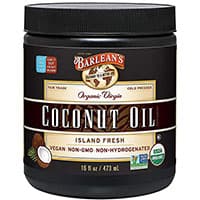
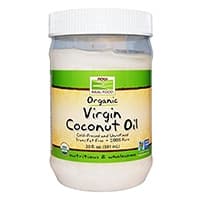
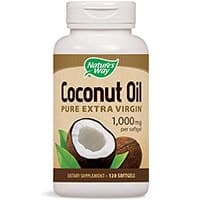
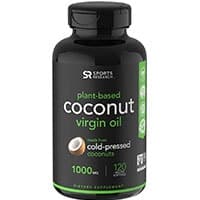
Why people shop coconut oil products
Coconut oil is mostly saturated fat—particularly lauric acid—sold as jars for cooking and baking, sometimes as sprays, fractionated “MCT-style” liquids, or beauty-focused SKUs marketed for skin and hair. Shoppers usually want one of three things: a stable fat for high-heat cooking, a neutral-flavor option for everyday use, or a minimally processed jar with more coconut aroma. “Best” here means honest labeling, sensible use case, and quality cues you can verify—not miracle claims.
This guide is educational, not medical advice. Dietary fat choices matter for cardiovascular risk in the long run, and individual needs vary with your overall eating pattern, lipid labs, and clinician guidance. If you are managing heart disease, familial hypercholesterolemia, or complex metabolic conditions, treat coconut oil like any other major fat swap: discuss it with your care team rather than optimizing from packaging alone.
Below the shortlist, we cover virgin vs. refined, smoke points, organic and cold-pressed language, and how to avoid buying the wrong product for the job. For how we evaluate picks in ranked guides, see our methodology.
How to use this guide
Use the ranked list as a practical map across formats—glass jars, plastic tubs, sprays, and specialty oils—not as a prescription. Decide your primary job first: deep frying vs. sautéing vs. baking vs. skin/hair use. The “best” oil for stir-fry smoke points is often not the same jar you would choose for a mild cake recipe.
If you are comparing coconut-derived fats with products engineered for higher ketone-friendly fat intake, read our MCT oils guide—different processing, different fatty-acid profile, different label math. If your goal is omega-3 intake from marine sources rather than saturated plant fats, fish oil supplements cover a separate nutrient lane entirely. For softgel “oil” supplements with a different intent (GLA-focused formulas), evening primrose oil supplements illustrate how “oil” on a label can mean something very different from a pantry jar.
What to look for
Virgin (unrefined) vs. refined: flavor and heat tolerance
Virgin coconut oil is typically made from fresh coconut meat with more aroma and coconut flavor—great when you want that character, less ideal when you need a neutral fat. Refined coconut oil is usually deodorized and more heat-tolerant in practice for many kitchens, with a milder scent. Match the type to the recipe, not to whichever bottle has the prettiest sunset photo.
Smoke point claims: useful, but kitchen technique still matters
Smoke point varies by refinement, moisture, and food debris in the pan. Treat advertised numbers as guidance, not physics guarantees—if oil is smoking heavily, you are past a healthy cooking zone regardless of marketing.
“Cold-pressed,” organic, and fair-trade cues
Organic certification can matter if pesticide residues are a priority for you. “Cold-pressed” signals processing temperature philosophy; it is not automatically synonymous with better nutrition for every person. Fair-trade or sourcing transparency may matter if ethics are part of your purchase.
Fractionated / “liquid” coconut oil vs. standard jars
Some products stay liquid at room temperature because they are formulated differently from standard coconut oil. Read the label: if you wanted classic solid coconut oil for baking texture, a liquid fractionated bottle may disappoint.
Beauty SKUs vs. food-grade jars
If a listing is clearly cosmetic, assume different purity expectations and labeling rules than culinary oil. Do not casually repurpose unknown cosmetic oils into high-heat cooking.
Mistakes to avoid
- Using virgin coconut oil for every high-heat task and then blaming “bad oil” when flavor or smoke becomes an issue—choose refined when neutrality and heat behavior matter.
- Treating coconut oil like an omega-3 strategy. It does not replace marine omega-3 sources if those are your nutritional targets.
- Buying giant tubs without a storage plan. Light, heat, and repeated scoop contamination affect freshness—store tightly closed and use clean utensils.
- Confusing MCT marketing with plain coconut oil. Different products, different goals—compare labels, not vibes.
FAQs
Is coconut oil healthy?
It is a calorie-dense fat source. Whether it fits your pattern depends on what it replaces (refined carbs, other fats), your overall diet quality, and your clinician’s advice—especially if lipids are a concern.
Should I refrigerate coconut oil?
Room temperature storage is typical; refrigeration can harden it further and is optional unless the brand directs otherwise. Keep it away from stoves and direct sun.
What does “extra virgin” mean for coconut oil?
Unlike olive oil, terminology is less standardized globally—read processing descriptors and country of origin instead of assuming olive-oil rules apply.
Can I use coconut oil on skin?
Many people do; others find it comedogenic. Patch-test if you are acne-prone, and prefer products labeled for cosmetic use if that is your primary intent.
Does coconut oil help weight loss?
Calories still count. Any fat can fit a plan; none is a magic lever by itself.
How do I tell if coconut oil went bad?
Off odors, rancid notes, or unusual discoloration are warning signs. When in doubt, replace it—rancid fat is not worth saving a few dollars.
How we shortlist products
Our rankings reward clear product type (virgin vs. refined vs. fractionated), honest labeling, credible sourcing cues, packaging quality for everyday kitchens, and fair value for the category you are actually buying—not a one-size “healthiest oil on earth” fantasy. Rankings are editorial guidance, not medical nutrition therapy. For the full framework, read the methodology page.
Bottom line
Coconut oil products are worth comparing when you know the job—aromatic virgin fat for certain recipes, refined for neutral high-heat work, or specialty formats when label accuracy matches your intent. Prioritize correct product type, storage discipline, and realistic expectations about saturated fat within your overall diet.
Use the shortlist to match oil to cooking behavior first—then optimize for organic, cold-pressed, or ethical sourcing if those priorities matter to you.