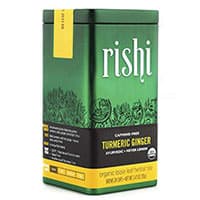
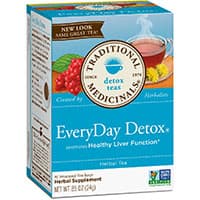
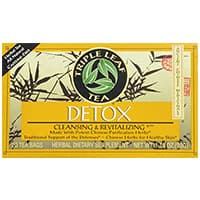
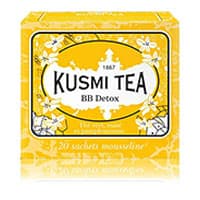
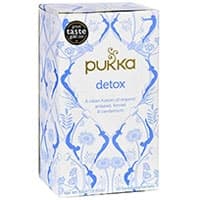
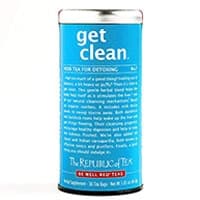
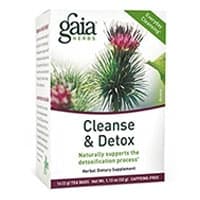
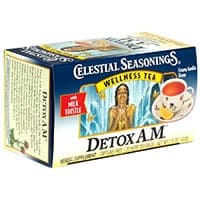
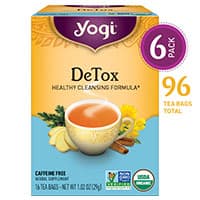
What “detox tea” usually is (herbal blends, caffeine, and often laxatives)
Detox tea is not a regulated medical category. In practice, many products are blends of green tea or other caffeinated bases plus herbs marketed for digestion, “debloating,” and “cleansing.” A common functional secret—sometimes buried in fine print—is senna or other anthraquinone laxative herbs, which can make the scale move quickly by increasing stool output and water loss, not by rewiring metabolism or “flushing toxins” in the influencer sense.
Your liver and kidneys are the detox system; tea can be a pleasant beverage, a mild diuretic experience, or a GI accelerator depending on ingredients. This guide is educational, not medical advice. If you have IBS, IBD, eating disorder history, heart rhythm issues sensitive to electrolytes, take diuretics, or are pregnant, “detox” blends deserve clinician-level scrutiny—especially daily laxative exposure.
How to use this guide
The shortlist favors honest ingredient lists (including laxative herbs named clearly), conservative caffeine disclosure, heavy metal and contaminant testing language for botanical blends, and brands that do not sell disordered weight loss as wellness. The sections below help you read a detox blend like a pharmacist: identify stimulants, identify laxatives, identify diuretics, then decide whether you are buying tea or buying a bowel event.
If your goal is regularity without boutique poetry, fiber supplements is the adjacent category where dosing is easier to reason about than mystery herbal matrices—still requiring gradual ramp and fluids, but less “wellness theater.” If marketing leans on liver iconography, milk thistle supplements is the parallel lane where liver-support claims deserve the same skepticism you apply to tea labels—different format, similar hype risk. If “debloat” language is doing most of the selling, dandelion root supplements is a useful contrast category for diuretic-adjacent expectations and potassium-salt realities.
What to look for on a detox tea label
Laxative herbs: senna, cascara, rhubarb root, aloe latex-adjacent traditions
Occasional use may be fine for some adults; daily “cleanse” routines can create laxative dependence, cramping, dehydration, and electrolyte shifts. If the product makes you sprint to the bathroom every morning, that is pharmacology, not purity.
Caffeine stacking
Green tea plus matcha plus guarana plus your morning coffee is not “metabolism synergy”—it is a tremor factory for sensitive people.
Diuretic blends and “water weight” illusions
Urinating more is not the same as fat loss. If you feel dizzy, orthostatic, or crampy, treat that as a safety signal.
Contaminants and botanical quality
Tea blends can vary in sourcing seriousness. Third-party testing language matters more when influencers sell anonymous pouches.
Who detox tea may be appropriate for (and who should avoid it)
Often a reasonable fit when
- You want an occasional herbal tea you enjoy, you read the full ingredient list, and you avoid daily laxative blends.
- You tolerate caffeine and do not stack stimulants blindly.
- You separate beverage habits from disordered “punishment” rituals.
Use extra caution when
- Eating disorder recovery or compulsive “flat stomach” behaviors—this category is a common trigger.
- Pregnancy—many herbal blends are not benign-by-default.
- GERD, diarrhea-predominant IBS, or post-viral GI sensitivity.
- Concurrent diuretics, digoxin, or arrhythmia history where electrolytes matter.
Evidence expectations: “toxins,” bloating, and weight marketing
Retail detox language rarely maps to measurable toxin removal because the premise is usually unfalsifiable marketing. What is measurable is caffeine effect, bowel frequency, transient water shifts, and sometimes genuine enjoyment of a ritual. A grounded stance is: buy tea as tea, not as a moral cleanse—and if you need medical detoxification, that is hospital territory, not a pyramid pouch.
Compare two detox teas in 60 seconds
- Step 1: full herb list, not just front-label vibes?
- Step 2: senna or laxative herbs disclosed prominently?
- Step 3: caffeine sources enumerated?
- Step 4: organic claims paired with testing language?
- Step 5: brand avoids disease-cure promises?
Common mistakes that waste money (or harm health)
- Daily laxative tea for a flatter morning stomach.
- Confusing water loss with fat loss and rebuilding disordered habits.
- Stacking detox tea with fat burners and wondering why the heart races.
- Ignoring cramps and dizziness as “toxins leaving.”
- Replacing meals with tea because a challenge calendar said so.
What to monitor in the first 1–2 weeks
Track stool frequency, cramping, sleep quality if caffeine is evening-adjacent, heart rate, anxiety, and dizziness on standing. If you need the tea to have a bowel movement, that is dependence knocking—take it seriously.
FAQs
Do detox teas actually detox?
Not in the marketing sense; your organs handle clearance; tea changes comfort and habits at best.
Why do I lose weight on detox tea?
Often stool, water, and reduced food intake—not durable body-composition change.
Is senna safe?
Short-term occasional use exists in OTC cultures; chronic use carries real GI and electrolyte risks—read labels like medicine.
Can detox tea affect birth control?
Vomiting or severe diarrhea from laxative effects can matter for oral contraceptive reliability—another reason laxative blends are not casual aesthetics.
What should I buy if I just like tea?
Buy tea you enjoy without a cleanse narrative; your wallet and intestines may both thank you.
How we shortlist products on this page
We prioritize ingredient transparency (especially laxatives), caffeine honesty, contaminant testing credibility, and brands that do not monetize shame. For how we evaluate products across the site, read our methodology.
Bottom line
The best “detox tea” is often the least theatrical: a clean ingredient list, no hidden daily laxative trap, and a ritual that does not replace food, sleep, or medical care. If a tea’s main effect is violent urgency, you are not detoxing—you are irritating your GI tract and gambling with fluids and electrolytes.
If bloating is persistent, painful, associated with blood in stool, or paired with unintentional weight loss, medical evaluation beats another cleanse week.