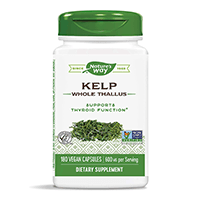
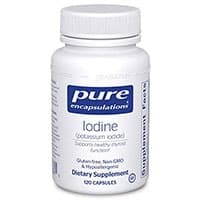
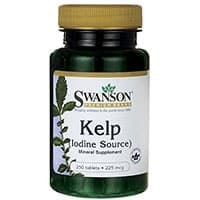
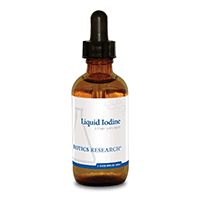
What iodine supplements are (potassium iodide drops, tablets, and the kelp variability problem)
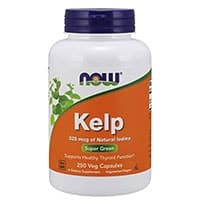
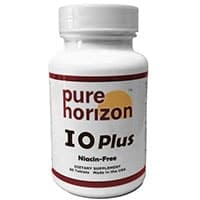
Iodine is a trace element required to make thyroid hormones. Supplements usually provide iodine as potassium iodide or as part of kelp and other seaweed concentrates. That distinction matters: standardized potassium iodide can be dosed more predictably than kelp products where iodine content can vary with species, harvest, processing, and sloppy labeling—exactly the kind of variability you do not want when a micronutrient can both correct deficiency and worsen thyroid dysfunction when pushed too high.
This page is educational, not medical advice. If you have hyperthyroidism, Hashimoto’s thyroiditis, postpartum thyroiditis, autonomous thyroid nodules, a history of iodine-induced hyperthyroidism, or you take thyroid hormone replacement and you are tempted to “optimize” iodine from forums, stop and involve an endocrinologist or primary clinician—iodine is not a harmless mineral spice in those contexts.
How to use this guide
The shortlist favors transparent microgram labeling (and honest warnings about variability), credible manufacturing and contaminant testing language (seaweed can carry heavy metals), and brands that do not sell iodine as a universal metabolism upgrade. The body below helps you choose predictable forms when appropriate, avoid stacking iodine across multis, prenatals, and kelp powders, and understand why “more iodine” is not a thyroid performance cheat code.
If you are shopping seaweed-derived iodine specifically, compare sourcing seriousness with our kelp supplements page—same neighborhood of supply-chain concerns, often the same buyer confusion about micrograms versus “organic ocean purity.” If pregnancy or planning is in the picture, read prenatal supplements as the category where iodine is often already included intentionally—double-counting across a prenatal, a thyroid stack, and a kelp capsule is a classic accidental megadose pattern. If your thyroid shopping cart includes antioxidant minerals, selenium supplements is a frequent co-topic in thyroid nutrition discussions—still not a license to stack minerals blindly, but a useful contrast for how single-nutrient stories get assembled online.
What to look for on an iodine label
Micrograms per serving, not poetic ocean branding
Iodine is measured in micrograms for a reason. If a label makes you hunt for the number, treat it as a penalty.
Kelp versus potassium iodide: predictability tradeoffs
Kelp can be fine when standardized and tested; it is risky when variability is high and marketing is loud. Potassium iodide products can still be mis-dosed by users—especially liquids—so measurement discipline matters.
Stacking across multivitamins, prenatals, and “thyroid support” blends
Iodine hides everywhere in fortified formulas. Totals across products are how people accidentally wander into excess intake.
Contaminants: heavy metals in seaweed
Third-party testing language matters more when the iodine story is literally harvested from the sea.
Liquid drops and accidental megadoses
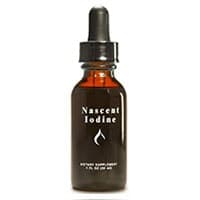
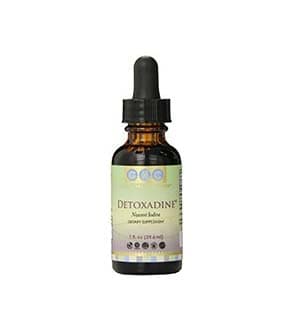
Drops feel gentle; concentrated liquids are easy to mis-measure. Treat dropper bottles like pharmacy tools, not seasoning.
Who iodine supplements may be appropriate for (and who should avoid self-supplementation)
Documented deficiency or clinician-directed replacement in pregnancy or specific geographies can make iodine supplementation appropriate. Hyperthyroid states, certain nodular thyroid conditions, and some autoimmune thyroid diseases can worsen with excess iodine exposure—individual, not internet-decidable.
Evidence expectations: deficiency correction versus “metabolism hacking”
Public health nutrition emphasizes iodine adequacy because deficiency has serious consequences; that fact is not the same as proving benefit from megadosing in already-replete people. A grounded stance is: match supplementation to documented need, not to fatigue vibes.
Mistakes people make with iodine
- Megadosing because “thyroid support” marketing sounds scientific.
- Stacking kelp, prenatal, and multivitamin iodine without totaling micrograms.
- Using iodine to self-treat palpitations instead of seeking urgent evaluation.
- Assuming natural seaweed is automatically safe from heavy metals and variability.
- Changing thyroid hormone dosing based on supplement experiments without labs.
Compare two iodine products in 60 seconds
- Step 1: iodine mcg per serving stated plainly?
- Step 2: kelp standardized or vague “ocean extract”?
- Step 3: contaminant testing language for seaweed sources?
- Step 4: liquid concentration understandable without calculus?
- Step 5: interaction humility on the label, not disease promises?
What to monitor in the first 2–4 weeks
Track anxiety, palpitations, tremor, heat intolerance, new neck fullness sensation, and sleep changes—symptoms that can overlap thyroid hormone excess or iodine-induced dysfunction. Stop and seek care for severe palpitations, chest pain, or fainting—do not “push through” with another drop.
FAQs
How much iodine should I take?
Public intake references exist, but individual medical context changes everything—especially pregnancy, lactation, thyroid disease, and concurrent supplements. If a clinician sets a target, follow it with monitoring rather than influencer ranges.
Can iodine help hypothyroidism?
Only when deficiency is the actual problem; if you have Hashimoto’s or are adequately replete, more iodine is not a universal fix and can be harmful. Thyroid hormone dosing is medical treatment, not a supplement swap.
Can iodine worsen hyperthyroidism?
Yes—iodine can be dangerous in hyperthyroid states and in certain autonomous nodule contexts. This is why unsupervised high-dose experimentation is reckless.
Is kelp a good iodine source?
It can be, when standardized and tested; it can also be inconsistent and contaminated when cheaply sourced. The label should earn trust with numbers and testing, not beach photography.
Can I take iodine with thyroid medication?
Some people do under medical supervision; others should not. This is endocrinology coordination, not a Reddit poll.
How long should I trial iodine?
If deficiency is not documented, many adults should not “trial” iodine at all—labs and clinician guidance beat guessing.
How we shortlist products on this page
We prioritize microgram transparency, seaweed contaminant testing credibility, conservative thyroid-risk framing, and brands that do not sell iodine as a metabolism cheat code. For how we evaluate products across the site, read our methodology.
Bottom line
Iodine is life-or-death important at population scale and individually dangerous when treated like a biohacker dial. The best purchase is predictable dosing, credible testing when seaweed is involved, and medical context when thyroid disease, pregnancy, or polypharmacy exists.
If your neck is enlarging, your heart is racing, or your energy swings are new and severe, medical evaluation beats another dropper bottle.