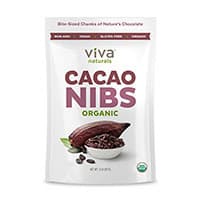
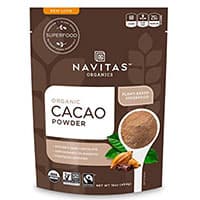
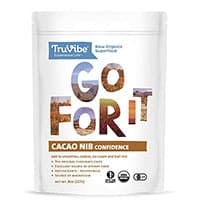
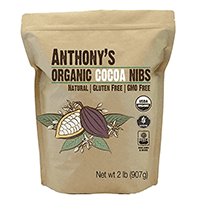
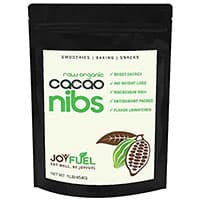
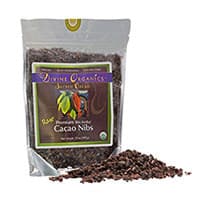
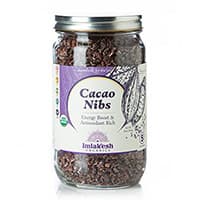
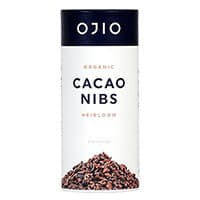
What cacao nibs are (and why they are not “chocolate chips with a rebrand”)
Cacao nibs are crushed pieces of fermented, dried cacao bean—essentially chocolate before sugar and extra cocoa butter turn it into a candy bar. Nibs usually taste bitter, a little earthy, and sometimes winey depending on origin and roast level. They also deliver theobromine (a milder stimulant cousin to caffeine), a small amount of caffeine, fiber, fat, and minerals people associate with cacao like magnesium and iron—though you should treat nibs as a food first, not a multivitamin replacement.
The shopping problem is quality and safety reality, not vibes: cacao can carry heavy metal variability (cadmium is the usual consumer-lab conversation), supply chains differ, and “raw” marketing does not automatically mean cleaner. The best nibs are the ones with transparent sourcing, sensible testing claims, and flavor you will actually eat consistently.
This guide is educational, not medical advice. If you are sensitive to caffeine or theobromine, have reflux, take stimulant-sensitive medications, or are pregnant and monitoring caffeine intake, choose portions and timing with clinician guidance.
How to use this guide
The ranked list helps you compare nibs on flavor style (roast, origin), texture (uniform crunch versus dusty fines), packaging freshness, and whether brands treat heavy metals as a serious specification—not a footnote. The body below helps you match nibs to a realistic routine: yogurt topping, smoothie add-in, baking inclusion, or trail mix—without buying a five-pound bag you will not finish while oils oxidize.
If you are shopping “antioxidant-forward” pantry add-ons, acai is a useful contrast for how berry powders hide sugar loads while nibs usually do not—different category, same label-reading muscle. If you want seed-style fats and crunch without chocolate bitterness, compare habits with hemp hearts as a pantry parallel. If your real goal is magnesium repletion as a supplement strategy, nibs are a snack—not a dose-controlled tool—so see magnesium supplements for form-and-elemental-math shopping.
What to look for when buying cacao nibs
Origin, roast level, and flavor intent
Origin statements are not just romance—they predict bitterness, fruit notes, and acidity. If you dislike sharp bitterness, look for brands that describe roast level and intended use (snacking versus baking).
“Raw” versus roasted: pick for taste and digestion, not mystique
Raw-style nibs can taste more acidic; roasting mellows flavor for some people. Choose based on what you will eat, not based on which word sounds healthier on Instagram.
Heavy metals and testing transparency
Cacao’s cadmium conversation is a legitimate reason to prefer brands that publish testing philosophy or third-party programs with real scope. No pantry food is “zero risk,” but serious brands treat this as QA, not denial.
Texture: uniform nibs versus fines
Dusty bags can feel gritty in yogurt and clump in storage. If texture matters to you, consistency is part of quality.
Packaging, date codes, and fat freshness
Cacao fat can go stale. Opaque bags, resealable closures, and clear dates matter—especially if you buy bulk.
Added ingredients
Pure nibs should be… cacao. If you see sugar, “natural flavors,” or coatings, you are buying a different product category—fine if intended, confusing if not.
Who cacao nibs are a fit for (and who should be careful)
Often a great fit when
- You want a low-sugar chocolate flavor route for yogurt, oats, or baking.
- You tolerate bitter foods and want crunch without candy-level sweetness.
- You can store them sealed and use them before they go flat.
Use extra caution when
- GERD or migraine triggers tied to chocolate or caffeine metabolites.
- Pediatric caffeine sensitivity (kids and small bodies).
- Pets in the house: chocolate toxicity risk for dogs is a real household safety issue with cacao products.
Compare two cacao nib products in 60 seconds
- Step 1: Single ingredient cacao—or sneaky add-ins?
- Step 2: Origin and roast description matches your taste preference?
- Step 3: Date code freshness and resealable packaging?
- Step 4: Testing transparency language that means something?
- Step 5: Price per pound versus texture consistency you care about?
Common mistakes that waste money
- Buying bulk “for savings” then storing open air until stale.
- Expecting candy sweetness and abandoning nibs after one bite.
- Ignoring caffeine/theobromine timing and blaming “mystery insomnia.”
- Treating nibs as a magnesium cure while skipping real deficiency evaluation.
- Leaving bags where pets can reach them.
What to monitor in the first 1–2 weeks
Track reflux symptoms, sleep if you eat nibs late, headache patterns if you are migraine-sensitive, and GI tolerance if fiber and fat increased quickly. Food changes fail most often because adherence is unrealistic—pick a serving size you can repeat.
FAQs
Are cacao nibs healthy?
They can be a useful low-sugar whole-food add-on for many people, but “healthy” depends on portion, your GI tolerance, and what they replace (candy versus plain yogurt). They are not automatically superior to every other whole food.
How much caffeine is in cacao nibs?
It varies by bean and portion, but nibs are not caffeine-free. If you are sensitive, treat evening portions like a deliberate choice.
What is theobromine?
A stimulant alkaloid in cacao that contributes to the subjective “lift” some people feel. It is not identical to caffeine, but it still matters for timing and sensitivity.
Do cacao nibs have heavy metals?
Cacao can accumulate cadmium depending on soil and sourcing. Serious brands address this with testing and sourcing strategy; treat silence as a weak signal.
Cacao nibs vs cocoa powder—what is the difference?
Nibs are crushed bean pieces; cocoa powder is processed differently for baking and drinking. Texture and recipe behavior differ; choose based on culinary use.
Can I bake with nibs?
Yes—cookies, muffins, granola— but expect bitterness unless your recipe balances sweetness intentionally.
How we shortlist products on this page
We prioritize flavor consistency, clean ingredient lists, packaging freshness, sourcing credibility, and brands that treat contaminant testing as adult responsibility—not denial marketing. For how we evaluate products across categories, read our methodology.
Bottom line
Cacao nibs are a pantry ingredient for people who want chocolate complexity without turning breakfast into dessert. The best buys are usually fresh, well-packaged, single-ingredient nibs from brands that take sourcing and testing seriously—plus a realistic plan to actually eat them before they go dull.
If you want stimulant-free evenings, watch timing and portion. If you want magnesium therapy, use magnesium products with measurable dosing—do not reverse-engineer medicine from nibble amounts.